
Why That “Seed” in Your Foot Isn’t Just a Splinter
Understanding Plantar Warts: The “Seed” in Your Foot
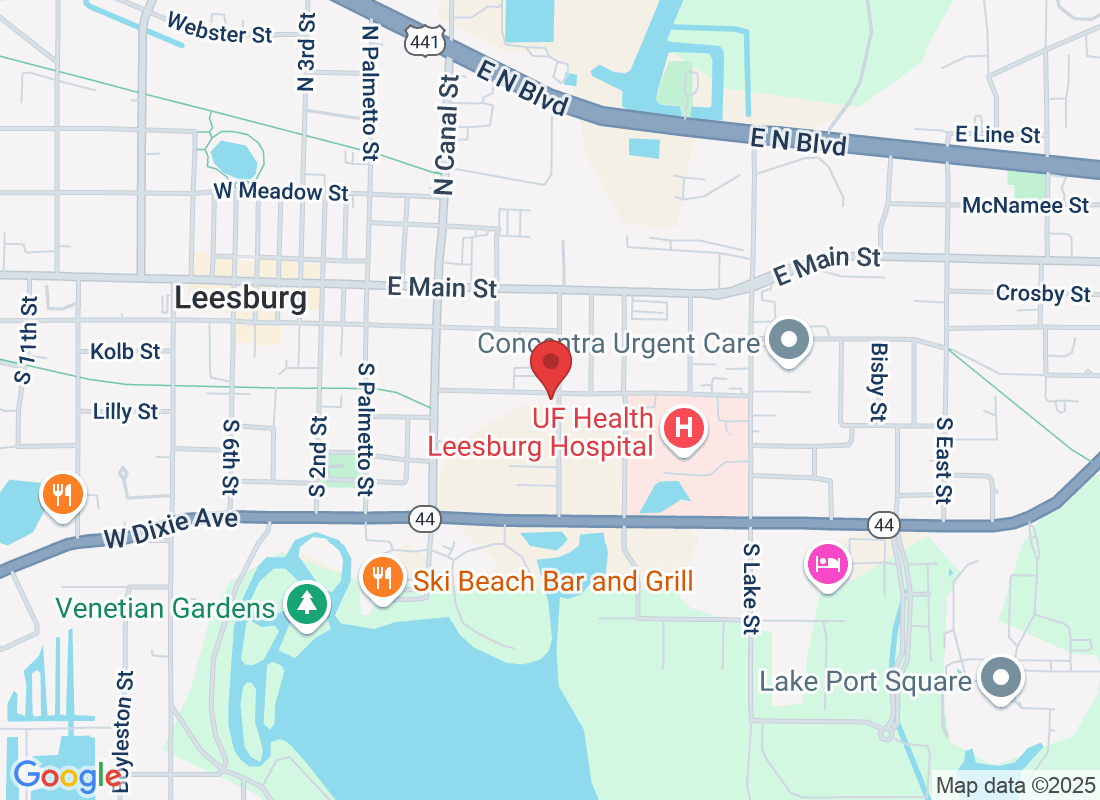
If you've recently discovered a small, round, seed-like bump on the bottom of your foot, you might be wondering if it's just a splinter. However, at Center for Ankle and Foot Care in Clermont and Leesburg, Florida, we want to assure you that this bump is likely a plantar wart. Understanding what it is and how to treat it is crucial for better foot health.
What Causes a Plantar Wart?
Plantar warts are caused by the human papillomavirus (HPV). This virus can penetrate the skin through tiny cuts or abrasions. Once inside, HPV can cause skin cells to grow rapidly, leading to the development of a wart. Factors that may increase your risk include:
- Having frequent foot injuries
- Walking barefoot in public pools or gym showers
- Weak immune system
How Can I Identify a Plantar Wart?
Distinguishing a plantar wart from other foot conditions, such as calluses or corns, is crucial. Key characteristics include:
- Rough, grainy texture
- Small black dots (clotted blood vessels) in the center
- Pain or tenderness when pressure is applied
Unlike calluses, which develop on bony areas for protection, plantar warts can cause discomfort due to their location on weight-bearing areas of the foot.
How is a Plantar Wart Diagnosed?
At the Center for Ankle and Foot Care, our podiatrists will perform a physical examination and may ask about your medical history and any symptoms you're experiencing. In some cases, a biopsy may be required to confirm the diagnosis.
What are the Treatment Options?
If you’ve been diagnosed with a plantar wart, various treatment options are available:
- Over-the-Counter Treatments: Salicylic acid is commonly used and available in numerous forms like gels, pads, and liquids. This treatment may take several weeks to show results.
- Prescription Treatments: If OTC options fail, we may recommend stronger topical medications.
- Cryotherapy: This procedure involves freezing the wart with liquid nitrogen, causing it to fall off over time.
- Laser Treatment: A more advanced option, suitable for persistent warts, involves using lasers to destroy the wart tissue.
- Surgical Removal: In severe cases, surgical intervention may be necessary to excise the wart.
How Can I Prevent Plantar Warts?
Preventing plantar warts is often easier than treating them. Here are practical steps you can take:
- Avoid walking barefoot in public spaces
- Keep your feet clean and dry
- Wear moisture-wicking socks
- Avoid sharing footwear
When Should I See a Podiatrist?
If you notice a growth on your foot that is painful, changing in appearance, or persisting despite treatment, we recommend scheduling an appointment at the Center for Ankle and Foot Care. Early intervention can help prevent complications and further discomfort.
What are the Complications of Untreated Plantar Warts?
Leaving plantar warts untreated can lead to complications such as:
- Increased pain and discomfort
- The spread of warts to other parts of the foot or body
- Secondary infections caused by scratching or picking
It’s essential to address foot health issues promptly to avoid further complications.
Frequently Asked Questions (FAQ)
- Are plantar warts contagious? Yes, they can spread through direct contact with the virus or through shared surfaces.
- Can I treat a plantar wart at home? Yes, but effective treatment may vary. It is advisable to consult a podiatrist for proper guidance.
- Will plantar warts go away on their own? Some warts may resolve spontaneously; however, many require treatment to alleviate pain and prevent spreading.
- Can plantar warts return after treatment? Yes, even after successful treatment, there is a possibility of recurrence.
- Is it safe to remove a plantar wart at home? DIY removal is not recommended as it can lead to infections or complications; professional assessment is preferred.
Conclusion
Understanding that the “seed” in your foot isn’t just a splinter is crucial for effective treatment and recovery. If you're experiencing discomfort or notice a growth on your foot, the experts at Center for Ankle and Foot Care in Clermont and Leesburg, Florida, are here to help. With tailored treatment options and preventive advice, we can assist you in achieving optimal foot health.
Don’t wait to seek care! You can schedule your appointment by clicking here.