Why Your Orthotics Might Not Be Helping Heel Pain in Leesburg
Introduction
If you're experiencing heel pain and have been using orthotics but haven't seen improvement, you're not alone. Many patients at the Center for Ankle and Foot Care in Clermont and Leesburg, Florida, share similar concerns. Understanding why orthotics might not be alleviating your heel pain can help guide your treatment plan. In this blog post, we’ll explore the potential reasons for your discomfort and the steps you can take to find relief.
What Causes Heel Pain?
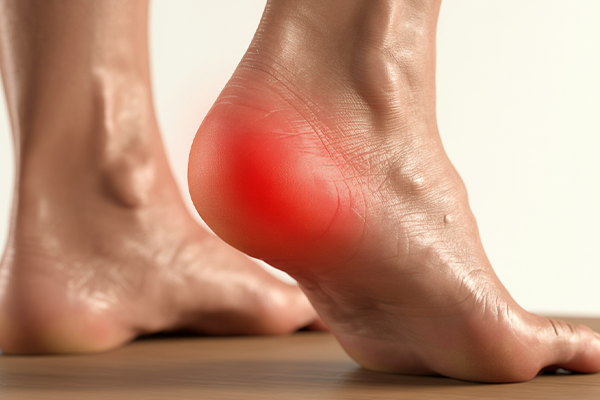
Heel pain is a common complaint and can stem from various conditions. The most prevalent causes include:
- Plantar Fasciitis: Inflammation of the plantar fascia, a thick band of tissue that runs across the bottom of your foot.
- Achilles Tendinitis: Inflammation of the Achilles tendon, often due to overuse or strain.
- Heel Spurs: Bony growths on the underside of the heel bone usually associated with plantar fasciitis.
- Bursitis: Inflammation of the bursa, a small fluid-filled sac that reduces friction around joints.
- Stress Fractures: Small cracks in the heel bone that can occur due to overuse or high-impact activities.
Are Your Orthotics Correctly Designed?
One of the primary reasons orthotics may not be effective is that they may not be designed specifically for your needs. Custom orthotics are created based on a thorough evaluation of your foot structure, gait, and specific pain points. Off-the-shelf orthotics often fail to address these unique variables.
How Do Orthotics Work?
Orthotics serve to realign the foot and distribute pressure evenly across the foot during standing or walking. When customized correctly, they can alleviate pain by:
- Reducing excessive pronation (inward rolling of the foot).
- Providing arch support that is tailored to your foot's anatomical structure.
- Absorbing shock and reducing strain on sensitive areas of the foot.
Common Issues with Orthotics
Here are several reasons why your orthotics may not be helping with your heel pain:
- Improper Fit: If your orthotics do not fit well, they may cause more harm than good.
- Wrong Material: The material used in your orthotics may not provide adequate support or cushioning for your condition.
- Inadequate Time for Adaptation: Sometimes, it takes time for your body to adjust to new orthotics, and early discomfort is common.
- Underlying Issues: If the root cause of your heel pain is not addressed, orthotics alone may not provide the relief you need.
How Can I Treat Heel Pain Effectively?
Effective treatment for heel pain may require a multifaceted approach that goes beyond the use of orthotics. Consider the following options:
- Physical Therapy: Engaging in targeted exercises to stretch and strengthen the muscles and tendons in your feet can be highly beneficial.
- Ice Therapy: Applying ice to the affected area can help reduce swelling and alleviate pain.
- NSAIDs: Nonsteroidal anti-inflammatory drugs such as ibuprofen can help manage pain and inflammation.
- Footwear Modifications: Wearing supportive shoes with adequate cushioning and arch support can significantly impact your comfort.
- Professional Assessments: Regular follow-ups with your podiatrist ensure your orthotics and overall treatment plan are effective.
When to Seek Professional Help
If your heel pain persists despite using orthotics, it's crucial to consult with a foot specialist. At the Center for Ankle and Foot Care in Clermont and Leesburg, Florida, we can provide comprehensive evaluations to determine the underlying causes of your pain and the most effective treatment options tailored to your needs.
FAQs About Orthotics and Heel Pain
- Q: How long does it take to feel relief from orthotics?
A: Many patients notice improvement within a few weeks, but it may take longer based on the severity of the condition. - Q: Can I use over-the-counter orthotics instead of custom ones?
A: While some individuals benefit from over-the-counter options, custom orthotics are typically more effective for specific conditions. - Q: Are there any exercises that can relieve heel pain?
A: Yes, stretching the Achilles tendon and calf muscles, along with strengthening exercises for the foot, can help reduce pain. - Q: How do I know if my orthotics need to be replaced?
A: Signs like visible wear and tear, increased pain, or a change in foot structure suggest that it may be time for a replacement. - Q: Is surgery an option for heel pain?
A: Surgery is generally a last resort after conservative treatments have been exhausted, including physical therapy and orthotic use.
Conclusion
Understanding why your orthotics may not be relieving heel pain is the first step toward finding an effective treatment. If you are struggling with persistent heel pain, the Center for Ankle and Foot Care in Clermont and Leesburg, Florida, offers expert diagnostic and treatment options tailored to your specific needs. Don't suffer in silence—book your appointment today and take the first step towards a pain-free life.