
Why Are My Feet Getting Wider as I Get Older?
Why Are My Feet Getting Wider as I Get Older?
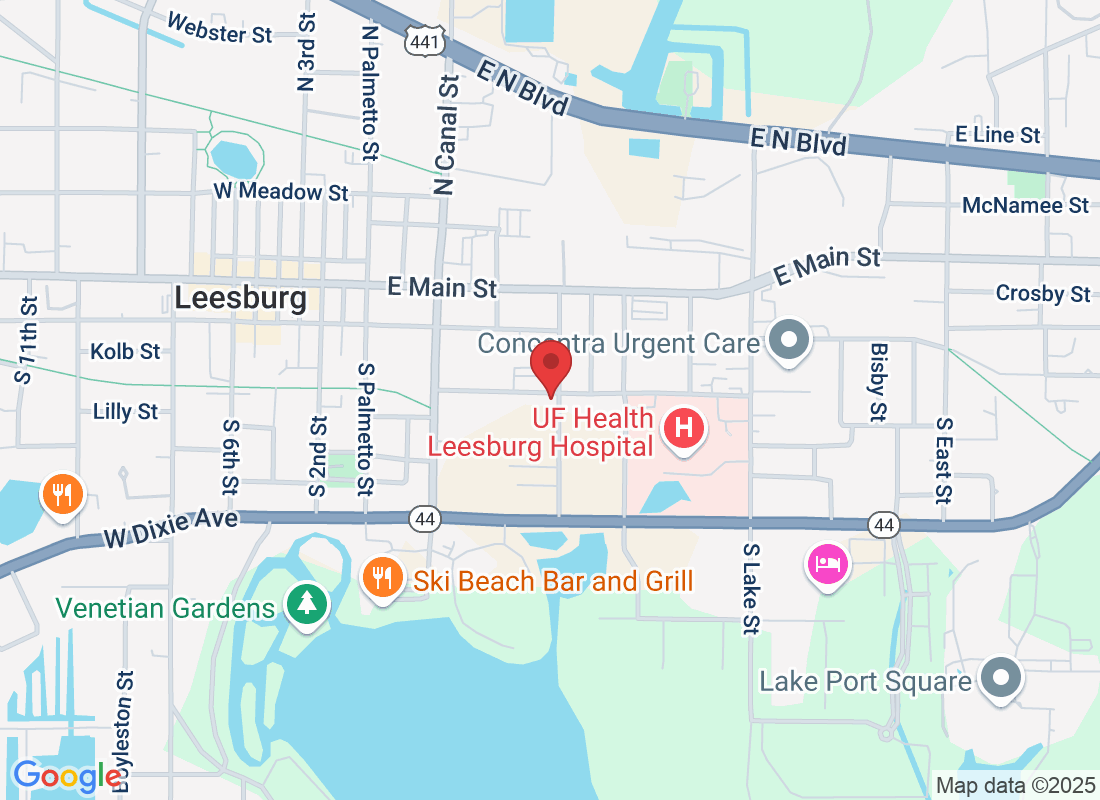
As we age, many people notice changes in their bodies, including their feet. At the Center for Ankle and Foot Care in Clermont and Leesburg, Florida, we understand that noticing your feet getting wider can be surprising and, at times, concerning. In this blog post, we will discuss the common reasons behind this phenomenon, related foot conditions, and practical advice on managing these changes.
What Causes Feet to Widen with Age?
Several physiological changes occur in our feet as we age that can lead to an increase in foot width. Here are some of the primary factors:
- Fat Pad Atrophy: The natural cushioning in our feet decreases over time, causing the bones to come closer to the surface and potentially leading to a broader appearance.
- Ligament Laxity: With age, ligaments that support the foot may become looser, making the foot more prone to flattening and widening.
- Weight Gain: Increased weight affects your foot structure, which can lead to a wider foot shape due to added pressure on the plantar fascia and overall foot structure.
- Changes in Bone Structure: Conditions like osteoarthritis can lead to deformities such as bunions or hammer toes that contribute to changes in foot width.
- Genetic Factors: Some individuals may inherit a predisposition to wider feet, which may become more prominent with age.
How Do Foot Conditions Affect Width?
Several specific foot conditions can exacerbate the issue of widening feet:
- Bunions: These bony bumps at the base of the big toe can cause the toe to shift and the foot to widen.
- Flat Feet: Fallen arches can lead to a spreading of the foot.
- Diabetes: Poor circulation and nerve damage can lead to various foot deformities.
It is important to differentiate between normal age-related changes and conditions that may require treatment. If you're experiencing pain or discomfort along with widening, consult a podiatrist.
How Can I Treat My Widening Feet?
There are several strategies you can employ to manage the effects of widening feet:
- Proper Footwear: Choose shoes that accommodate your foot shape without causing pressure. Look for styles that provide ample width and arch support.
- Orthotics: Custom orthotics can help redistribute weight across the foot and provide necessary support.
- Weight Management: Maintaining a healthy weight can help decrease pressure on your feet and improve overall foot health.
- Regular Foot Exercises: Stretching and strengthening exercises can improve foot flexibility and strength, potentially helping to maintain your foot structure.
- Consultation with a Podiatrist: Regular check-ups with professionals at the Center for Ankle and Foot Care can help monitor foot health and address issues proactively.
When Should I See a Doctor?
If you're experiencing significant discomfort, pain, or other concerning symptoms alongside the widening of your feet, it is crucial to seek professional help. Signs to watch for include:
- Persistent pain in the feet or ankles
- Swelling or inflammation
- Changes in skin color or temperature
- New growths or abnormalities
Our team at the Center for Ankle and Foot Care specializes in diagnosing and treating various foot conditions. We are here to ensure you remain comfortable on your feet as you age.
FAQs About Widening Feet
1. Can wider feet be a sign of a serious condition?
While widening feet can be a normal part of aging, sudden changes may indicate underlying conditions. It's best to consult a podiatrist if you notice significant changes.
2. Will my feet keep getting wider as I age?
Many individuals experience foot width changes with age, but the extent varies. Addressing risk factors like weight and choosing appropriate footwear can help manage the problem.
3. What types of shoes are best for wider feet?
Shoes with a wider toe box, good arch support, and cushioning are ideal. Look for brands that offer specific styles for wider feet.
4. Can exercises help with wider feet?
Yes! Specific foot and ankle exercises can help strengthen muscles and improve flexibility, which may aid in managing foot width.
5. How can orthotics help with wider feet?
Custom orthotics can improve alignment, redistribute pressure, and reduce discomfort associated with widening feet, offering much-needed support.
Conclusion
If you’ve noticed that your feet are getting wider as you age, it’s important to understand the various factors at play and what steps you can take to manage this change. At the Center for Ankle and Foot Care in Clermont and Leesburg, Florida, we are dedicated to providing personalized care and treatment options to ensure your feet remain healthy and pain-free. If you have concerns about your foot health, book an appointment with us today.