
What’s That Bump on Your Toe? Leesburg Podiatrists Answer
Understanding Bumps on Your Toe
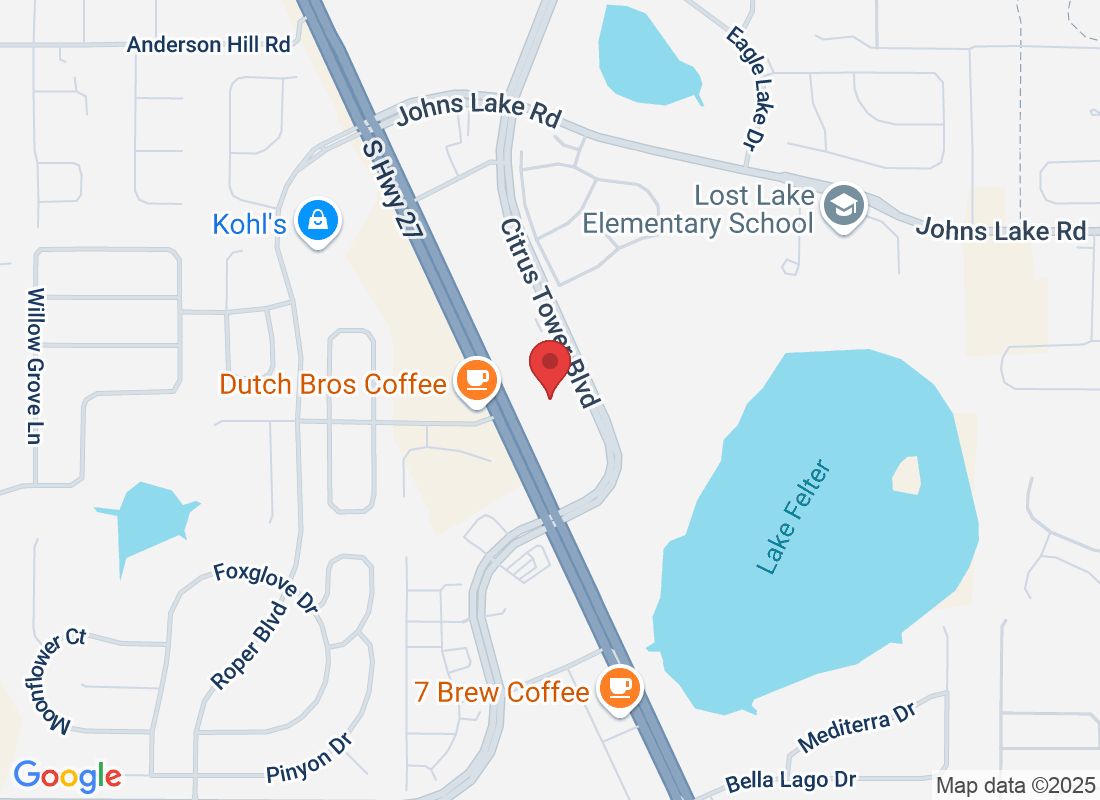
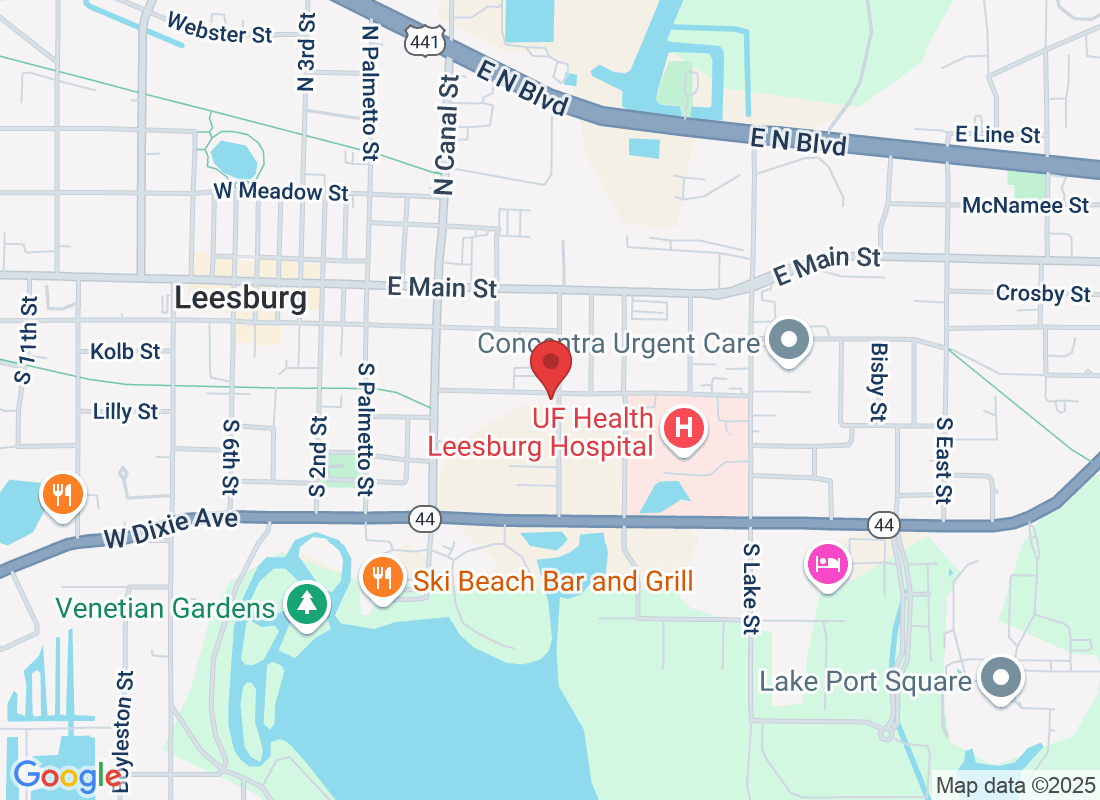
If you've noticed a bump on your toe, you might be wondering what it is and whether it requires medical attention. At the Center for Ankle and Foot Care, located in Clermont and Leesburg, Florida, our experienced podiatrists are here to provide insight into potential causes, symptoms, and treatment options for toe bumps.
What Causes Bumps on Your Toe?
Several conditions can lead to the formation of a bump on the toe. Here are some common culprits:
- Corns: These are thickened areas of skin that develop due to friction and pressure, often on the tops or sides of toes.
- Calluses: Similar to corns, calluses can form on the soles of the feet or on the heels, but they result from prolonged pressure and frequently appear on weight-bearing areas.
- Bunions: A bunion is a bony bump at the base of the big toe caused by misalignment of the toe joint. This often makes the big toe angle towards the second toe.
- Infections: Sometimes, a bump can indicate an infection, such as a wart or an ingrown toenail, where the nail grows into the surrounding skin.
- Lisfranc Injury: While not as common, a Lisfranc injury can cause swelling and pain in the midfoot area but might be mistaken as a bump on the toe.
How Can I Identify the Type of Bump?
Identifying the type of bump requires a careful evaluation of the following:
- Location of the bump
- Size and shape
- Presence of pain or discomfort
- Changes in skin color or texture
- Duration of the bump's presence
Observing these characteristics can help guide your discussion with a healthcare professional at the Center for Ankle and Foot Care.
How Can I Treat Bumps on My Toe?
Treatment options for toe bumps vary based on the underlying cause:
- Over-the-Counter Treatments: For corns and calluses, using moisturizing creams or pads can alleviate discomfort. Nonsteroidal anti-inflammatory drugs (NSAIDs) can help manage pain.
- Orthotic Devices: Custom orthotics can relieve pressure on bunions and prevent further irritation.
- Minor Surgical Procedures: In cases of severe bunions, ingrown toenails, or persistent warts, your podiatrist may recommend a minor surgical procedure.
- Preventive Measures: Wearing well-fitted footwear, maintaining proper foot hygiene, and avoiding prolonged periods of pressure can help prevent the recurrence of bumps.
When Should I See a Podiatrist?
It’s critical to seek medical advice if you notice:
- A bump that is painful or growing.
- Signs of infection, such as redness, warmth, or pus.
- Difficulties with mobility or walking.
- Persistent bumps that do not respond to home treatments.
At the Center for Ankle and Foot Care, our expert podiatrists will conduct a thorough examination and recommend appropriate treatment tailored to your needs.
Frequently Asked Questions (FAQ)
1. What is the best way to prevent corns and calluses?
Wearing well-fitted shoes, using foot pads, and maintaining foot hygiene are essential preventive measures.
2. Can I treat a bunion at home?
While home treatments can provide temporary relief, persistent bunions often require professional evaluation and might benefit from surgical intervention.
3. How do I know if my bump is infected?
Signs of infection include increased redness, warmth, swelling, and pus drainage. If you notice these symptoms, consult a podiatrist promptly.
4. Are toe bumps a sign of serious health issues?
While many toe bumps are benign, certain conditions like gout or systemic infections can indicate more serious health issues. A professional assessment is crucial for accurate diagnosis.
5. What should I do if my bump is painful?
If you experience persistent pain, it’s advisable to schedule an appointment with a podiatrist to determine the underlying cause and appropriate treatment.
Conclusion
Finding a bump on your toe can be concerning, but understanding the various causes and treatment options is essential for your foot health. At the Center for Ankle and Foot Care in Clermont and Leesburg, Florida, our dedicated team is ready to assist you in diagnosing and treating any foot conditions you may have. Don’t let foot pain keep you from enjoying your daily activities—book an appointment today and take the first step toward healthier feet!