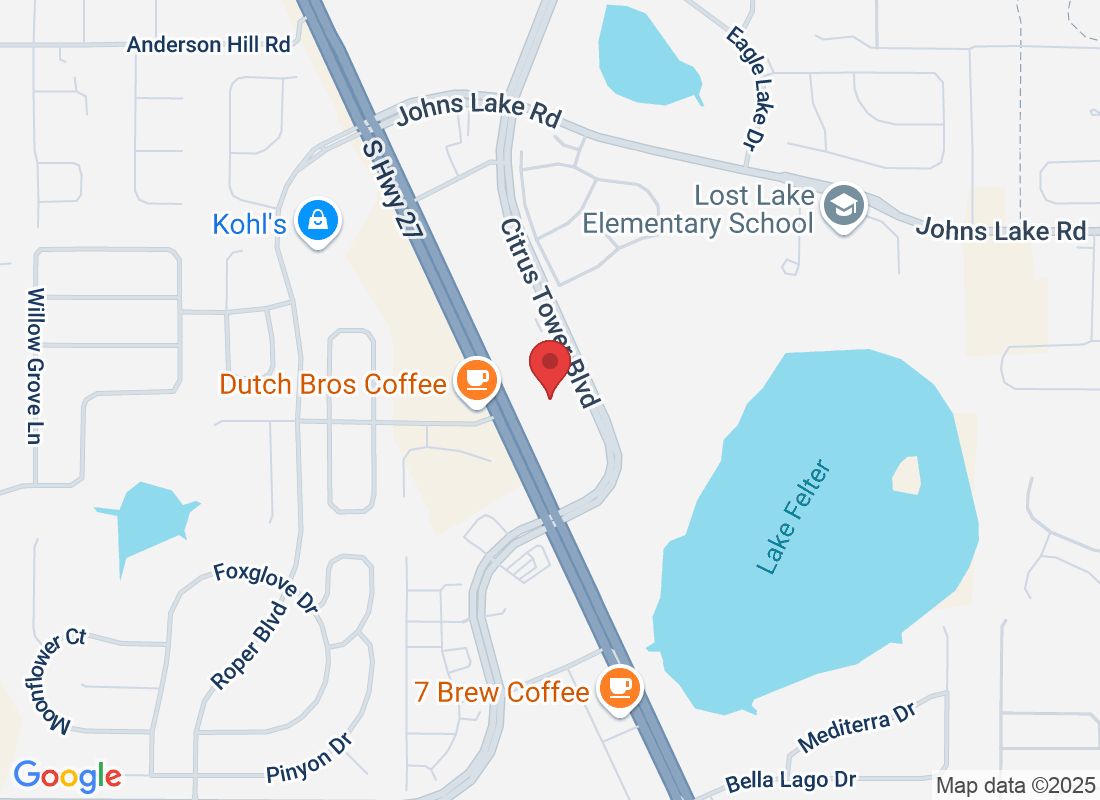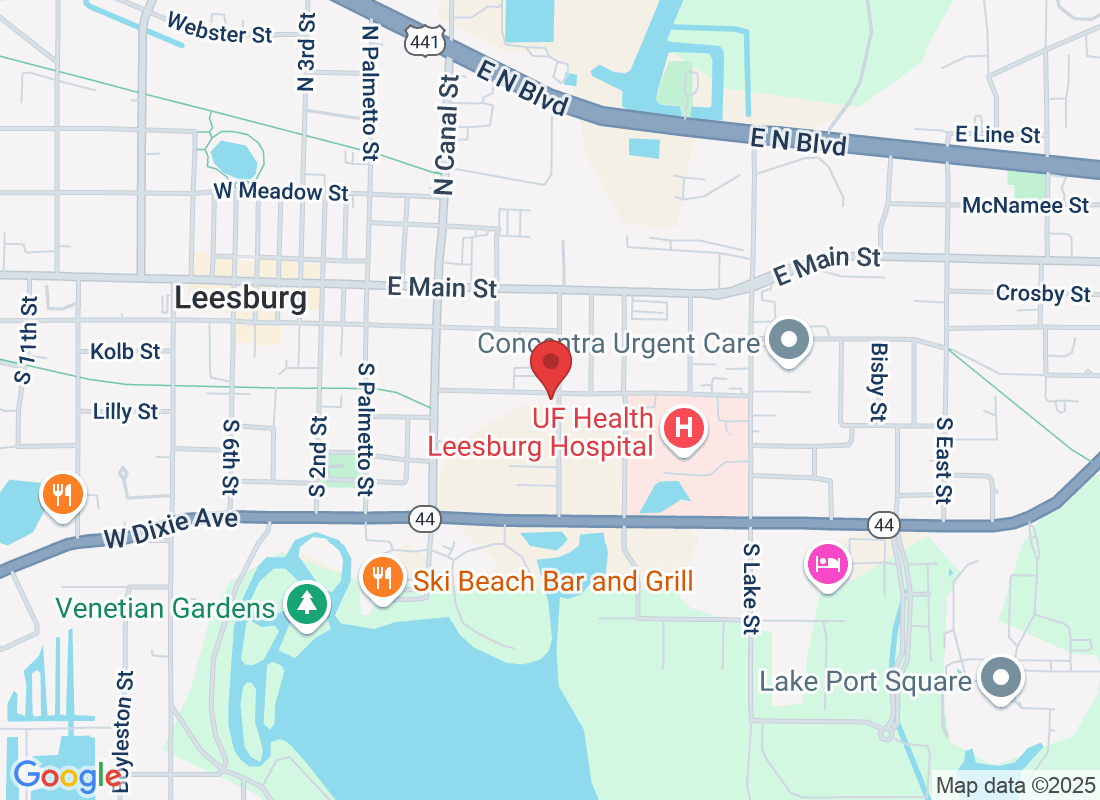

Toenail Treatments in Clermont and Leesburg
Understanding Toenail Treatments in Clermont and Leesburg
At the Center for Ankle and Foot Care, we are dedicated to providing comprehensive and effective toenail treatments for residents of Clermont and Leesburg, Florida. Toenail issues can affect your quality of life, causing discomfort and preventing you from enjoying daily activities. Here, we will explore common toenail conditions, their causes, and the available treatment options.
What Causes Toenail Problems?
Toenail problems can arise from various factors, including:
- Infections: Fungal infections, such as onychomycosis, are prevalent and can cause toenails to become thick, discolored, and brittle.
- Trauma: Injuries to the toenail, whether from improper footwear or physical activities, can lead to ingrown toenails or nail detachment.
- Skin Conditions: Conditions like psoriasis and eczema can affect the nails, leading to changes in growth and appearance.
- Poor Hygiene: Inadequate care can lead to a buildup of debris under the nail, contributing to inflammation and infection.
How Can I Treat Fungal Toenail Infections?
Fungal toenail infections are common and can be persistent. Treatment options include:
- Topical Antifungal Medications: Over-the-counter or prescription creams and lacquers can help treat mild infections.
- Oral Antifungal Medications: For severe or recurrent infections, oral medications may be necessary to eliminate the fungus from within.
- Laser Treatment: Laser therapy can target and eradicate fungal spores without harming the surrounding tissue.
Our providers can recommend the most effective treatment based on the severity of the infection and your overall health.
What Are Ingrown Toenails, and How Can They Be Treated?
Ingrown toenails occur when the edge of a toenail grows into the surrounding skin, causing pain, redness, and swelling. Treatment options include:
- At-Home Care: Soaking the foot and wearing open-toed shoes can alleviate pressure and discomfort.
- Partial Nail Removal: If the ingrown toenail is severe and recurrent, a podiatrist may perform a minor outpatient procedure to remove the problematic portion of the nail.
- Nail Bracing: In less severe cases, a specialized bracing system can be applied to encourage proper nail growth without surgery.
How Do I Care for My Toenails to Prevent Problems?
Preventive care is vital for maintaining healthy toenails. Here are essential tips:
- Maintain Proper Hygiene: Regularly wash and dry your feet thoroughly, paying special attention to the spaces between your toes.
- Choose Appropriate Footwear: Wear shoes that fit well and provide ample room for your toes to avoid trauma and ingrown nails.
- Regular Nail Trimming: Trim your toenails straight across and avoid cutting them too short to minimize the risk of ingrown nails.
- Avoid Walking Barefoot: Protect your feet from fungi and injuries, especially in communal areas like pools and gyms.
When Should I See a Podiatrist?
If you experience persistent toenail issues, consider scheduling an appointment with a podiatrist. Signs that warrant professional attention include:
- Severe pain or discomfort.
- Signs of infection, such as increased redness, warmth, or discharge.
- Pooling of fluid under the nail or nail separation.
- Persistent fungal infections that do not respond to over-the-counter treatments.
FAQ: Common Questions About Toenail Treatments
1. What is onychomycosis?
Onychomycosis is a fungal infection of the toenails that leads to discoloration, thickening, and possible nail detachment.
2. Can ingrown toenails heal on their own?
In some cases, ingrown toenails may heal with proper care, but persistent issues usually require professional treatment.
3. Are there home remedies for toenail fungus?
Some home remedies, such as vinegar soaks, may help; however, they are not a substitute for professional care, especially for severe infections.
4. How long does toenail fungus treatment take?
Treatment duration can vary from weeks to months, depending on the method used and the severity of the infection.
5. Is toenail fungus contagious?
Yes, toenail fungus can spread through direct contact or contaminated surfaces, making it important to practice foot hygiene.
Book Your Appointment Today!
At the Center for Ankle and Foot Care in Clermont and Leesburg, Florida, we are committed to providing high-quality toenail care to improve your foot health. If you are experiencing toenail issues or wish to learn more about treatment options, book an appointment today. Our experienced team is here to help you achieve healthier nails and feet!