
Structural Causes of Ingrown Toenails
Understanding the Structural Causes of Ingrown Toenails
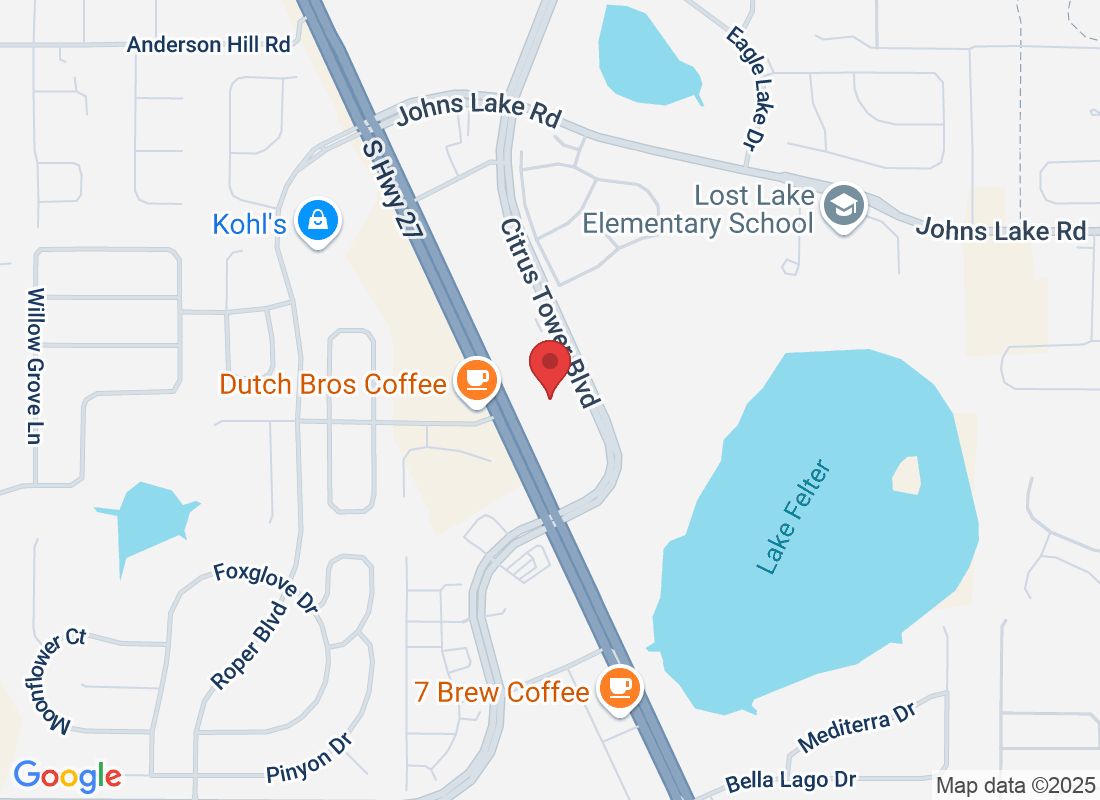
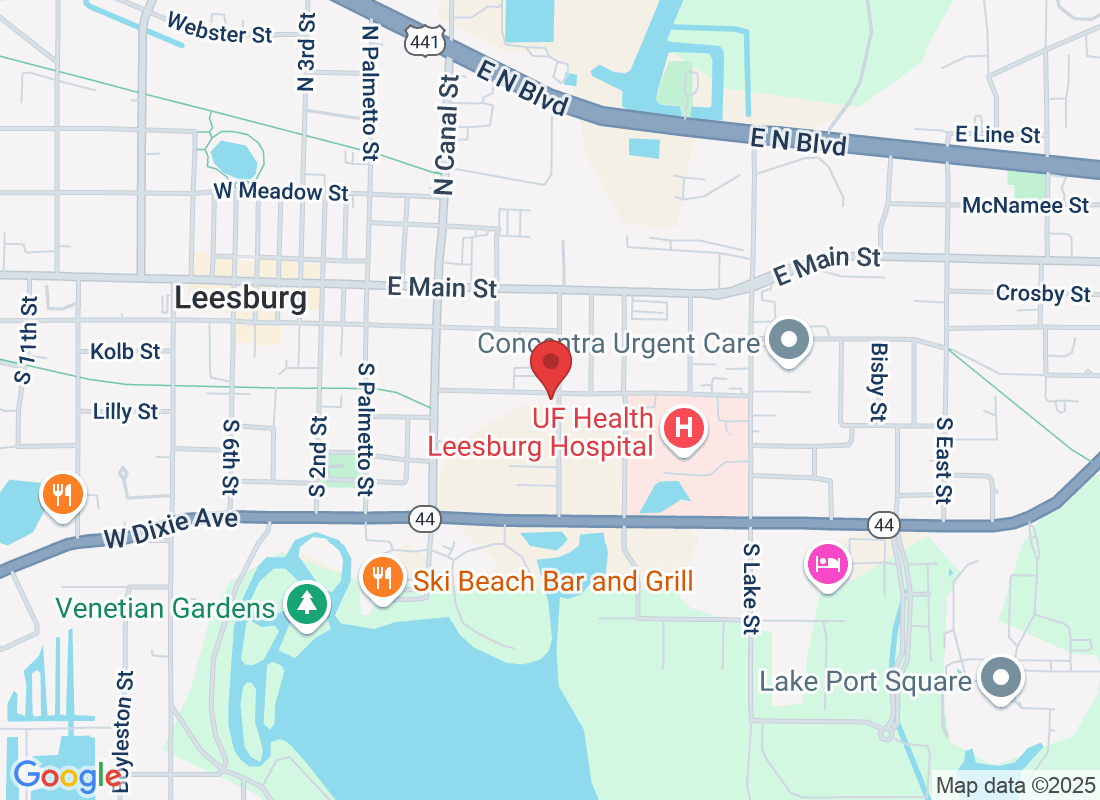
Ingrown toenails, medically known as onychocryptosis, occur when the edges of the toenail grow into the surrounding skin. This condition can lead to pain, inflammation, and even infection. At the Center for Ankle and Foot Care in Clermont and Leesburg, Florida, we aim to provide comprehensive insights on ingrown toenails, especially focusing on their structural causes.
What Causes Ingrown Toenails?
Several anatomical and structural factors can contribute to the development of ingrown toenails:
- Genetics: Individuals may inherit foot and nail shapes that predispose them to ingrown toenails.
- Improper Nail Trimming: Cutting nails too short or rounding the edges can encourage ingrowth.
- Nail Curvature: Naturally curved nails are more likely to dig into the skin.
- Footwear: Tight or ill-fitting shoes can restrict nail growth and lead to ingrowth.
- Injury: Trauma to the toe can disturb normal nail growth and lead to ingrown nails.
How Do Structural Anomalies Contribute?
Structural anomalies in the toes can significantly increase the risk of developing ingrown toenails. This may include:
- Hyperhidrosis: Excessive sweating can lead to maceration of the skin, which makes it more susceptible to developing ingrown nails.
- Bone Deformities: Conditions such as bunions or hammertoes can shift toe alignment and create pressure that exacerbates nail ingrowth.
- Nail Thickness: Thickened nails, as seen in fungal infections, may not grow properly and can dig into the surrounding tissue.
What Are Common Symptoms of Ingrown Toenails?
If you have an ingrown toenail, you may experience:
- Pain and tenderness along the side of the toe.
- Redness and swelling surrounding the nail.
- Discharge of pus, which may indicate infection.
How Can I Treat Ingrown Toenails?
There are various treatment options available, ranging from at-home remedies to professional medical interventions:
- Home Care: Soaking the foot in warm, soapy water can reduce swelling and pain. Applying antibacterial ointment may prevent infection.
- Podiatric Intervention: If symptoms persist or worsen, a podiatrist can safely lift the nail edge and relieve pressure.
- Partial Nail Avulsion: In chronic cases, surgical removal of a portion of the nail may be necessary to prevent recurrence.
How to Prevent Ingrown Toenails?
Preventing ingrown toenails involves simple yet effective strategies:
- Trim toenails straight across; avoid rounded edges.
- Choose shoes with a proper fit, allowing enough space for the toes.
- Maintain proper foot hygiene to keep the environment clean and dry.
When Should I See a Podiatrist?
If you experience persistent pain, redness, or swelling, it is crucial to consult a foot specialist. Delaying treatment can lead to complications, such as severe infections or abscess formation. The Center for Ankle and Foot Care in Clermont and Leesburg, Florida, offers expert podiatric services to help manage and treat ingrown toenails effectively.
FAQ
1. Can ingrown toenails be caused by genetics?
Yes, genetic predispositions to nail shape and foot structure can significantly increase the likelihood of developing ingrown toenails.
2. Are there any home remedies for ingrown toenails?
Soaking the affected toe in warm, soapy water and applying antibiotic ointment can sometimes alleviate symptoms.
3. Is surgery necessary for ingrown toenails?
In severe or recurrent cases, surgical intervention may be required to permanently remove part of the nail and prevent further occurrences.
4. What types of shoes should I avoid to prevent ingrown toenails?
Avoid tight or narrow shoes that compress the toes. Opt for shoes with a wide toe box to reduce pressure on the toenails.
5. How can I maintain proper foot hygiene?
Regularly wash and dry your feet thoroughly, especially between the toes, and keep your toenails trimmed straight across.
Conclusion
Understanding the structural causes of ingrown toenails can help you take preventive measures and seek timely treatment. If you are experiencing symptoms or have questions regarding your foot health, the Center for Ankle and Foot Care in Clermont and Leesburg, Florida, is here to help. Schedule your appointment today and take the first step towards healthier feet!