SoftWave Therapy for Inflammation Control
Introduction to SoftWave Therapy
At the Center for Ankle and Foot Care, located in Clermont and Leesburg, Florida, we understand that inflammation can significantly impact your foot health and overall quality of life. One innovative treatment that has emerged for effectively managing inflammation is SoftWave Therapy. This article will discuss what SoftWave Therapy is, how it works, its benefits, and how it can help with various inflammatory foot conditions.
What is SoftWave Therapy?
SoftWave Therapy is a non-invasive treatment that utilizes acoustic waves to promote healing and reduce inflammation in soft tissues. By targeting the affected areas with precise low-frequency sound waves, this therapy stimulates the body’s natural healing processes, encouraging circulation, reducing pain, and ultimately leading to tissue regeneration.
How Does SoftWave Therapy Work?
The therapeutic ultrasound generated in SoftWave Therapy penetrates deep into the tissues without causing discomfort. The sound waves prompt a series of biological reactions that include:
- Increased blood flow: Enhanced perfusion to the treatment area helps deliver essential nutrients and oxygen, accelerating healing.
- Cellular regeneration: Stimulated cells help repair damaged tissues, which is particularly beneficial for chronic conditions.
- Pain reduction: The treatment can interrupt pain signals to the brain, providing immediate relief.
What Causes Inflammation in the Feet?
Inflammation in the feet can result from several factors, including:
- Injuries: Sprains, fractures, and tendonitis can lead to localized swelling.
- Arthritis: Conditions like rheumatoid arthritis or osteoarthritis can cause chronic inflammation.
- Plantar fasciitis: Inflammation of the plantar fascia, the tissue connecting the heel to the toes, often results in heel pain.
- Neuromas: Conditions like Morton’s neuroma can cause inflammation between the toes, leading to discomfort and swelling.
- Gout: This form of arthritis is characterized by sudden, intense pain and swelling in the joints, often affecting the big toe.
Benefits of SoftWave Therapy for Inflammation Control
SoftWave Therapy offers several advantages for patients suffering from inflammatory conditions in the feet:
- Non-invasive: Unlike surgical options, this therapy does not require incisions or anesthesia.
- Quick sessions: Most treatments last about 15-20 minutes, making it convenient for even the busiest patients.
- No downtime: Patients can return to their daily activities immediately post-treatment, without the need for recovery time.
- Safe and effective: With a strong evidence base supporting its use, SoftWave Therapy is effective for a variety of conditions.
How Can I Treat Inflammation in My Feet?
In addition to SoftWave Therapy, several strategies can help manage inflammation effectively:
- Rest and ice: Reduce activity and apply ice packs to the inflamed area for 15-20 minutes several times a day.
- Compression: Wearing compression socks can decrease swelling while providing support.
- Elevation: Keeping the foot elevated can help reduce swelling and pain.
- Anti-inflammatory medications: Nonsteroidal anti-inflammatory drugs (NSAIDs) like ibuprofen can relieve pain and swelling.
- Physical therapy: Customized stretching and strengthening exercises can improve function and reduce pain over time.
Who is a Good Candidate for SoftWave Therapy?
SoftWave Therapy can benefit a range of patients, including:
- Individuals with chronic foot pain due to repetitive stress injuries.
- Patients with arthritic conditions affecting the feet.
- Those recovering from injuries or surgeries who want to enhance healing.
- Anyone looking for a non-invasive alternative to more aggressive treatments.
What to Expect During Treatment
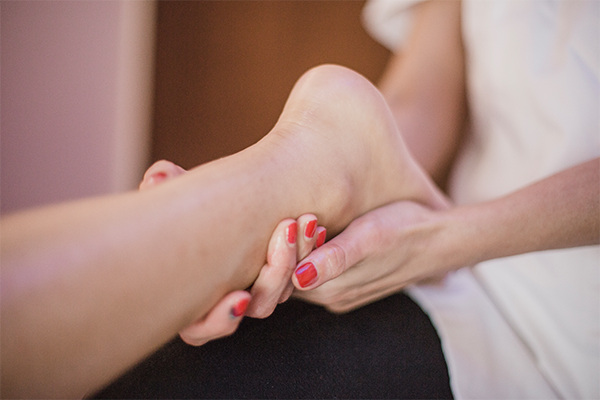
At your first appointment at the Center for Ankle and Foot Care, your podiatrist will conduct a thorough assessment of your condition. They will explain how SoftWave Therapy works and what you can expect during each session:
- Preparation: The area to be treated will be exposed and prepared.
- Application: A handheld device will be used to deliver sound waves to the targeted area.
- Follow-up: Your doctor will discuss a treatment plan that may involve multiple sessions depending on your condition.
Frequently Asked Questions
1. How many sessions of SoftWave Therapy will I need?
The number of sessions varies by individual and condition. Most patients benefit from a series of sessions spaced over several weeks.
2. Is SoftWave Therapy painful?
Most patients report minimal to no discomfort during treatment. The therapy is well-tolerated and non-invasive.
3. Can I receive SoftWave Therapy alongside other treatments?
Yes, SoftWave Therapy can complement other treatments. Consult with your podiatrist about your specific health situation.
4. How soon will I see results from SoftWave Therapy?
Many patients experience improvements within a few sessions, although full benefits may take time as healing occurs.
5. Is SoftWave Therapy covered by insurance?
Coverage varies by insurance provider. It’s best to check with your insurer regarding benefits for SoftWave Therapy.
Conclusion
SoftWave Therapy represents a cutting-edge approach to managing inflammation and promoting healing in various foot conditions. If you're struggling with issues like plantar fasciitis, arthritis, or chronic foot pain, the Center for Ankle and Foot Care in Clermont and Leesburg, Florida, is here to help. Our team of experts is ready to provide compassionate, effective care tailored to your needs.
Don’t let inflammation hold you back any longer. Book your appointment today and take the first step toward improved foot health!