SoftWave Therapy and Connective Tissue Healing
Understanding SoftWave Therapy
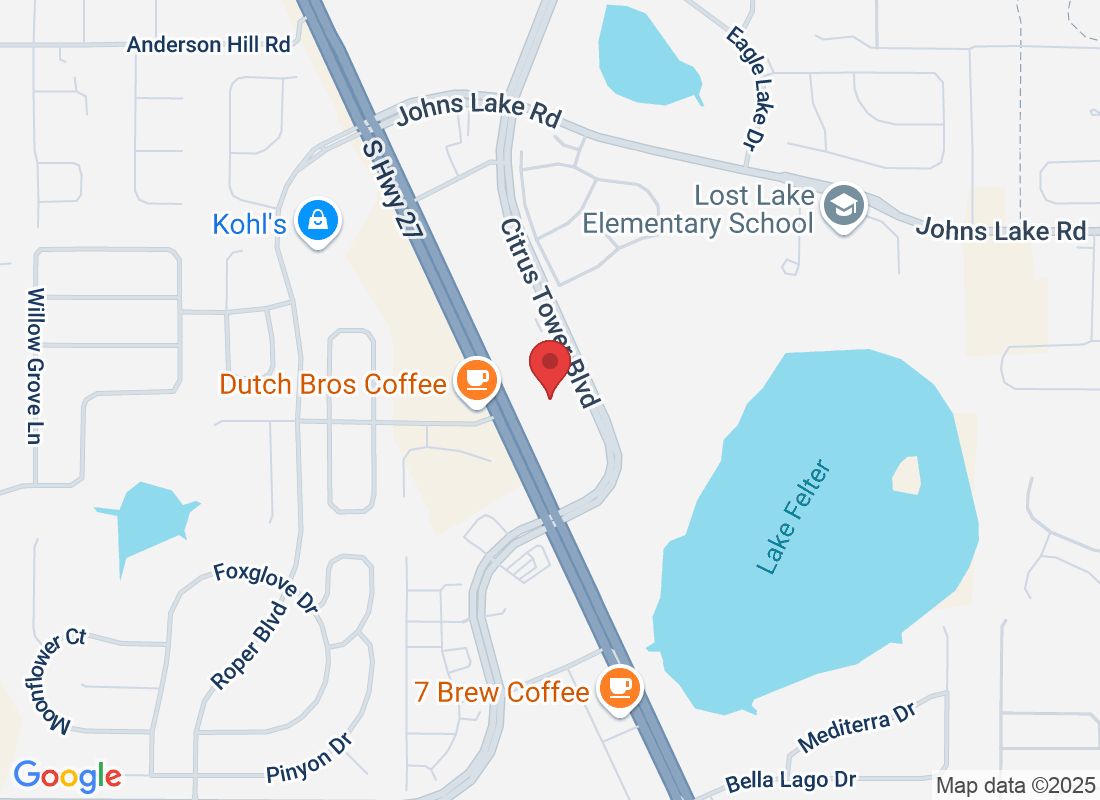
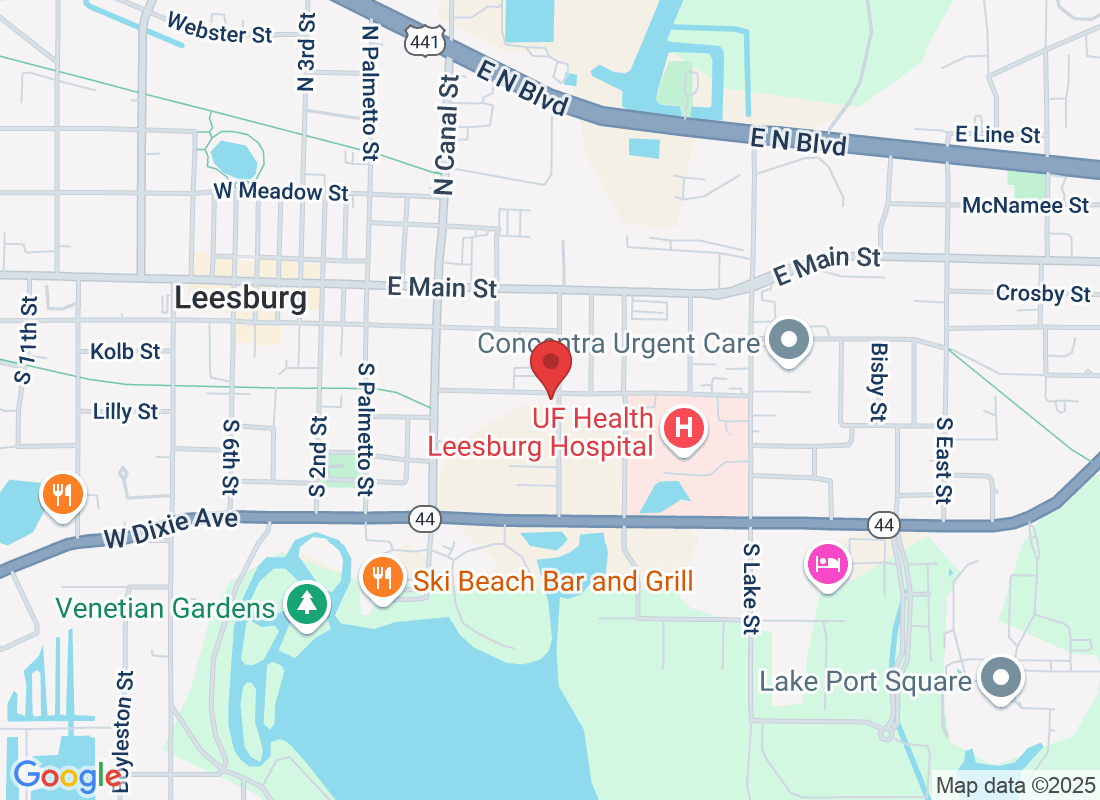
At the Center for Ankle and Foot Care, located in Clermont and Leesburg, Florida, we are dedicated to offering the latest advancements in podiatric treatments. One such innovative modality is SoftWave Therapy, a cutting-edge treatment designed to enhance connective tissue healing. In this blog post, we will explore what SoftWave Therapy is, how it works, and its benefits for common foot conditions.
What is SoftWave Therapy?
SoftWave Therapy, also known as extracorporeal shock wave therapy (ESWT), utilizes acoustic sound waves to stimulate the body’s healing processes. This non-invasive technique promotes connective tissue regeneration, reduces inflammation, and alleviates pain. By targeting areas of injured or inflamed tissue, SoftWave Therapy helps expedite recovery and restore function.
How Does SoftWave Therapy Work?
The treatment employs low-energy acoustic waves. These waves are directed toward specific areas, where they promote increased blood flow and stimulate cellular repair processes. The mechanism involves:
- Vascularization: Enhanced blood flow delivers essential nutrients and oxygen to the damaged tissues.
- Tissue Regeneration: The acoustic waves encourage stem cell activity, leading to the production of new tissue.
- Pain Relief: The therapy helps to decrease pain by reducing inflammation and promoting healing at the affected site.
What Conditions Can SoftWave Therapy Treat?
SoftWave Therapy is effective for various conditions affecting the foot and ankle. This therapy is particularly advantageous for:
- Plantar Fasciitis: Inflammation of the plantar fascia, leading to heel pain.
- Achilles Tendinopathy: Chronic pain in the Achilles tendon due to overuse or injury.
- Heel Spurs: Bone growth that can cause significant pain and discomfort.
- Metatarsalgia: Inflammation in the ball of the foot, resulting in discomfort during walking.
- Post-Surgical Rehabilitation: Enhancing recovery following foot or ankle surgeries.
What Are the Benefits of SoftWave Therapy?
SoftWave Therapy offers numerous advantages for patients suffering from foot conditions:
- Non-Invasive: Unlike surgical options, SoftWave Therapy requires no incisions or downtime.
- Pain Management: It effectively reduces pain levels, allowing for improved mobility and daily function.
- Quick Treatment Sessions: Sessions typically last only 15-20 minutes, making it convenient for busy schedules.
- Minimal Side Effects: Most patients experience mild discomfort during treatment, but major adverse effects are rare.
- Long-Lasting Results: Many patients report substantial improvements in symptoms and quality of life after a series of treatments.
How Can I Prepare for SoftWave Therapy?
Before undergoing SoftWave Therapy, it’s essential to consult with a qualified podiatrist at the Center for Ankle and Foot Care. Your doctor will evaluate your condition and determine if this treatment is appropriate for you. Here are some preparatory steps:
- Medical History: Provide a complete medical history, including any medications you are taking.
- Avoiding Anti-Inflammatory Medications: Discuss with your doctor whether to temporarily stop anti-inflammatory drugs before treatment.
- Comfortable Attire: Wear comfortable clothing and shoes to your appointment for optimal ease.
What Can I Expect After Treatment?
Post-treatment, it’s common to experience mild soreness in the treated area, similar to the feeling after a workout. However, this usually subsides within a few days. Most patients can return to their normal activities immediately after the session. It's essential to follow any aftercare instructions provided by your healthcare provider to maximize healing.
Frequently Asked Questions (FAQ)
1. Is SoftWave Therapy painful?
Patients may experience mild discomfort during treatment, but it is generally well tolerated. Your comfort is a priority during sessions.
2. How many sessions of SoftWave Therapy will I need?
Most patients benefit from a series of 3-5 sessions, scheduled weekly or bi-weekly, depending on their condition.
3. Can SoftWave Therapy be combined with other treatments?
Yes, SoftWave Therapy can be used alongside other treatments, such as physical therapy, to enhance overall recovery outcomes.
4. Who is a good candidate for SoftWave Therapy?
SoftWave Therapy is suitable for many individuals with chronic pain, inflammation, or tissue damage in the foot and ankle. A consultation at our clinic can determine your candidacy.
5. How can I book an appointment for SoftWave Therapy?
Booking an appointment is easy! Visit our booking link here to schedule your visit to the Center for Ankle and Foot Care in Clermont and Leesburg, Florida.
Conclusion
SoftWave Therapy represents a significant advancement in podiatric treatment, offering non-invasive pain relief and enhanced connective tissue healing. At the Center for Ankle and Foot Care, our dedicated team is here to help you understand your treatment options and improve your foot health. If you’re struggling with foot pain or an injury, don’t hesitate to reach out. Book your appointment today!