
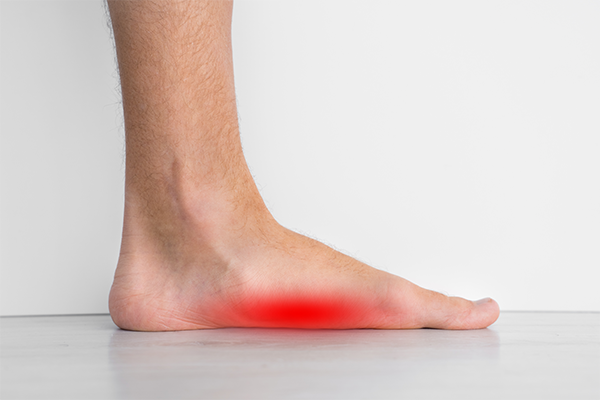
Understanding Heel Pain
Heel pain is a common issue that affects many individuals, often disrupting sleep and daily activities. Conditions such as plantar fasciitis, heel spur syndrome, and Achilles tendonitis can contribute to discomfort, especially at night. At the Center for Ankle and Foot Care in Clermont and Leesburg, Florida, we understand how heel pain can significantly impact your quality of life. In this article, we will provide essential tips and strategies to help you sleep better despite heel pain.
What Causes Heel Pain?
Heel pain can stem from various causes, including:
- Plantar Fasciitis: Inflammation of the plantar fascia, the tissue connecting your heel to your toes.
- Heel Spurs: Bony protrusions on the heel bone, often associated with plantar fasciitis.
- Achilles Tendonitis: Inflammation of the Achilles tendon, which connects the calf muscles to the heel bone.
- Bursitis: Inflammation of the bursa, a fluid-filled sac that reduces friction around the heel.
- Stress Fractures: Small cracks in the heel bone due to overuse or increased physical activity.
How Can I Treat Heel Pain at Night?
Managing heel pain effectively at night can improve your overall sleep quality. Consider the following strategies:
- Proper Footwear: Wearing shoes with adequate arch support and cushioning can alleviate stress on the heel.
- Night Splints: Using a night splint can help keep your foot in a dorsiflexed position, which gently stretches the plantar fascia and Achilles tendon overnight.
- Cold Compress: Applying a cold compress to the heel before bedtime can help reduce inflammation and numb pain.
- Stretching Exercises: Gentle stretching of the calf and foot muscles before sleep can improve flexibility and reduce discomfort. Try standing calf stretches and toe stretches.
- Pain Relief Medications: Over-the-counter anti-inflammatory medications like ibuprofen or acetaminophen may help relieve pain. Always consult with a healthcare professional before medication use.
What Lifestyle Changes Can Help?
In addition to night-specific strategies, implementing lifestyle changes can support long-term management of heel pain:
- Maintain a Healthy Weight: Excess weight can put additional stress on your heels. Achieving and maintaining a healthy weight can minimize pressure on the foot.
- Modify Physical Activities: If certain activities worsen your heel pain, consider modifying your exercise routine. Low-impact activities like swimming or cycling can help maintain fitness without straining your heels.
- Foot Orthotics: Custom foot orthotics provide additional support and can correct biomechanical issues that contribute to heel pain.
- Stay Hydrated: Proper hydration can aid tissue repair and reduce inflammation.
- Regular Check-ups: Regular visits to a podiatrist can help monitor your condition and adjust treatment plans as necessary.
How Can I Create a Sleep-Friendly Environment?
Creating a conducive environment for sleep is essential for those suffering from heel pain. Here are a few tips:
- Use Comfortable Bedding: Ensure your mattress and pillows provide adequate support, allowing you to find a comfortable sleeping position.
- Control Room Temperature: A cool bedroom can promote better sleep. Aim for a temperature between 60-67°F.
- Avoid Screen Time: Limit exposure to screens at least an hour before bed to improve melatonin production and promote sleepiness.
- Establish a Sleep Routine: A consistent bedtime routine can signal your brain that it’s time to sleep, improving overall sleep quality.
Frequently Asked Questions (FAQ)
1. What should I do if heel pain persists?
If your heel pain persists despite home treatments, it's important to consult a podiatrist for an evaluation.
2. Are there any exercises to avoid with heel pain?
Avoid high-impact activities, such as running and jumping, which can worsen heel pain. Opt for low-impact exercises instead.
3. Can I sleep on my side with heel pain?
Sleeping on your side is generally acceptable; you may consider placing a pillow between your knees to relieve pressure on your foot.
4. When should I seek professional treatment for heel pain?
Seek professional treatment if heel pain lasts more than a few weeks or is accompanied by swelling, redness, or severe discomfort.
5. Are there specific therapies available for heel pain?
Yes, treatments like physical therapy, corticosteroid injections, and in severe cases, surgical options may be considered to alleviate heel pain.
Conclusion
Finding relief from heel pain at night can lead to healthier sleep patterns and improved quality of life. By employing the tips and strategies outlined above, you can make significant strides in managing your heel pain. The Center for Ankle and Foot Care in Clermont and Leesburg, Florida, is here to support you in your unique journey. Don't let heel pain keep you from restful nights—book an appointment today to explore tailored treatment options.