
Regenerative Medicine for Plantar Fascia Injuries
Understanding Plantar Fascia Injuries
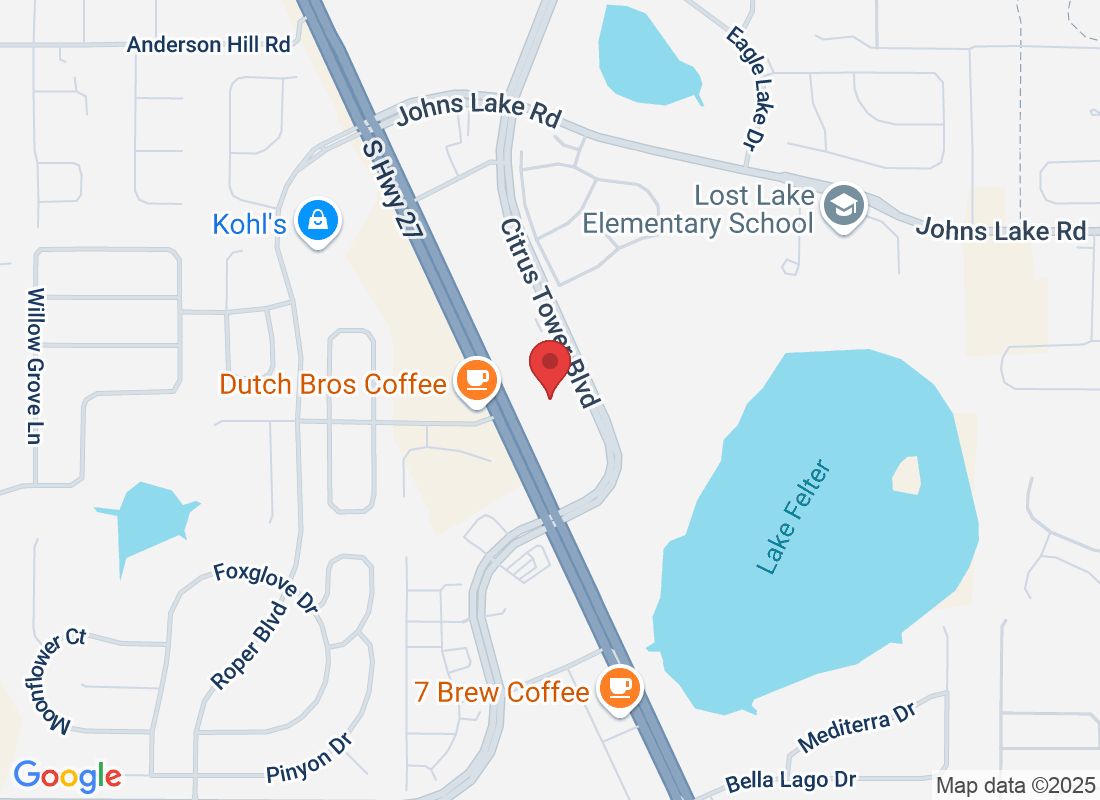
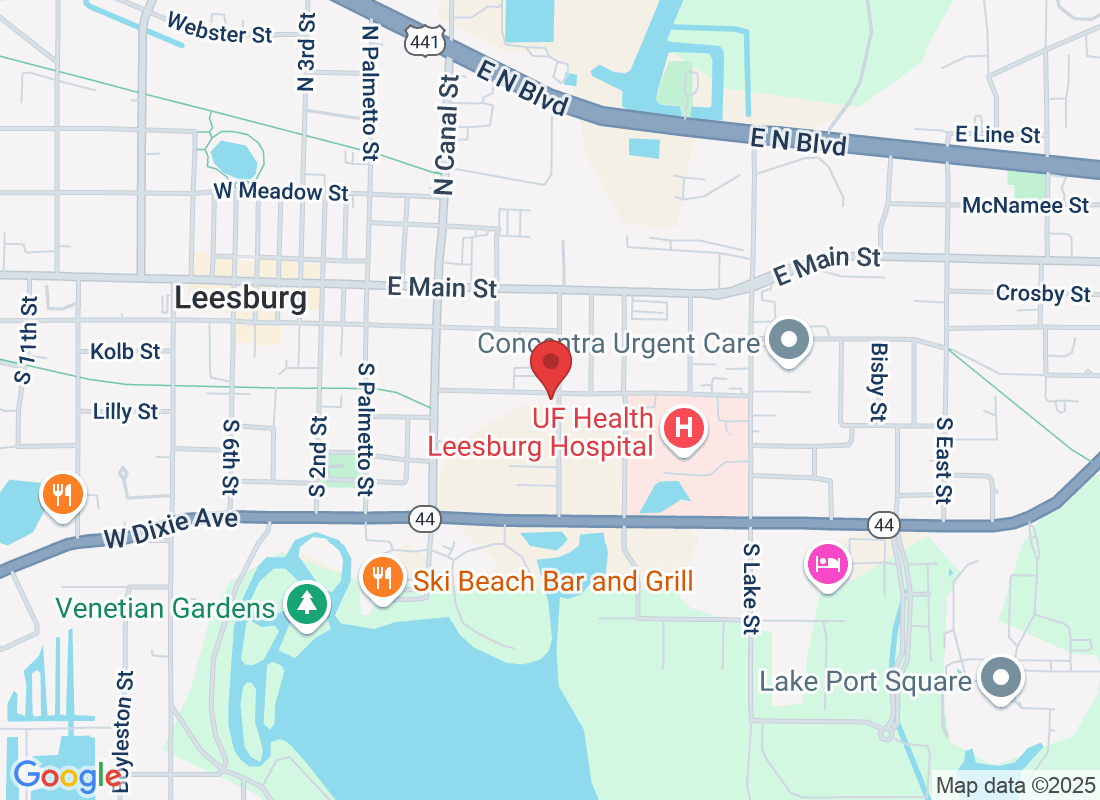
At the Center for Ankle and Foot Care in Clermont and Leesburg, Florida, we understand that plantar fascia injuries can be debilitating. The plantar fascia is a thick band of connective tissue that supports the arch of the foot. Injuries can lead to conditions such as plantar fasciitis, which is characterized by heel pain and discomfort, particularly after periods of inactivity.
What Causes Plantar Fascia Injuries?
Several factors can contribute to the development of plantar fascia injuries. These include:
- Overuse: Repetitive stress from activities such as running, standing for long periods, or excessive walking can lead to inflammation.
- Foot Structure: Flat feet or high arches can alter the mechanics of how weight is distributed across the foot, increasing the risk of injury.
- Age: With age, the plantar fascia can lose elasticity, making it more prone to injuries.
- Improper Footwear: Shoes lacking adequate arch support or cushioning can exacerbate stress on the plantar fascia.
- Obesity: Excess body weight adds additional strain to the plantar fascia, increasing the likelihood of injury.
What Are the Symptoms of Plantar Fascia Injuries?
Individuals suffering from plantar fascia injuries often experience:
- Sharp heel pain, especially with the first steps in the morning or after prolonged sitting.
- Stiffness or pain after standing for long periods.
- Discomfort that worsens after exercise but may improve during activity.
How Can I Treat Plantar Fascia Injuries?
Treatment options for plantar fascia injuries vary depending on the severity and underlying cause. Common approaches include:
- Rest and Ice: Taking breaks and applying ice can reduce inflammation and relieve pain.
- Physical Therapy: Stretching and strengthening exercises can help improve foot mechanics and relieve tension on the plantar fascia.
- Orthotics: Custom or over-the-counter orthotic devices can provide arch support and alleviate pressure on the plantar fascia.
- Anti-Inflammatory Medications: Non-steroidal anti-inflammatory drugs (NSAIDs) can manage pain and swelling.
What is Regenerative Medicine?
Regenerative medicine encompasses a range of therapies aimed at repairing or replacing damaged tissues and organs. In the context of plantar fascia injuries, two common regenerative treatment options are:
- Platelet-Rich Plasma (PRP) Injections: This treatment involves drawing a small amount of your blood, processing it to concentrate the platelets, and injecting it into the injured area. The growth factors in platelets can promote healing and reduce inflammation.
- Mesenchymal Stem Cell Therapy: Stem cells derived from your own body can be injected into the plantar fascia to encourage tissue regeneration. This therapy is still under research but has shown promise in accelerating healing.
Is Regenerative Medicine Effective for Plantar Fascia Injuries?
Research indicates that regenerative medicine can be an effective treatment option for chronic plantar fasciitis, particularly for patients who have not responded to more conservative measures. A 2021 study published in the American Journal of Sports Medicine demonstrated that PRP injections led to significant improvements in pain and function for patients suffering from chronic plantar fasciitis.
Are There Risks Associated with Regenerative Medicine?
As with any medical treatment, there are potential risks and complications associated with regenerative medicine. These may include:
- Infection at the injection site
- Injury to surrounding tissues
- Temporary worsening of pain
However, these treatments are generally well-tolerated when performed by experienced practitioners, such as the specialists at the Center for Ankle and Foot Care.
How to Choose the Right Treatment for You
Choosing the right treatment for plantar fascia injuries should involve a comprehensive evaluation by a podiatrist. At the Center for Ankle and Foot Care, our highly qualified team will assess your symptoms, medical history, and lifestyle to recommend an individualized treatment plan that may include regenerative medicine options.
Frequently Asked Questions (FAQ)
1. How long does it take to recover from plantar fascia injuries?
Recovery time can vary significantly based on the severity of the injury and the chosen treatment. Most patients can expect improvement within a few weeks to several months.
2. Will I need surgery for my plantar fascia injury?
Surgery is usually considered a last resort after conservative treatments have failed. Most individuals respond well to non-invasive therapies.
3. Can I continue to exercise if I have plantar fasciitis?
It's essential to modify your activity level according to your pain. Low-impact exercises such as swimming or cycling can be good alternatives during recovery.
4. Are there any dietary changes that can help with inflammation?
A diet rich in anti-inflammatory foods, such as omega-3 fatty acids, fruits, and vegetables, can complement your treatment plan.
5. How can I prevent plantar fascia injuries in the future?
Wearing proper footwear, maintaining a healthy weight, and regularly stretching your feet and calves can significantly reduce the risk of future injuries.
Conclusion
Regenerative medicine offers exciting options for treating plantar fascia injuries, potentially providing relief for patients who have not found success with traditional methods. If you're struggling with heel pain or other symptoms of plantar fasciitis, the team at the Center for Ankle and Foot Care in Clermont and Leesburg, Florida, is here to help.
Ready to take the first step toward recovery? Book your appointment today! Schedule Now