PRP Therapy in Tendon Degeneration
Understanding Tendon Degeneration
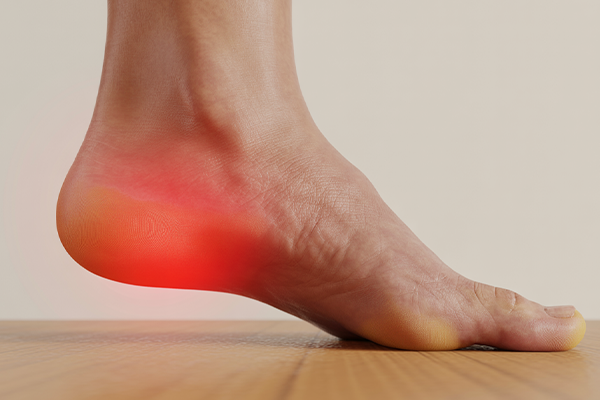
Tendon degeneration is a condition where the tendons, which connect muscles to bones, undergo structural changes due to repetitive stress, injury, or aging. Commonly affected areas include the Achilles tendon, patellar tendon, and the lateral and medial tendons of the foot. Symptoms often include pain, stiffness, and decreased range of motion, significantly impacting daily activities.
What Causes Tendon Degeneration?
Tendon degeneration, also known as tendinopathy, can stem from various causes:
- Age: As we age, the tendons become less elastic and more susceptible to injury.
- Overuse: Repetitive actions, especially in athletes or those with physically demanding jobs, can lead to micro-tears.
- Poor biomechanics: Abnormal foot mechanics can place excess stress on tendons.
- Diabetes and other systemic conditions: These may impair circulation and slow healing.
What is PRP Therapy?
Platelet-rich plasma (PRP) therapy is a regenerative treatment that utilizes the body’s own healing properties. It involves taking a sample of your blood, processing it to concentrate the platelets, and injecting it into the affected tendon to promote healing and tissue regeneration. This therapy has gained popularity in recent years for its ability to treat tendon degeneration without invasive surgical procedures.
How Does PRP Therapy Work?
PRP therapy works by leveraging the natural growth factors present in platelets to stimulate healing. When injected into the site of injury, these growth factors can:
- Enhance collagen production, which strengthens the tendon.
- Reduce inflammation around the affected area.
- Accelerate the body's natural healing processes.
This can lead to pain reduction and improved function, making PRP a compelling option for individuals suffering from tendon degeneration.
Who is a Good Candidate for PRP Therapy?
PRP therapy is suitable for various patients, including:
- Individuals with chronic tendon injuries that have not responded to traditional treatments.
- Athletes looking to enhance recovery times.
- Those wanting a non-surgical treatment option.
However, it’s essential to consult with a specialist to assess your condition and determine if PRP therapy is right for you.
What Are the Benefits of PRP Therapy for Tendon Degeneration?
PRP therapy offers several key benefits for managing tendon degeneration:
- Minimally Invasive: Being a non-surgical procedure, it requires only a simple blood draw.
- Short Recovery Time: Patients can often return to light activities within a few days.
- Natural Healing: Utilizing the body’s own cells minimizes adverse reactions.
- Effective Pain Relief: Many patients experience significant pain reduction within weeks.
What Can I Expect During the PRP Therapy Procedure?
At the Center for Ankle and Foot Care, the PRP therapy process typically involves the following steps:
- Blood Collection: A small amount of blood is drawn from your arm.
- Processing: The blood is placed in a centrifuge to separate the platelets from other blood components.
- Injection: The concentrated PRP is injected directly into the damaged tendon under ultrasound guidance.
- Recovery: Post-procedure, patients may experience mild discomfort, which usually resolves quickly.
Are There Any Risks or Side Effects?
PRP therapy is generally considered safe, given that it uses the patient’s own blood. Nonetheless, some potential risks include:
- Pain at the injection site
- Infection (very rare)
- Temporary worsening of pain
It’s crucial to discuss these concerns with your podiatrist to ensure you are fully informed before proceeding.
Frequently Asked Questions (FAQ)
1. How long does it take for PRP to work?
Patients typically notice improvement within 4 to 6 weeks, but complete healing may take longer depending on the severity of the tendon degeneration.
2. How many PRP sessions will I need?
This varies based on individual injury severity, but most patients benefit from 1 to 3 sessions spaced several weeks apart.
3. Is PRP therapy covered by insurance?
Coverage varies by insurance provider and policy; it’s advisable to check with your insurance company regarding PRP therapy.
4. Can PRP therapy be used for other conditions?
Yes, PRP therapy is also used for conditions like arthritis, ligament injuries, and even skin rejuvenation.
5. What happens after the procedure?
Post-treatment, it's advised to avoid strenuous activities for a few weeks to allow the tendon to heal properly.
Conclusion
PRP therapy presents a promising avenue for individuals experiencing tendon degeneration, allowing them to reclaim their mobility and quality of life. At the Center for Ankle and Foot Care in Clermont and Leesburg, Florida, our dedicated team is here to guide you through every step of your healing journey. If you’re considering PRP therapy as a treatment option, we encourage you to schedule an appointment and discuss your unique needs with us.