
PRP Therapy in Ligament and Tendon Recovery
Understanding PRP Therapy in Ligament and Tendon Recovery
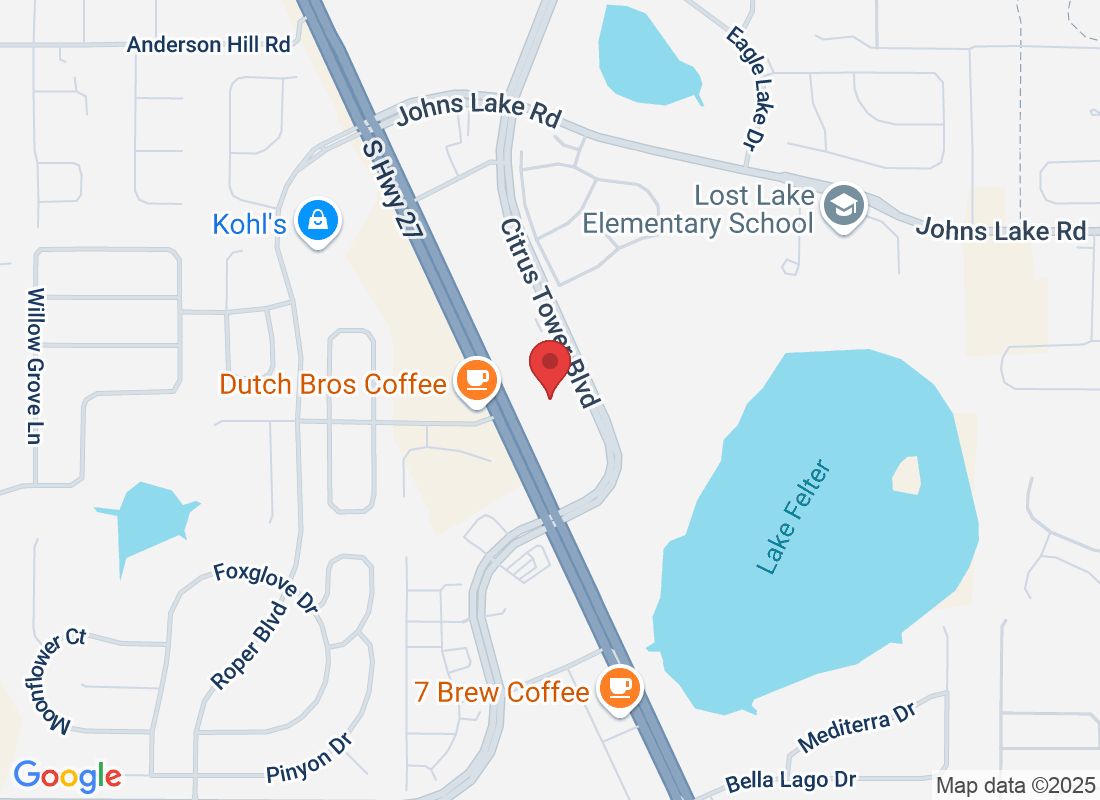
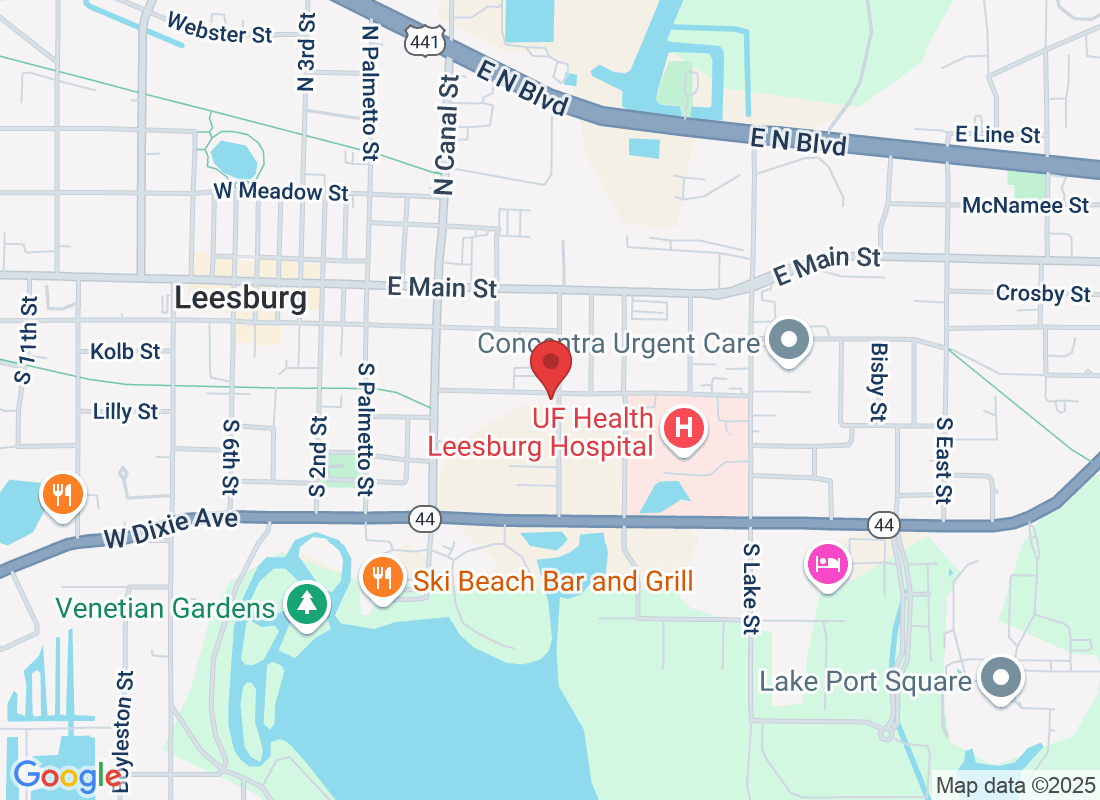
Welcome to the Center for Ankle and Foot Care, located in Clermont and Leesburg, Florida. In this post, we will explore the innovative treatment of Platelet-Rich Plasma (PRP) therapy, particularly its role in ligament and tendon recovery. This treatment has gained attention for its potential to accelerate healing and improve recovery outcomes for various foot and ankle conditions.
What is PRP Therapy?
Platelet-Rich Plasma (PRP) therapy is a regenerative treatment that utilizes components of the patient’s own blood. The therapy involves drawing a small amount of blood, processing it to concentrate the platelets, and injecting this enriched plasma directly into the affected area. Platelets contain growth factors that can stimulate healing and tissue regeneration, making PRP therapy a valuable option for treating ligament and tendon injuries.
How Does PRP Therapy Work?
PRP therapy works on the principle of biological healing. The concentrated platelets release growth factors that promote cell proliferation, collagen synthesis, and tissue repair. This is especially beneficial for:
- Tendon injuries, such as Achilles tendonitis
- Ligament sprains, including ankle sprains
- Tendinopathies, such as plantar fasciitis
- Other chronic musculoskeletal injuries
What Causes Ligament and Tendon Injuries?
Ligament and tendon injuries can occur due to various reasons, including:
- Acute Trauma: Sudden movement or impact (e.g., sports injuries).
- Overuse: Repetitive motion can lead to chronic irritation and inflammation.
- Aging: As we age, tendons and ligaments can weaken and become less flexible.
- Medical Conditions: Conditions like diabetes, rheumatoid arthritis, or poor circulation can affect recovery.
How Can I Treat Ligament and Tendon Injuries?
Treatment for ligament and tendon injuries often begins with conservative methods, including:
- Rest and Ice: Reducing activity and applying ice to minimize swelling.
- Physical Therapy: Structured rehabilitation can strengthen the area and restore range of motion.
- Medications: Non-steroidal anti-inflammatory drugs (NSAIDs) can reduce pain and swelling.
- PRP Therapy: Considered when conservative treatments do not relieve symptoms effectively. This therapy encourages healing through natural regeneration.
What Are the Benefits of PRP Therapy?
PRP therapy offers numerous advantages, including:
- Reduced Recovery Time: Faster healing of injured tissues can lead to a quicker return to normal activities.
- Minimally Invasive: The procedure is relatively simple and requires only local anesthetic.
- Low Risk of Complications: Since the plasma is derived from the patient’s blood, allergic reactions are rare.
- Improved Outcomes: Many patients report substantial improvements in pain and functionality.
Is PRP Therapy Right for Me?
While PRP therapy has shown promise, it may not be suitable for everyone. Candidates for PRP therapy typically include those with:
- Chronic injuries that have not responded to traditional treatments.
- A desire for a natural healing process.
- Specific conditions like plantar fasciitis or tendon tears.
It is essential to have a thorough examination and discussion with your podiatrist at the Center for Ankle and Foot Care to determine if PRP therapy is appropriate based on your individual condition and health history.
What Should I Expect During a PRP Procedure?
The PRP procedure typically involves the following steps:
- The clinician will draw a small amount of your blood, usually from your arm.
- The blood is placed in a centrifuge, which spins it to separate the components, concentrating the platelets.
- Once prepared, the PRP is injected into the injured ligament or tendon using ultrasound guidance to ensure accuracy.
- Post-injection, a short recovery period may be advised before resuming normal activities.
FAQ: Frequently Asked Questions About PRP Therapy
- How many PRP sessions will I need? Most patients require 1-3 sessions depending on the severity of the injury and individual response to treatment.
- Is PRP therapy painful? The injection may cause mild discomfort, but local anesthesia can be used to minimize pain.
- What is the recovery time after a PRP injection? Many patients return to light activities within a few days, but full recovery can take several weeks.
- Are there any side effects? Side effects are usually minimal, including temporary swelling or bruising at the injection site.
- Will my insurance cover PRP therapy? Coverage varies by provider. It’s best to check with your insurance company for specifics.
Conclusion
PRP therapy has emerged as a revolutionary treatment option for individuals suffering from ligament and tendon injuries. At the Center for Ankle and Foot Care in Clermont and Leesburg, Florida, our experienced team is here to guide you through your treatment options and help you achieve optimal recovery. If you’re experiencing pain from a ligament or tendon injury, don’t wait. Book your appointment today and take the first step toward recovery.