
PRP Therapy for Chronic Heel Pain
Understanding Chronic Heel Pain
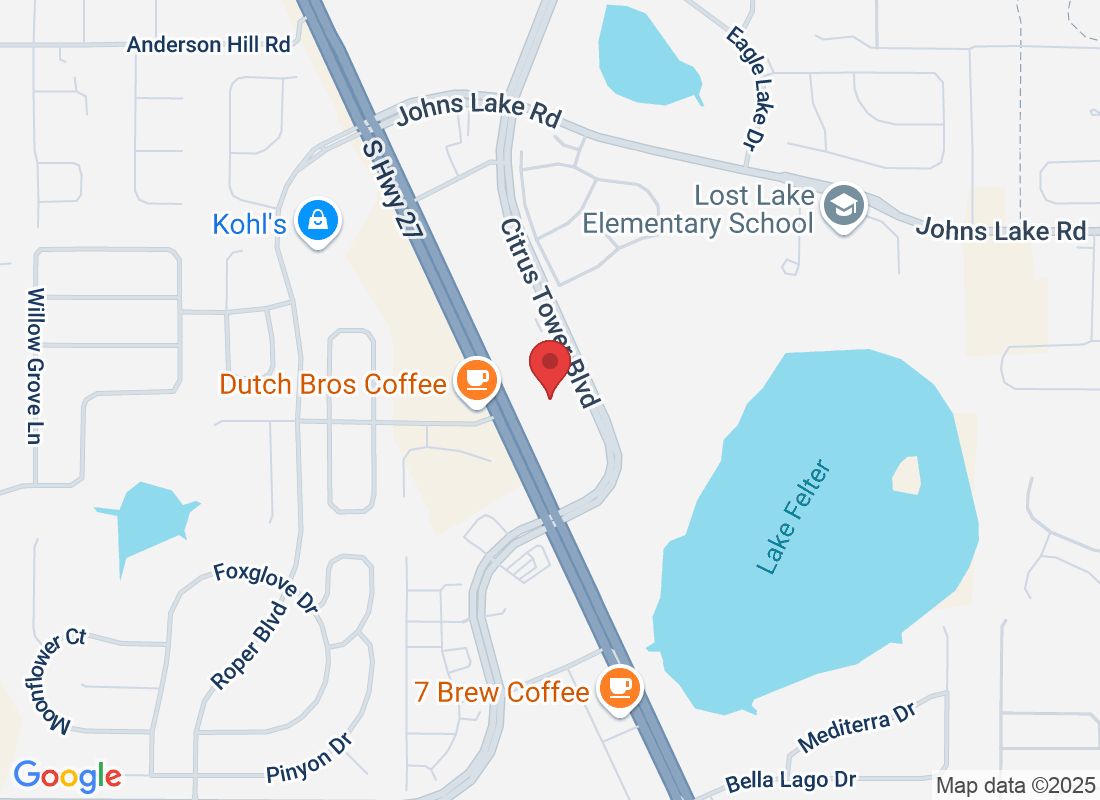
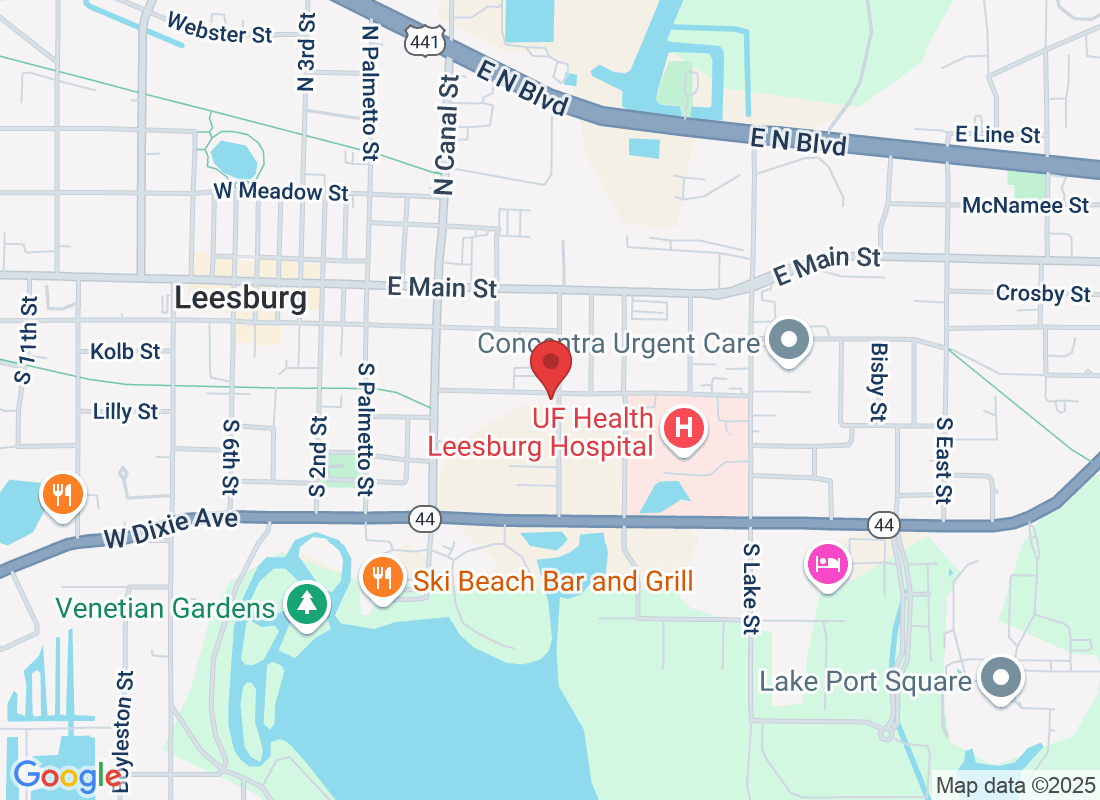
Chronic heel pain is a common issue affecting individuals of all ages. At the Center for Ankle and Foot Care located in Clermont and Leesburg, Florida, we understand that persistent heel discomfort can significantly impact your daily activities and overall quality of life. This article explores the use of Platelet-Rich Plasma (PRP) therapy as an innovative treatment option for chronic heel pain.
What Causes Chronic Heel Pain?
Chronic heel pain can arise from various conditions, including:
- Plantar Fasciitis: Inflammation of the thick band of tissue that runs across the bottom of your foot.
- Achilles Tendonitis: Inflammation of the Achilles tendon, often due to overuse or strain.
- Heel Spurs: Bone growths on the underside of the heel that can cause pain.
- Bursitis: Inflammation of the bursa, a fluid-filled sac that cushions joints.
- Tarsal Tunnel Syndrome: Compression of the posterior tibial nerve causing pain and numbness.
How Does PRP Therapy Work?
Platelet-Rich Plasma (PRP) therapy is a state-of-the-art treatment that utilizes your body's own healing mechanisms. The process involves:
- Drawing a small amount of your blood.
- Processing the blood to concentrate the platelets and growth factors.
- Injecting the PRP directly into the affected area in the heel.
This accelerated healing response can help reduce inflammation and promote tissue repair, thereby alleviating pain associated with conditions like plantar fasciitis and Achilles tendonitis.
What Are the Benefits of PRP Therapy?
PRP therapy offers several benefits for patients dealing with chronic heel pain, including:
- Minimally Invasive: The procedure is simple and requires no surgery.
- Quick Recovery: Most patients can return to normal activities within a short period.
- Natural Healing: Uses the body’s own cells to promote healing, reducing the risk of allergic reactions.
- Effective Pain Relief: Many patients experience significant reduction in pain and improved function.
- Long-Lasting Results: Some studies suggest that the effects of PRP therapy may last for months or even years.
How Can I Treat Chronic Heel Pain at Home?
In conjunction with professional treatment like PRP therapy, you can manage chronic heel pain at home with the following strategies:
- Rest: Avoid high-impact activities that exacerbate your pain.
- Ice Therapy: Apply ice to the heel for 15-20 minutes several times a day.
- Stretching Exercises: Perform gentle stretching, focusing on the calf muscles and plantar fascia.
- Footwear: Use supportive footwear that cushions your heel.
- Over-the-Counter Pain Relief: Medications like ibuprofen can help reduce pain and inflammation.
Who Is a Suitable Candidate for PRP Therapy?
PRP therapy can be beneficial for individuals suffering from chronic heel pain due to persistent conditions such as plantar fasciitis and Achilles tendonitis. Ideal candidates include:
- Patients who have not responded well to conservative treatments.
- Individuals who prefer non-surgical options.
- Those looking for long-term pain relief without extensive recovery times.
What Are the Risks and Side Effects of PRP Therapy?
While generally safe, PRP therapy may involve some risks and side effects, such as:
- Minor pain at the injection site.
- Bruising or swelling.
- Infection (although rare).
It is essential to discuss your medical history and concerns with your podiatrist to determine if PRP therapy is right for you.
Frequently Asked Questions (FAQ)
1. How long does PRP therapy take?
The entire procedure generally takes about 30 to 60 minutes.
2. How many PRP therapy sessions do I need?
Many patients benefit from 1 to 3 sessions, spaced several weeks apart, depending on the severity of the condition.
3. Is PRP therapy covered by insurance?
Insurance coverage for PRP therapy varies; it is advisable to check with your provider.
4. When will I start feeling relief?
Some patients report improvement within a few days, while others may take weeks to experience full benefits.
5. Can I continue my regular activities after treatment?
Most patients can resume normal activities shortly after the procedure, but high-impact activities should be avoided for a brief period.
Conclusion and Call to Action
Chronic heel pain can be debilitating, but treatments like PRP therapy at the Center for Ankle and Foot Care in Clermont and Leesburg, Florida, offer hope and relief. Our expert team is dedicated to providing personalized care to help you get back on your feet. If you’re ready to explore PRP therapy or other treatment options, book an appointment today!