
Plantar Wart Treatment in Clermont & Leesburg, Florida: When That Spot on Your Foot Won’t Go Away
Introduction to Plantar Warts
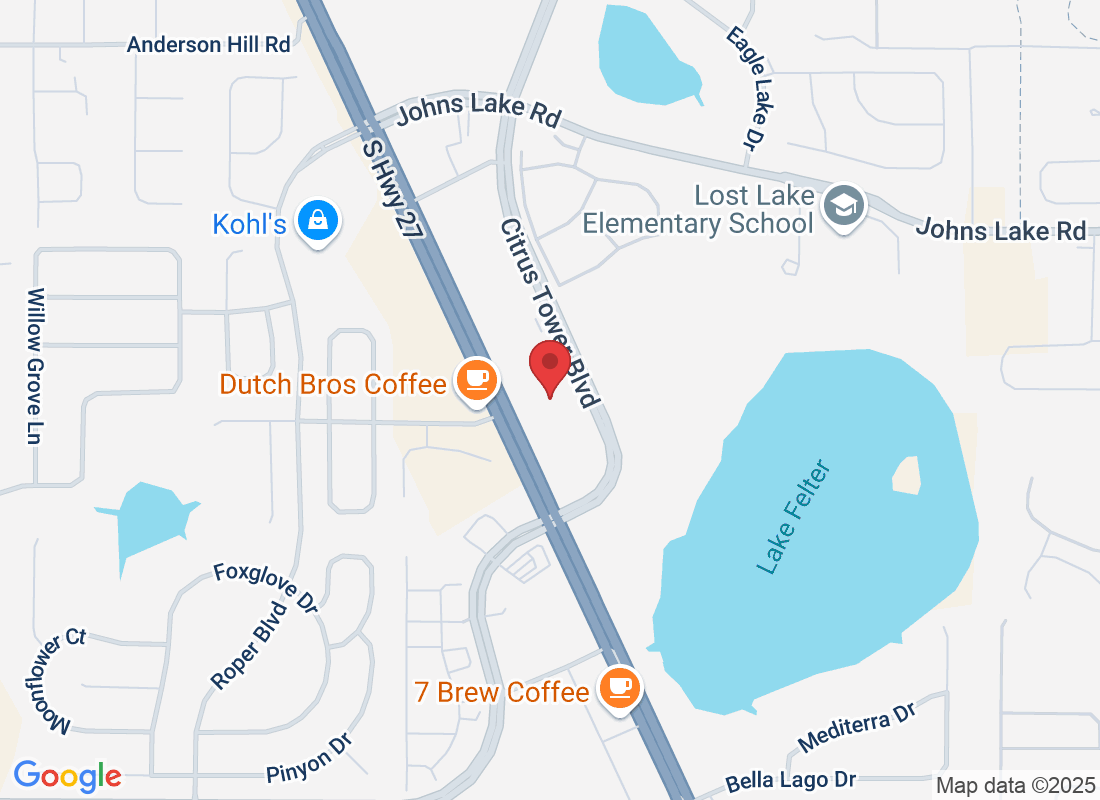
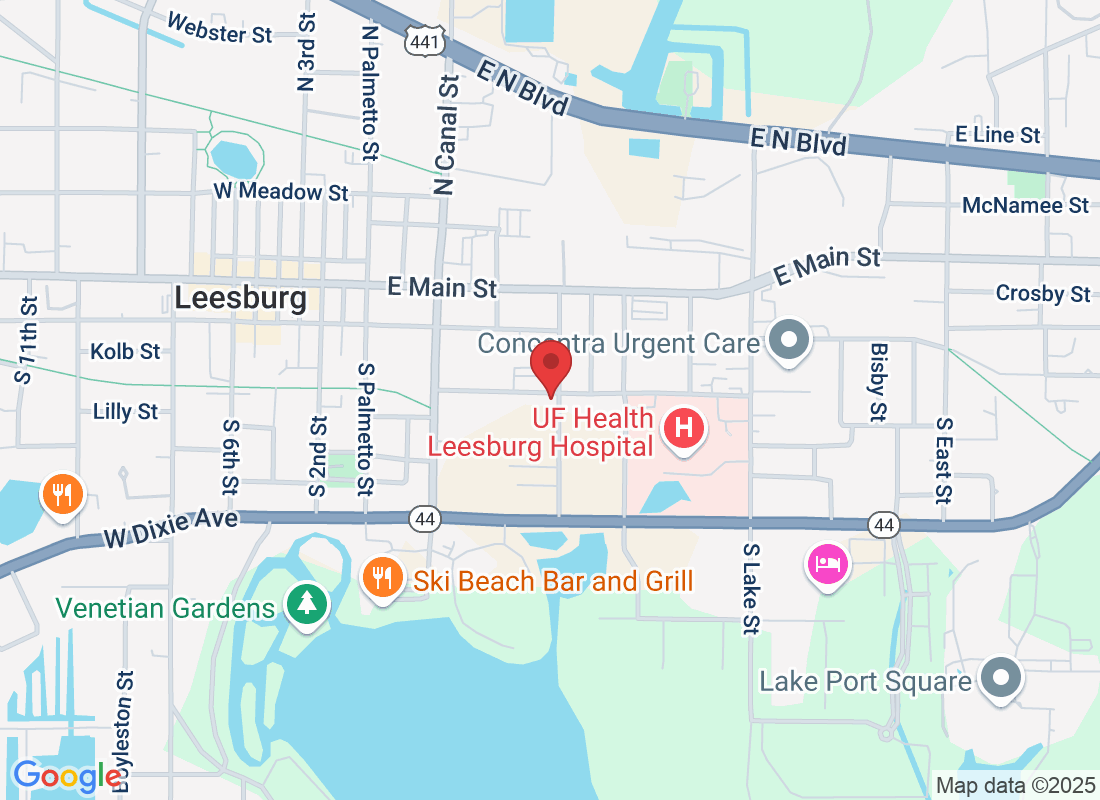
Plantar warts are benign growths that can develop on the soles of your feet due to the human papillomavirus (HPV). While these warts are generally harmless, they can be bothersome, painful, and sometimes persistent. If you’re residing in Clermont or Leesburg, Florida, and have a spot on your foot that won’t go away, the Center for Ankle and Foot Care is here to help you understand your condition and explore effective treatment options.
What Causes Plantar Warts?
Plantar warts occur when HPV infects the skin through small cuts or abrasions. The viral infection prompts the skin to grow rapidly, leading to the formation of a wart. Here are some common factors that can contribute to the development of plantar warts:
- Direct contact with the virus, often in communal areas such as swimming pools or locker rooms.
- Weakened immune system, which increases susceptibility to infections.
- Having moist environments around the feet, which can facilitate HPV entry.
Symptoms of Plantar Warts
Identifying plantar warts involves recognizing specific symptoms. Typical signs include:
- A small, rough growth on the bottom of the foot.
- Hard, thickened skin (callus) over the wart.
- Black dots or spots within the wart, which are small, clotted blood vessels.
- Pain or tenderness when standing or walking.
How Can I Treat Plantar Warts?
Treating plantar warts depends on factors like size, location, and patient preference. Here are some treatment options available at Center for Ankle and Foot Care:
Over-the-Counter Treatments
Common over-the-counter treatments include salicylic acid formulations that help dissolve the wart. It’s important to apply these treatments consistently as directed for optimal results.
Podiatric Treatments
If the wart is persistent or painful, you might require professional treatment, including:
- Cryotherapy: Freezing the wart with liquid nitrogen to eliminate the wart tissue.
- Cantharidin: A chemical that causes blister formation under the wart, eventually leading to its removal.
- Laser Therapy: Targeting the wart with laser energy to destroy the HPV-infected tissue.
- Surgery: In rare cases, surgical removal may be necessary for stubborn warts that do not respond to other treatments.
Can I Prevent Plantar Warts?
While it may not be possible to completely prevent plantar warts, there are several measures you can take to reduce your risk:
- Avoid walking barefoot in public areas.
- Keep your feet clean and dry, especially in between your toes.
- Use foot powder to minimize moisture in your shoes.
- Avoid borrowing footwear from others, particularly in communal settings.
When Should I See a Podiatrist?
If you notice a growth on your foot that resembles a wart and it does not improve with self-care, it is advisable to see a foot specialist. Unexplained growths, changes in appearance, bleeding, or increased pain are signs that require professional evaluation.
Frequently Asked Questions (FAQ)
1. Are plantar warts contagious?
Yes, plantar warts can spread from one person to another through direct contact or by walking on contaminated surfaces. However, they do not usually spread easily from one part of your body to another.
2. How long does it take for a plantar wart to go away?
While some plantar warts may disappear on their own within a few months, others may persist for years without treatment. Professional intervention can often expedite their removal.
3. Can plantar warts cause complications?
Plantar warts are generally non-invasive but can cause pain and discomfort, especially if located on a weight-bearing area of the foot. If left untreated, they may affect your gait and lead to additional foot problems.
4. Can I treat plantar warts at home?
Yes, you can use over-the-counter treatments, but it's crucial to follow the instructions carefully. If you do not see improvement after several weeks, consult a podiatrist for more effective options.
5. Will plantar warts come back after treatment?
In some cases, plantar warts can recur even after treatment due to the persistence of the virus. However, with proper care and treatment from a podiatrist, recurrence rates can be minimized.
Conclusion
Dealing with a plantar wart in Clermont or Leesburg, Florida, doesn’t have to be a prolonged issue. At the Center for Ankle and Foot Care, we specialize in diagnosing and treating plantar warts with evidence-based practices to ensure the best outcomes for our patients. If you’re struggling with a foot spot that just won't go away, book an appointment today! Take the first step toward healthier feet.