
Plantar Fasciitis Recovery Timelines
Understanding Plantar Fasciitis
Plantar fasciitis is a common condition that affects millions of people worldwide, particularly among those who engage in prolonged standing or high-impact activities. It occurs when the plantar fascia, a thick band of tissue that runs across the bottom of your foot, becomes inflamed. This inflammation leads to significant heel pain, especially with the first steps in the morning or after prolonged periods of sitting.
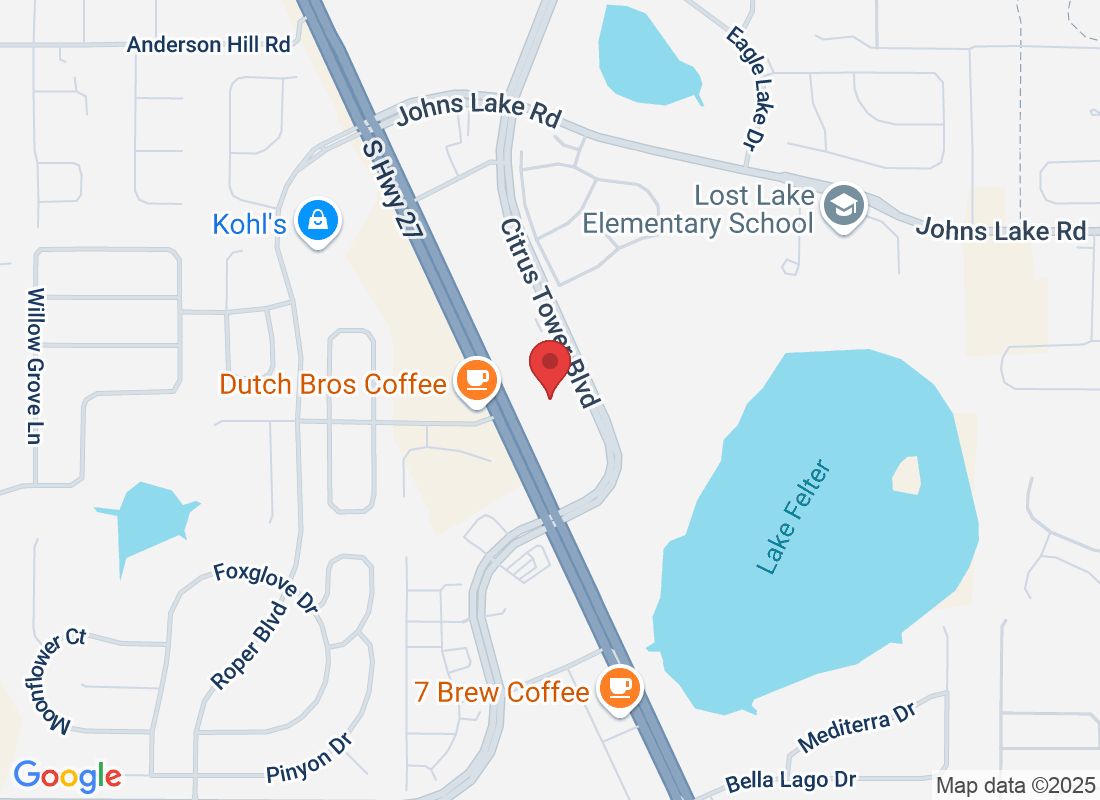
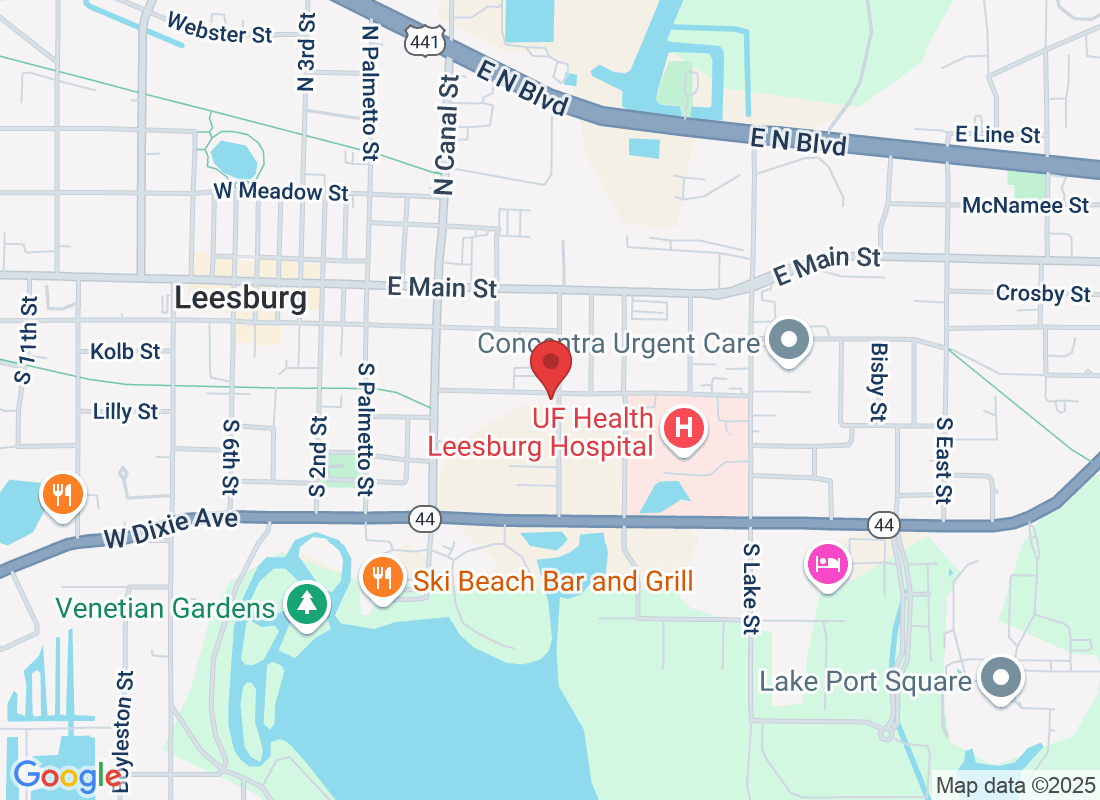
At the Center for Ankle and Foot Care in Clermont and Leesburg, Florida, we understand the impact that plantar fasciitis can have on your quality of life. In this article, we will explore the recovery timelines associated with this painful condition, including the factors that influence healing times and effective treatment options.
What Causes Plantar Fasciitis?
Several factors can contribute to the development of plantar fasciitis, including:
- Age: The condition is more prevalent in adults aged 40-60.
- Foot Mechanics: Flat feet, high arches, or an abnormal walking pattern can increase stress on the plantar fascia.
- Obesity: Excess weight puts additional strain on the plantar fascia.
- Occupational Risks: Jobs that require long-standing or heavy lifting can predispose individuals to plantar fasciitis.
- Activity Level: High-impact sports or sudden increases in physical activity can lead to inflammation.
What Are the Symptoms of Plantar Fasciitis?
The most typical symptoms of plantar fasciitis include:
- Sharp Heel Pain: Often described as stabbing pain near the heel, especially during the first steps of the day.
- Pain after Sitting: Pain can also intensify after sitting for prolonged periods.
- Stiffness: Some patients experience stiffness in the foot, particularly in the morning.
How Long Does It Take to Recover from Plantar Fasciitis?
The recovery timeline for plantar fasciitis varies among individuals and is influenced by multiple factors, including the severity of the condition, adherence to treatment protocols, and overall health. On average, most patients begin to experience significant relief within:
- 1-2 weeks: Initial improvement can be noticed with proper rest and at-home care.
- 4-6 weeks: Consistent treatment, which may include physical therapy and orthotics, can lead to substantial pain reduction.
- 6-12 months: Full recovery may take up to a year, especially in chronic cases or those with underlying contributing factors.
How Can I Treat Plantar Fasciitis Effectively?
To mitigate the symptoms of plantar fasciitis and facilitate healing, consider the following treatment options:
- Rest: Allowing the foot to recover by minimizing activities that exacerbate the pain.
- Ice Therapy: Applying ice to the affected area can help reduce inflammation and pain.
- Stretches and Strengthening Exercises: Specific exercises can improve flexibility and strengthen the muscles in your foot and calf.
- Orthotics: Custom insoles can provide arch support and redistribute pressure on your foot.
- Physical Therapy: A tailored program may help address biomechanical issues and improve overall foot function.
- Medications: Over-the-counter anti-inflammatory drugs may alleviate pain and swelling.
- Injection Therapy: In cases of persistent pain, corticosteroid injections may be recommended.
- Surgery: Rarely, surgical options might be considered for chronic cases that don't respond to conservative treatments.
When Should I Seek Professional Help?
If home treatments do not lead to improvement within a few weeks, it’s crucial to consult a healthcare provider. At the Center for Ankle and Foot Care, our experienced team is dedicated to diagnosing and managing plantar fasciitis effectively. We use a comprehensive approach that may include physical examinations, imaging studies, and personalized treatment plans.
Frequently Asked Questions (FAQ)
1. Can plantar fasciitis go away on its own?
Yes, some cases may resolve with conservative treatment, but many patients benefit from a structured approach under professional guidance.
2. Are there specific exercises for plantar fasciitis?
Yes, stretching and strengthening exercises targeting the calf and plantar fascia can be extremely beneficial. A physical therapist can guide you through appropriate exercises.
3. How can I prevent plantar fasciitis?
Wearing supportive footwear, maintaining a healthy weight, and avoiding sudden increases in activity can help reduce your risk.
4. Is surgery necessary for plantar fasciitis?
Surgery is usually a last resort after conservative measures have failed. Most patients respond well to non-surgical treatments.
5. Can plantar fasciitis affect both feet?
While it frequently occurs in one foot, it is possible for plantar fasciitis to affect both feet, particularly in individuals with underlying foot mechanics issues.
Conclusion
Understanding the recovery timelines and treatment options for plantar fasciitis is crucial for managing this painful condition effectively. If you are experiencing symptoms or have concerns about your foot health, don’t hesitate to reach out to us at the Center for Ankle and Foot Care in Clermont and Leesburg, Florida. Our dedicated team is here to help you find relief and restore your mobility.
Schedule an appointment today by visiting our booking page: Book Now.