Plantar Fasciitis in Leesburg Runners: What You Need to Know
Introduction
If you're a runner in Leesburg, Florida, you may have heard of plantar fasciitis, a common condition that can hinder your performance and enjoyment of running. At the Center for Ankle and Foot Care, located in Clermont and Leesburg, we specialize in diagnosing and treating this painful foot condition. Understanding plantar fasciitis, its causes, symptoms, and treatment options can help you return to your active lifestyle.
What is Plantar Fasciitis?
Plantar fasciitis is an inflammation of the plantar fascia, a thick band of tissue that runs across the bottom of your foot, connecting your heel bone to your toes. This condition typically causes pain in the heel or along the arch of the foot, especially with the first steps in the morning or after prolonged periods of sitting.
What Causes Plantar Fasciitis in Runners?
- Overuse: Increased running mileage or intensity without proper conditioning can strain the plantar fascia.
- Foot Structure: Flat feet, high arches, or abnormal walking patterns can increase stress on the plantar fascia.
- Improper Footwear: Shoes that lack proper arch support or cushioning can contribute to the development of plantar fasciitis.
- Age: As we age, the plantar fascia can lose elasticity, making it more susceptible to injury.
- Obesity: Carrying excess weight adds additional stress to the plantar fascia.
What Are the Symptoms of Plantar Fasciitis?
The primary symptom of plantar fasciitis is a sharp, stabbing pain in the heel, particularly noticeable during the first steps of the day or after standing for a long time. Other symptoms may include:
- Pain after prolonged periods of sitting or resting.
- Discomfort that intensifies after exercise rather than during it.
- Soreness or stiffness in the foot, especially after activity.
How is Plantar Fasciitis Diagnosed?
At the Center for Ankle and Foot Care, our experienced podiatrists will conduct a detailed examination of your foot, discuss your medical history, and evaluate your gait. Diagnostic imaging, such as X-rays or MRIs, may be utilized in some cases to rule out other conditions and confirm the diagnosis.
How Can I Treat Plantar Fasciitis?
Effective treatment for plantar fasciitis often involves a combination of approaches, including:
- Rest and Ice: Reducing activity and applying ice to the affected area can alleviate pain and inflammation.
- Stretching Exercises: Gentle stretching of the plantar fascia, Achilles tendon, and calf muscles can improve flexibility and decrease tension.
- Orthotics: Professionally fitted arch supports can provide additional stability and support to the foot, helping to relieve stress on the plantar fascia.
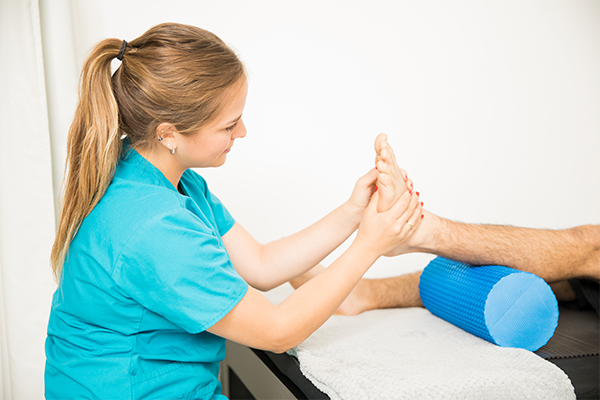
- Physical Therapy: A physical therapist can design a tailored rehabilitation program, incorporating exercises and techniques to promote healing.
- Medications: Nonsteroidal anti-inflammatory drugs (NSAIDs) may help manage pain and inflammation.
- Shoe Selection: Investing in well-cushioned, supportive shoes designed for running is crucial. Avoid worn-out shoes that do not provide adequate support.
When Should I Consider Surgery?
Surgery for plantar fasciitis is generally considered a last resort after conservative treatments fail to provide relief. In cases where the pain persists after 6-12 months of non-surgical interventions, surgical options such as plantar fascia release may be discussed. It involves cutting a portion of the plantar fascia to relieve tension.
What is the Recovery Process Like?
The recovery process from plantar fasciitis varies between individuals. Following an appropriate treatment plan, most patients start to notice improvement within 6-12 weeks. However, adherence to recommended stretching and strengthening exercises is crucial for long-term management and prevention of recurrence.
Frequently Asked Questions (FAQ)
1. How long does it typically take to heal from plantar fasciitis?
With appropriate treatment, most individuals experience improvement within 6 to 12 weeks. However, healing time can vary based on severity and adherence to the treatment plan.
2. Can I still run with plantar fasciitis?
Continuing to run with plantar fasciitis is possible but should be approached with caution. It's important to reduce intensity, switch to lower-impact exercises, and follow medical advice regarding footwear and supports.
3. Are there preventative measures for plantar fasciitis?
Yes, proper footwear, regular stretching of the foot and calf muscles, and gradually increasing running mileage can help prevent plantar fasciitis.
4. Can diet affect plantar fasciitis pain?
While diet alone won't cure plantar fasciitis, maintaining a healthy weight can reduce stress on your feet, and anti-inflammatory foods may help manage pain.
5. When should I see a podiatrist for plantar fasciitis?
If you experience persistent heel pain, especially after trying home remedies, it’s advisable to consult with a podiatrist for a comprehensive evaluation and tailored treatment plan.
Conclusion
Understanding plantar fasciitis is essential for runners in Leesburg who wish to continue their active lifestyle. At the Center for Ankle and Foot Care, located in Clermont and Leesburg, Florida, our dedicated team is here to help you manage this condition effectively. Don't let heel pain hold you back — book your appointment online today and take the first step toward pain-free running!