
Plantar Fascia Strain and Overuse Patterns
Understanding Plantar Fascia Strain and Overuse Patterns
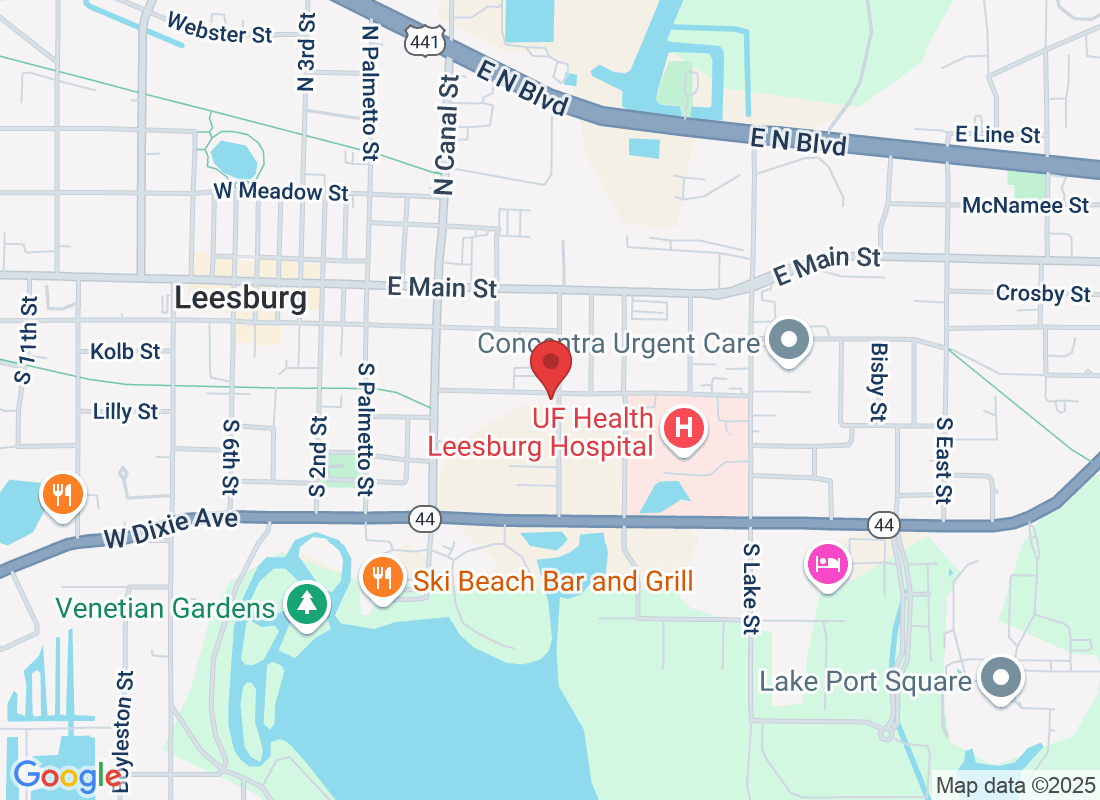
At the Center for Ankle and Foot Care, located in Clermont and Leesburg, Florida, we specialize in diagnosing and treating various foot conditions, including plantar fascia strain. This common condition often stems from overuse and can be quite debilitating if not addressed properly. In this article, we will explore the anatomy of the plantar fascia, the causes of strain, symptoms, treatment options, and preventive measures to help you maintain optimal foot health.
What is the Plantar Fascia?
The plantar fascia is a thick band of connective tissue located on the bottom of your foot, running from the heel bone (calcaneus) to the toes. It plays a critical role in supporting the arch of the foot and absorbing shock during activities such as walking and running. Understanding its function is essential to grasping how strain and overuse can occur.
What Causes Plantar Fascia Strain?
Several factors can contribute to plantar fascia strain, including:
- Overuse: Activities that involve repetitive impact, such as running, jumping, or standing for long periods can lead to micro-tears in the plantar fascia.
- Foot Structure: Flat feet or high arches can increase stress on the plantar fascia, leading to strain.
- Improper Footwear: Shoes that lack proper arch support or cushioning can aggravate the plantar fascia.
- Weight Gain: Increased body weight can place additional stress on the feet, contributing to plantar fascia problems.
- Aging: As we age, the tissues in the foot can lose elasticity, making them more susceptible to strain.
What Are the Symptoms of Plantar Fascia Strain?
Those suffering from plantar fascia strain often experience a variety of symptoms, including:
- Heel Pain: A sharp, stabbing pain at the heel, especially with the first steps in the morning or after prolonged sitting.
- Arch Pain: Discomfort in the arch of the foot that may increase with activity.
- Stiffness: A feeling of tightness in the foot after periods of rest.
- Swelling: Mild swelling at the heel or along the arch of the foot.
How Can I Treat Plantar Fascia Strain?
Effective treatment for plantar fascia strain may involve a combination of approaches:
- Rest: Avoid activities that put stress on the plantar fascia to allow for healing.
- Ice Therapy: Applying ice to the affected area can reduce pain and swelling.
- Stretching Exercises: Regularly performing stretching exercises for the calf and plantar fascia can improve flexibility and reduce tension.
- Orthotics: Custom orthotic devices can provide arch support and redistribute pressure away from the plantar fascia.
- Anti-Inflammatory Medications: Over-the-counter medications, such as ibuprofen or naproxen, can help alleviate pain and inflammation.
- Physical Therapy: A physical therapist can guide you through specific exercises and modalities aimed at strengthening the foot and improving function.
What Preventive Measures Can I Take?
To prevent plantar fascia strain, consider the following tips:
- Choose Proper Footwear: Invest in shoes that offer adequate support and cushioning.
- Gradually Increase Activity Levels: Avoid sudden increases in activity intensity or duration.
- Maintain a Healthy Weight: Managing body weight can reduce stress on your feet.
- Stay Active: Incorporate regular, low-impact exercises into your routine to keep foot muscles strong.
- Practice Foot Hygiene: Keep your feet clean and inspect them regularly for signs of injury.
When Should I See a Podiatrist?
If you experience persistent heel or arch pain, it’s advisable to consult a podiatrist. At the Center for Ankle and Foot Care, our team of specialists in Clermont and Leesburg, Florida, can help diagnose the cause of your discomfort, recommend appropriate treatments, and develop a personalized care plan tailored to your needs.
Frequently Asked Questions (FAQ)
1. How long does it take to recover from plantar fascia strain?
Recovery time can vary significantly based on the severity of the strain and the treatment methods employed. Mild cases may improve in a few weeks, whereas more severe cases can take several months.
2. Can I continue to exercise with plantar fascia strain?
While it’s essential to rest the affected foot, low-impact activities such as swimming or cycling may be advisable. Consult with your podiatrist before resuming any exercise routine.
3. Are there specific stretches I can do for plantar fascia pain?
Yes, calf stretches, toe stretches, and plantar fascia stretches can be very effective. Your podiatrist can demonstrate these exercises during your visit.
4. What footwear is recommended for plantar fascia strain?
Look for shoes with good arch support, cushioning, and a firm heel counter. Avoid flip-flops or high heels that can exacerbate symptoms.
5. Is surgery an option for chronic plantar fasciitis?
In rare cases where conservative treatments have failed, surgical options may be considered. However, most patients respond well to non-surgical treatments.
Conclusion
Plantar fascia strain is a common condition that can significantly affect your daily activities. Understanding its causes, symptoms, and treatment options is key to managing and preventing this condition. If you're experiencing heel or arch pain, don’t hesitate to reach out for professional help. At the Center for Ankle and Foot Care in Clermont and Leesburg, Florida, our dedicated team is here to provide you with expert care tailored to your needs. Book your appointment today to take the first step toward relief.