Painful Callus That Keeps Coming Back? The Real Problem May Be Underneath It
Painful Callus That Keeps Coming Back? The Real Problem May Be Underneath It
If you're experiencing persistent calluses on your feet that seem to return despite treatment, it's crucial to understand that there's often a deeper issue at play. At the Center for Ankle and Foot Care in Clermont and Leesburg, Florida, we specialize in diagnosing and treating foot problems, including recurrent calluses which may be symptomatic of underlying conditions.
What are Calluses?
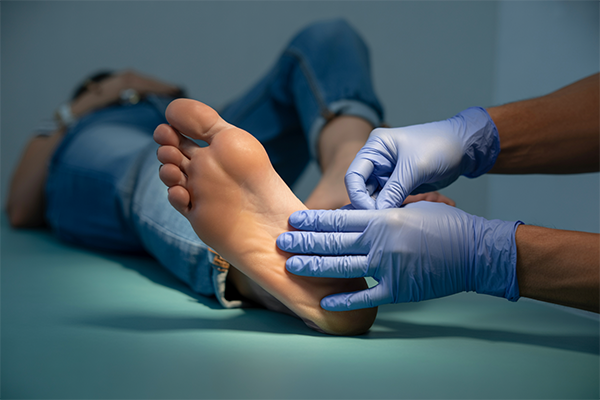
Calluses are areas of thickened skin formed as a protective response against friction and pressure. While they are common and can provide a certain level of protection, they can also be painful and unsightly.
What Causes Calluses?
- Repetitive Pressure: Activities like walking or running can lead to callus formation.
- Improper Footwear: Shoes that are too tight or ill-fitting can create excessive friction.
- Foot Deformities: Conditions such as bunions or hammertoes can change the way your feet bear weight.
- Podiatric Conditions: Issues like plantar warts or eczema can also contribute to callus development.
How Can I Treat Persistent Calluses?
Treating calluses effectively often requires addressing the underlying causes. Here are steps you can take:
- Proper Footwear: Choose shoes that fit well and provide adequate support.
- Podiatric Consult: Consult with a podiatrist for a comprehensive evaluation. At the Center for Ankle and Foot Care, we can assess for any biomechanical issues that may be contributing to your callus formation.
- Regular Foot Care: Use a pumice stone to gently reduce thickened skin, and moisturize daily to prevent further build-up.
- Orthotic Inserts: Custom-foot orthotics may help redistribute pressure and alleviate friction.
- Medical Treatments: For stubborn calluses, treatments such as debridement in the clinic or topical solutions may be recommended.
When Should I See a Podiatrist?
If your calluses are painful, bleeding, or accompanied by other foot concerns (like swelling or discoloration), it's crucial to seek medical advice. In particular, individuals with diabetes or circulatory issues should never ignore foot problems due to the increased risk of complications.
Can Calluses Indicate Other Problems?
Yes, calluses can sometimes signal underlying foot conditions. For example:
- Plantar Fasciitis: Associated with inflammation of the plantar fascia, leading to heel pain and changes in walking patterns.
- Morton’s Neuroma: Thickening of tissue around nerves in the foot, which can cause pain leading to compensatory behaviors that create calluses.
- Flat Feet or High Arches: These structural abnormalities can alter foot mechanics, leading to increased pressure and consequent callus formation.
How Can I Prevent Callus Formation?
Prevention strategies include:
- Wearing properly-fitted shoes that offer both comfort and support.
- Maintaining a foot care regimen that includes regular exfoliation and moisturizing.
- Strengthening foot muscles through exercises, which can improve overall foot mechanics.
Frequently Asked Questions (FAQ)
1. Are calluses dangerous?
No, calluses themselves are not dangerous, but they can be painful and may indicate underlying foot problems requiring attention.
2. How long does it take to get rid of calluses?
The timeframe for reducing or eliminating calluses depends on their severity and the effectiveness of the treatment plan. Regular care usually leads to visible improvements within a few weeks.
3. Can I remove calluses at home?
While gentle at-home treatments, such as using a pumice stone, can help, it's best to consult a podiatrist for severe or painful calluses to prevent injury.
4. What should I do if my calluses bleed?
If a callus is bleeding, you should contact a podiatrist immediately. Bleeding may indicate an underlying infection or injury.
5. Are there specific creams for callus treatment?
Yes, many over-the-counter creams contain ingredients like salicylic acid that help soften thickened skin. Your podiatrist may recommend the best options for your specific condition.
If you're ready to address your painful calluses and the underlying issues contributing to them, we encourage you to book an appointment with us at the Center for Ankle and Foot Care in Clermont and Leesburg, Florida. Our expert team is here to provide personalized treatment to help you find relief from foot pain. Schedule your appointment today!