
Neuropathy and Functional Decline
Understanding Neuropathy and Its Impact on Functionality
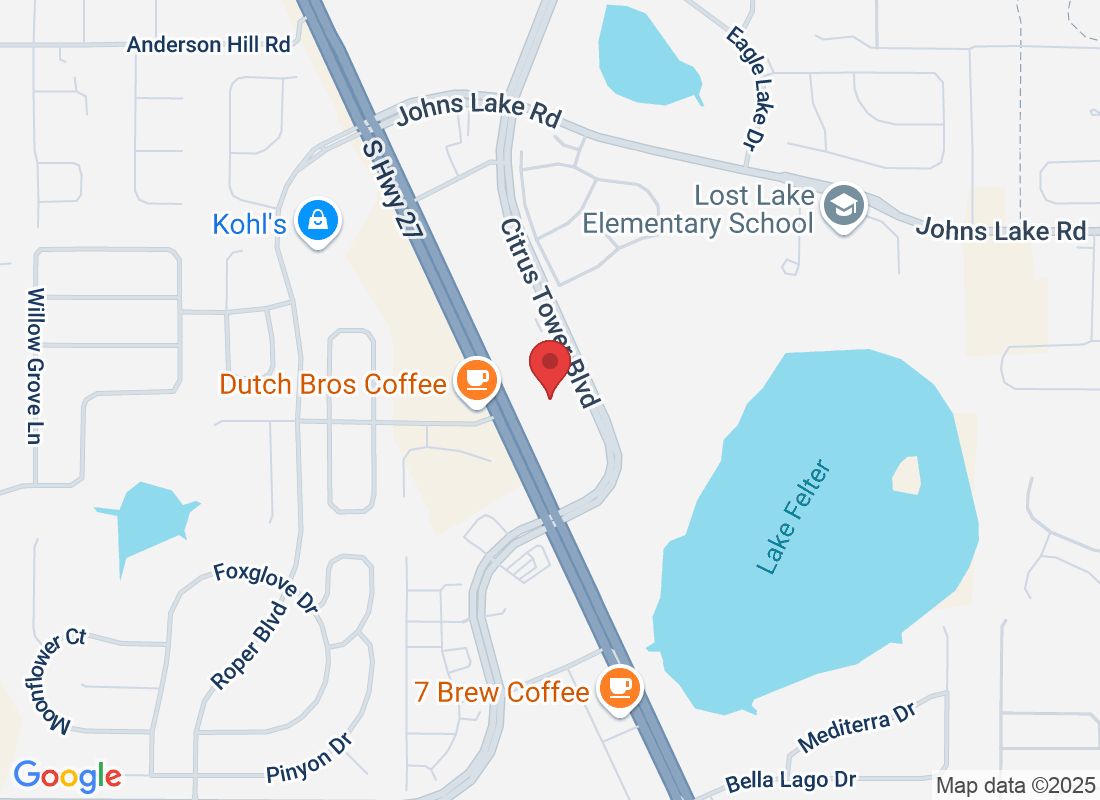
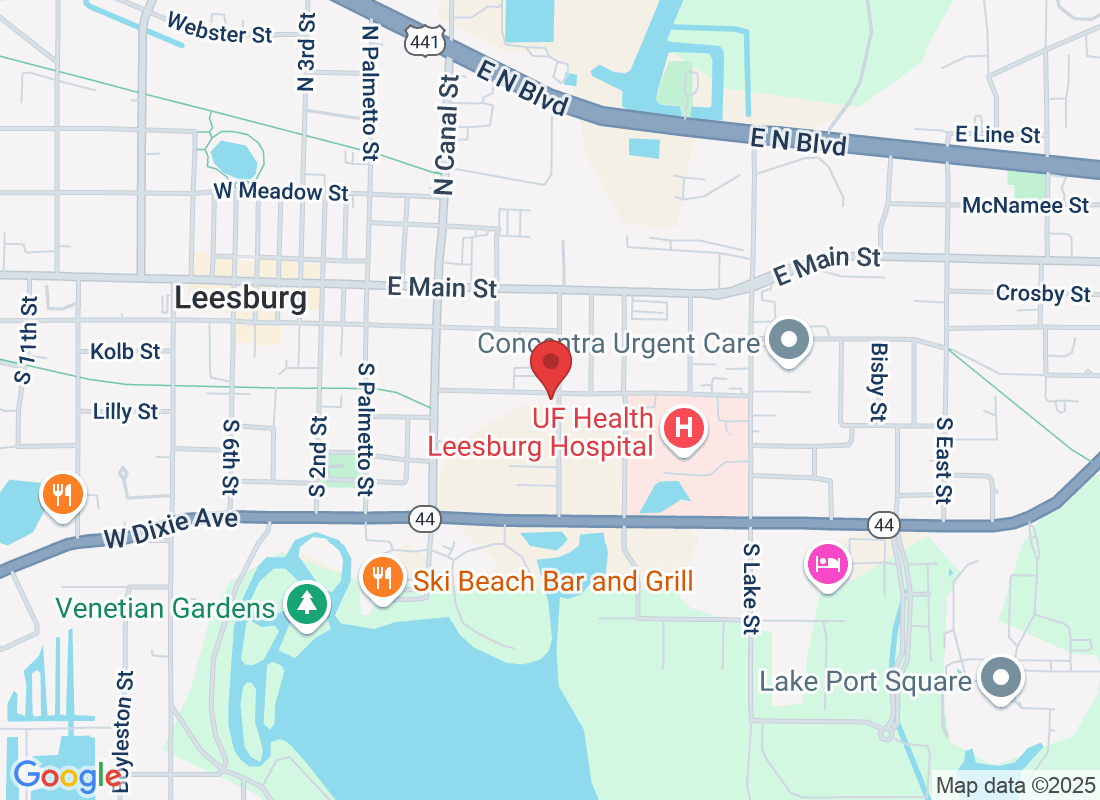
At the Center for Ankle and Foot Care in Clermont and Leesburg, Florida, we recognize the significant impact that neuropathy can have on an individual's daily life. Neuropathy refers to damage or dysfunction of the nerves, potentially leading to debilitating symptoms and reducing overall functional capabilities. Whether caused by diabetes, traumatic injury, or other underlying health conditions, understanding neuropathy is crucial for effective management and enhanced quality of life.
What Causes Neuropathy?
- Diabetes: One of the most common causes, diabetic neuropathy results from prolonged high blood sugar levels damaging peripheral nerves.
- Chemotherapy: Certain cancer treatments can lead to peripheral neuropathy as a side effect.
- Alcoholism: Chronic alcohol abuse can contribute to nerve damage through nutritional deficiencies.
- Infections: Conditions such as Lyme disease, shingles, and HIV can cause neuropathy.
- Autoimmune diseases: Disorders like lupus and rheumatoid arthritis can lead to nerve inflammation.
- Genetic conditions: Hereditary neuropathies, such as Charcot-Marie-Tooth disease, can affect nerve function.
What Are the Symptoms of Neuropathy?
The symptoms of neuropathy can vary widely depending on the type of nerves affected—motor, sensory, or autonomic. Common signs include:
- Numbness or tingling in the feet and hands
- Sharp, jabbing pain
- Weakness in limbs and impaired motor function
- Loss of coordination and balance
- Increased sensitivity to touch
- Digestive issues in cases affecting autonomic nerves
How Does Neuropathy Lead to Functional Decline?
Neuropathy can significantly impair one’s ability to perform daily activities. This decline in function may stem from:
- Reduced sensory feedback, leading to poor balance and increased fall risk.
- Muscle weakness, hindering mobility and leading to difficulty in walking or standing for long periods.
- Increased pain levels, which can limit physical activity and discourage exercise, negatively impacting overall health.
- Complications resulting in foot injuries, ulcers, or infections due to loss of sensation.
As nerve damage progresses, these functional limitations may become increasingly pronounced, necessitating intervention from healthcare professionals.
How Can I Treat Neuropathy?
While neuropathy treatment will differ based on the underlying cause, several management strategies can help alleviate symptoms and improve functionality:
- Medications: Pain relievers, antidepressants, and anti-seizure drugs are often prescribed to manage symptoms.
- Physical Therapy: Tailored exercises can enhance strength, coordination, and balance.
- Occupational Therapy: This can help patients learn new techniques to perform daily activities safely.
- Dietary Changes: A well-balanced diet rich in vitamins B1, B6, B12, and other essential nutrients supports nerve health.
- Management of Underlying Conditions: Controlling blood sugar levels in diabetic patients is crucial for reducing further nerve damage.
- Assistive Devices: Orthotics or walking aids can help maintain mobility and stability.
When Should I See a Podiatrist?
If you experience symptoms of neuropathy, it is crucial to consult a healthcare professional. At the Center for Ankle and Foot Care, we specialize in diagnosing and treating conditions related to nerve damage in the feet and ankles. Early intervention can help mitigate further complications and enhance functional outcomes.
Frequently Asked Questions (FAQ)
- Q1: Can neuropathy be reversed?
A1: While some neuropathies can be managed, not all types are reversible. Treatment focuses on alleviating symptoms and preventing further nerve damage. - Q2: How is neuropathy diagnosed?
A2: Diagnosis typically involves a physical examination, medical history assessment, and various tests such as nerve conduction studies or electromyography (EMG). - Q3: Are there lifestyle changes I can make to improve my condition?
A3: Yes, maintaining a healthy diet, exercising regularly, and managing underlying health issues can positively impact neuropathy. - Q4: What can I do to manage my pain at home?
A4: Home remedies like soaking in warm water, using cold packs, and practicing gentle stretching can relieve minor symptoms. - Q5: How can I prevent neuropathy?
A5: Managing chronic conditions, limiting alcohol intake, and ensuring a well-balanced diet can help prevent neuropathy.
Conclusion
Neuropathy is a complex condition that can lead to significant functional decline if left untreated. Understanding the causes, symptoms, and treatment options is crucial for managing its effects. At the Center for Ankle and Foot Care in Clermont and Leesburg, Florida, our team is dedicated to providing expert care for those living with neuropathy. If you are experiencing symptoms or would like to learn more, please book an appointment with us today.