
Neuropathy and Circulatory Factors
Understanding Neuropathy and Circulatory Factors
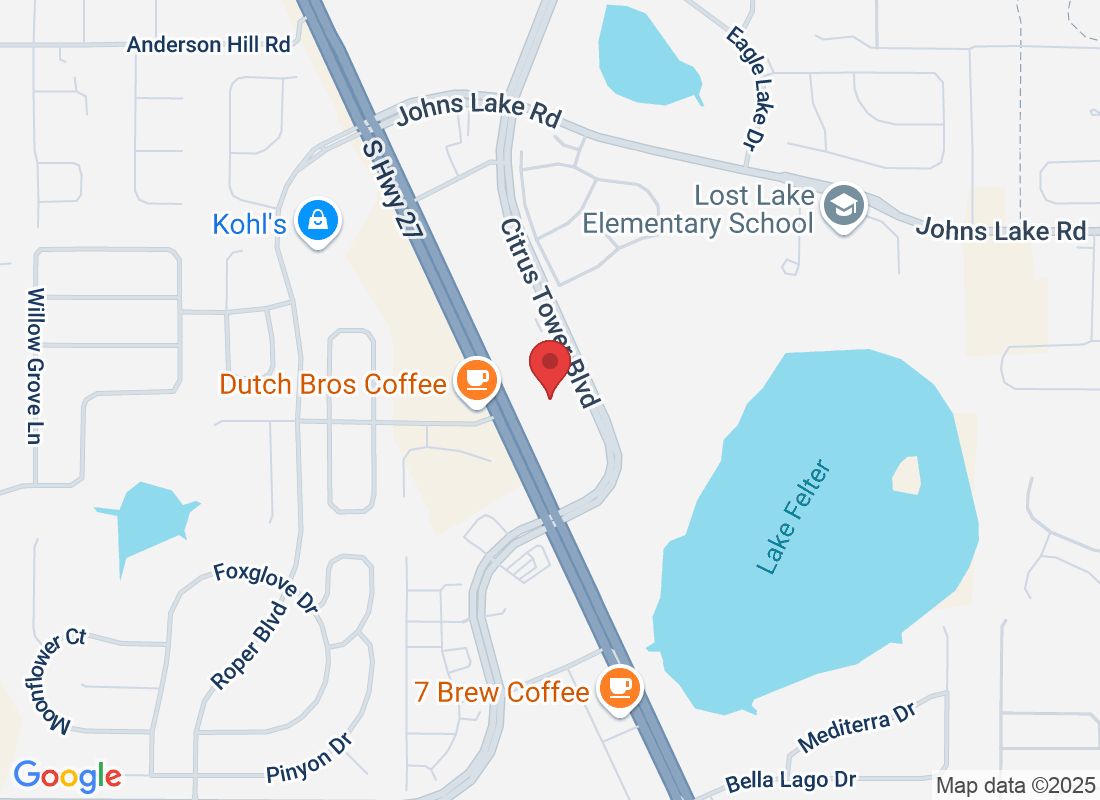
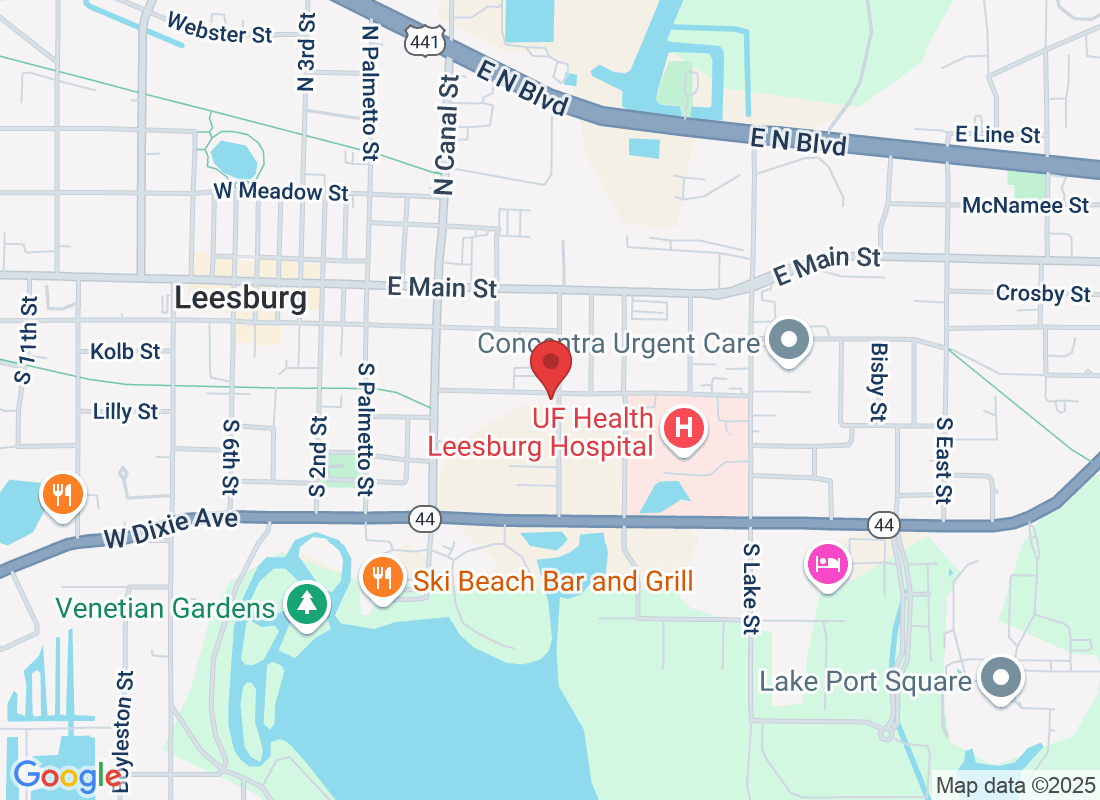
At the Center for Ankle and Foot Care, serving Clermont and Leesburg in Florida, we believe that understanding foot health is essential for overall well-being. One common concern many patients face is neuropathy, often intertwined with circulatory issues. This article aims to shed light on what neuropathy is, its causes, and how circulatory factors impact this condition.
What is Neuropathy?
Neuropathy, or peripheral neuropathy, refers to damage or dysfunction of the peripheral nerves, which can lead to pain, tingling, or weakness, particularly in the feet and hands. It can be caused by various factors, including diabetes, alcohol abuse, genetic disorders, infections, and even certain medications.
What Causes Neuropathy?
- Diabetes: Diabetic neuropathy is one of the most common causes, resulting from prolonged high blood sugar levels damaging nerves.
- Circulatory Issues: Poor blood flow due to conditions such as peripheral artery disease can deprive nerves of oxygen and nutrients.
- Vitamin Deficiencies: Lack of vitamins, especially B vitamins, can lead to nerve damage.
- Alcohol Abuse: Chronic alcohol consumption can lead to toxicity and nutritional deficiencies that affect nerve function.
- Autoimmune Diseases: Conditions like lupus or rheumatoid arthritis can cause nerve inflammation.
How Do Circulatory Factors Impact Neuropathy?
Circulatory factors play a crucial role in the development and exacerbation of neuropathy symptoms. Adequate circulation is vital for delivering oxygen and nutrients to nerve tissues. Conditions that impair blood flow can lead to nerve damage and worsen neuropathic symptoms. Let’s delve deeper into how this relationship manifests:
- Peripheral Artery Disease (PAD): PAD causes narrowing of the arteries and reduces blood flow to the limbs, resulting in symptoms such as pain and cramping. When nerves are deprived of oxygen, they become more susceptible to damage.
- Chronic Venous Insufficiency: Dysfunction in the veins can cause blood pooling and swelling. This not only leads to discomfort but may also affect nerve health over time.
- Diabetes and Circulation: Diabetes causes high glucose levels that damage blood vessels over time, leading to reduced circulation and contributing to diabetic neuropathy.
What Are the Symptoms of Neuropathy?
Symptoms of neuropathy can vary depending on the type and severity of nerve damage. Common symptoms include:
- Tingling or burning sensations in the extremities
- Sharp or stabbing pain
- Numbness in the feet or hands
- Weakness in the affected limbs
- Sensitivity to touch or temperature changes
How Can I Treat Neuropathy Associated with Circulatory Factors?
Treating neuropathy, especially when related to circulatory factors, involves a multifaceted approach. Here are several strategies often recommended:
- Medical Management: Consult a healthcare professional for medications aimed at managing pain and addressing underlying conditions.
- Physical Therapy: Engaging in targeted exercises can help improve circulation and strengthen the affected areas.
- Lifestyle Changes: Adopting a balanced diet rich in vitamins, particularly B vitamins, can promote nerve health. Regular physical activity can enhance circulation.
- Diabetes Management: For diabetic patients, maintaining blood sugar levels within target ranges is crucial.
- Alternative Therapies: Some patients find relief through acupuncture or chiropractic care. Always consult your doctor before trying alternative treatments.
Preventing Neuropathy and Circulatory Issues
Preventive measures play a critical role in maintaining nerve health and good circulation. Here are some effective strategies:
- Regular Checkups: Regular visits to your podiatrist at the Center for Ankle and Foot Care can help detect early signs of neuropathy.
- Healthy Diet: Incorporate fruits, vegetables, whole grains, and lean proteins into your meals.
- Stay Active: Aim for at least 150 minutes of moderate exercise weekly to promote circulation.
- Avoid Alcohol and Smoking: Both habits can negatively affect circulation and nerve health.
FAQs About Neuropathy and Circulatory Issues
- What conditions can cause neuropathy? Diabetes, alcohol abuse, autoimmune diseases, and vitamin deficiencies are common causes.
- Can neuropathy be reversed? Depending on the cause, some forms of neuropathy can be managed or reversed, especially if identified early.
- How is neuropathy diagnosed? Diagnosis typically involves a combination of patient history, physical exams, and possibly nerve conduction studies.
- What lifestyle changes can help manage neuropathy? Maintaining a healthy diet, regular exercise, and avoiding tobacco and excessive alcohol can be beneficial.
- When should I see a specialist? If you experience persistent pain, numbness, or weakness in your extremities, it’s important to consult a podiatrist.
At the Center for Ankle and Foot Care, we understand the intricate links between neuropathy and circulatory factors. Our dedicated team is here to provide you with comprehensive care tailored to your needs. If you’re experiencing symptoms or have questions about your foot health, don't hesitate to reach out. Book an appointment today to take the first step towards better foot health! We proudly serve the Clermont and Leesburg communities, ensuring each patient receives the care they deserve.