
Nail Treatments in Clermont and Leesburg
Nail Treatments in Clermont and Leesburg
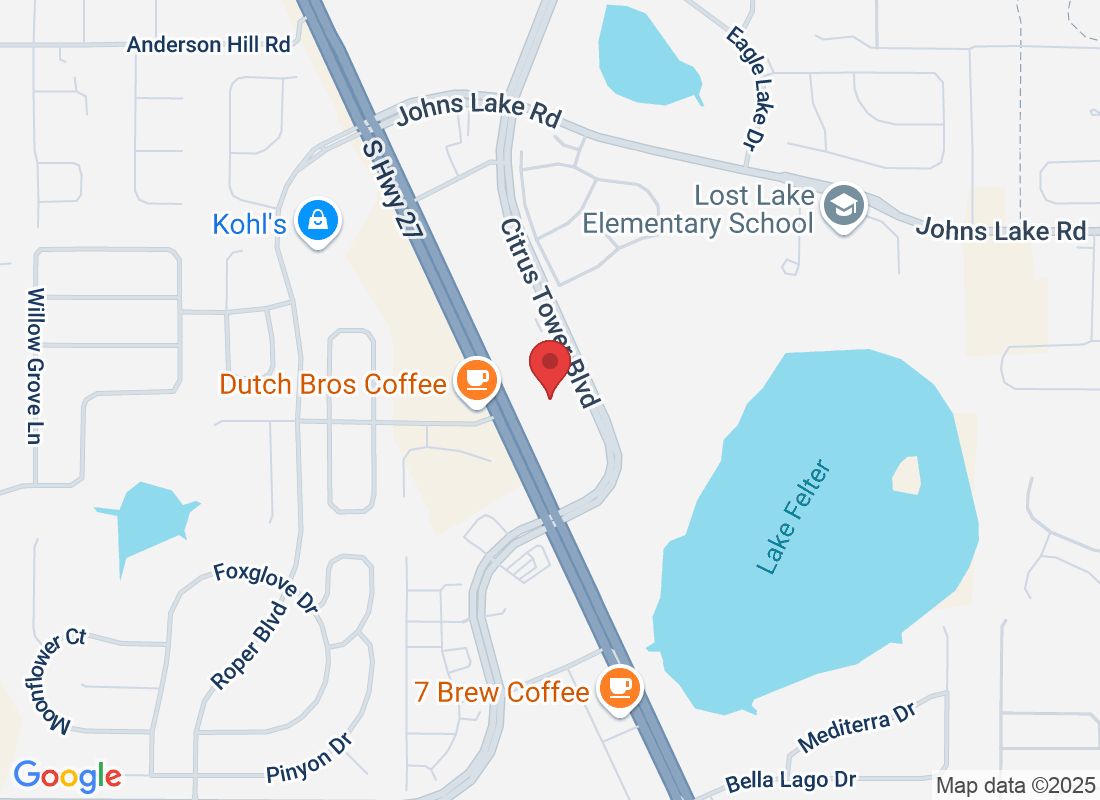
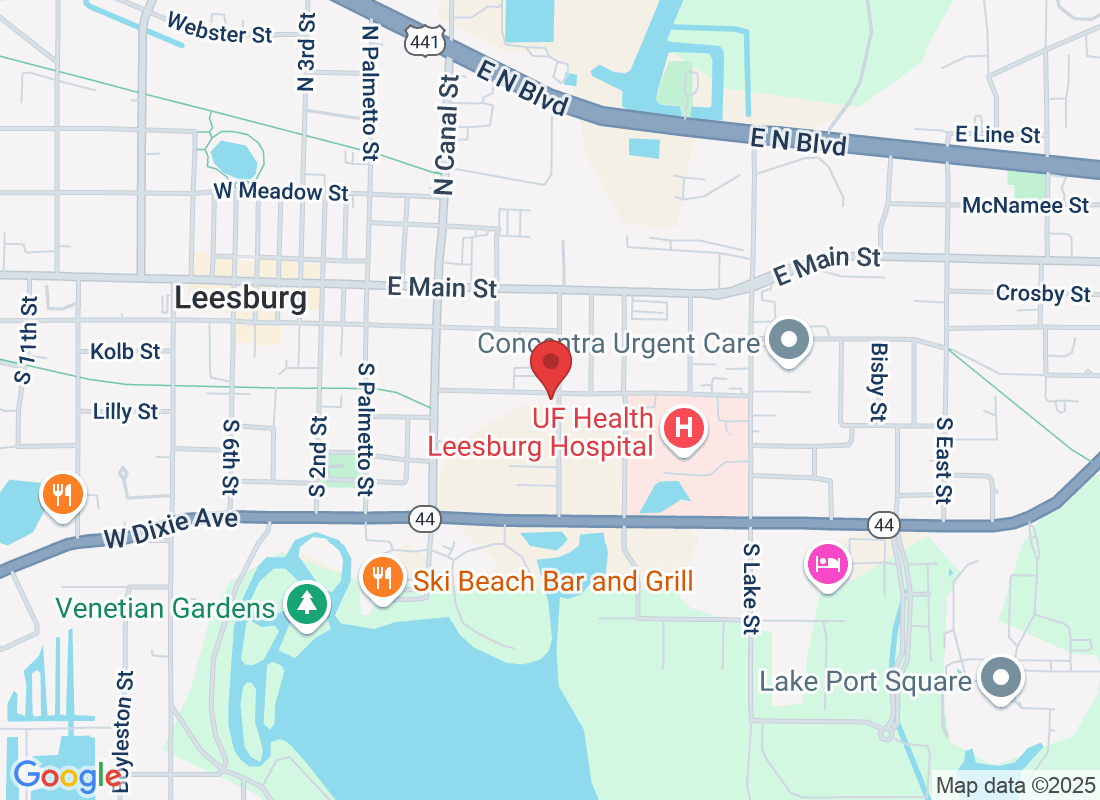
Welcome to the Center for Ankle and Foot Care, your trusted provider for nail treatments in Clermont and Leesburg, Florida. Healthy toenails are essential to overall foot health, and understanding common nail conditions can help you maintain optimal foot hygiene and prevent complications. In this article, we will cover various nail conditions, treatment options, and preventive measures you can take. Our aim is to provide you with comprehensive, evidence-based information to help you make informed decisions about your foot care.
What Causes Nail Disorders?
Nail disorders can arise from various factors including infections, injuries, and underlying health conditions. Common causes include:
- Fungal Infections: Onychomycosis is a prevalent condition that affects the nail bed and matrix, resulting in thickened, discolored nails.
- Ingrown Toenails: This painful condition occurs when the edges of the toenail grow into surrounding soft tissue, leading to inflammation and infection.
- Trauma: Injury to the nail can result in bruising, cracking, or even loss of the nail.
- Psoriasis: This autoimmune condition can affect the nails, causing pitting, discoloration, and separation from the nail bed.
- Paronychia: An infection of the skin around the nail, often caused by bacteria or fungi.
How Can I Treat Fungal Nail Infections?
Treating a fungal nail infection often requires a multifaceted approach. At the Center for Ankle and Foot Care, we recommend the following treatment options:
- Topical Antifungal Treatments: Over-the-counter creams and prescription medications can be effective for mild to moderate infections.
- Oral Antifungal Medications: For more severe cases, systemic antifungal medication like terbinafine may be prescribed, which requires a healthcare provider's supervision.
- Laser Therapy: This emerging treatment utilizes focused light to eliminate fungal cells within the nail.
- Nail Removal: In persistent cases, partial or total nail removal may be necessary for effective treatment.
What Are the Best Practices for Preventing Ingrown Toenails?
Ingrown toenails can be both painful and preventable. Here are strategies to minimize your risk:
- Proper Nail Trimming: Cut your toenails straight across; avoid rounded shapes which can encourage the nail to grow into the skin.
- Footwear Choices: Wear shoes that fit properly and give your toes enough room. Tight shoes can press nails into the skin.
- Routine Foot Care: Regularly inspect your feet for signs of ingrowth and keep them clean and dry.
What Should I Do if I Have an Ingrown Toenail?
If you suspect you have an ingrown toenail, early intervention is crucial. Here’s what you should do :
- Warm Water Soaks: Soaking your foot in warm, soapy water can help reduce swelling and relieve discomfort.
- Consult a Podiatrist: If the condition does not improve or worsens, seeking professional treatment is recommended.
- Antibiotic Treatment: A physician may prescribe antibiotics if there is a secondary infection.
When Should I Seek Professional Help for Nail Issues?
Not all nail conditions can be treated effectively at home. Seek professional help if:
- The nail is painful, swollen, or infected.
- There is a sudden change in nail color or texture.
- You experience persistent nail issues after home treatments.
- Underlying health conditions, such as diabetes, are present.
Frequently Asked Questions (FAQ)
1. How long does it take for antifungal treatment to work?
Treatment duration can vary. Topical treatments might take several weeks to months, while oral medications typically require about 3 months or more.
2. Are ingrown toenails hereditary?
Yes, ingrown toenails can have a genetic predisposition, with people having a family history of the condition having a higher likelihood of experiencing it.
3. Can nail fungus spread to other parts of the body?
Fungal infections can spread to neighboring toenails or, rarely, to other areas of the body. Maintaining cleanliness and proper hygiene can help mitigate this risk.
4. What are the signs of a nail infection?
Signs of nail infection can include redness, swelling, pain, pus discharge, or a foul odor around the affected nail.
5. Can I trim my nails if I have a fungal infection?
While you can trim your nails, ensure you use sterile equipment. Avoid cutting the infected area to prevent further injury or spreading the infection.
Conclusion
Proper nail care is essential to maintaining overall foot health. Whether you're dealing with a fungal infection, ingrown toenails, or any other nail condition, the Center for Ankle and Foot Care in Clermont and Leesburg, Florida, is here to help you navigate your treatment options. If you are experiencing any nail issues, don't hesitate to contact us. Schedule an appointment today through our booking link, and take the first step towards healthier nails and feet!