
Nail Restoration Without Surgery
Nail Restoration Without Surgery
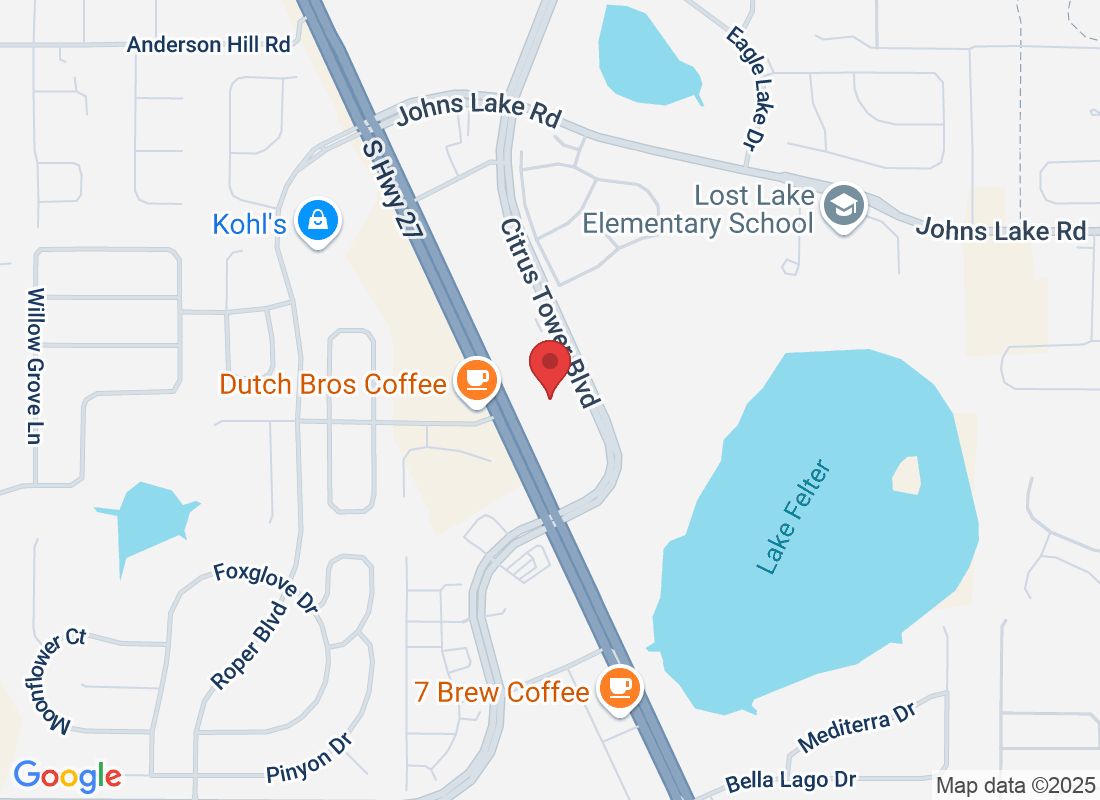
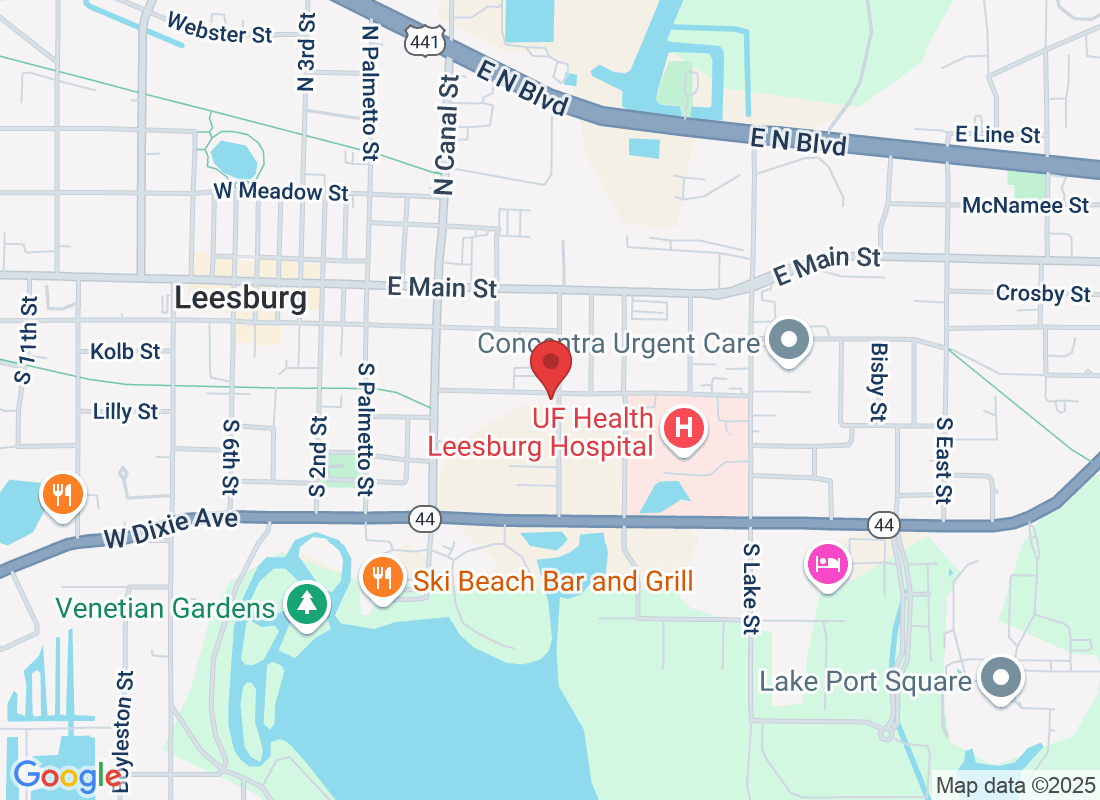
If you're struggling with damaged or ingrown toenails, you may feel disheartened by the possibility of surgical intervention. Fortunately, at the Center for Ankle and Foot Care in Clermont and Leesburg, Florida, we offer effective non-surgical options for nail restoration that can help restore both the appearance and function of your toenails.
What Causes Nail Damage?
Nail damage can occur for a variety of reasons, and understanding these causes is essential for selecting the appropriate treatment. Some common causes of nail damage include:
- Trauma: Injuries to the toes can lead to nail loss or deformity.
- Fungal Infections: Often characterized by discoloration, thickness, and brittleness, fungal infections can severely compromise nail health.
- Ingrown Toenails: This condition occurs when the sides of the nail grow into the surrounding skin, causing pain and potential infection.
- Psoriasis: A skin condition that can lead to changes in nails, including pitting and uneven edges.
- Improper Footwear: Wearing ill-fitting shoes can cause toe deformities and exacerbate nail issues.
How Can I Treat My Damaged Toenails Without Surgery?
At the Center for Ankle and Foot Care, we provide various non-surgical treatments tailored to the specific type of nail issue you are facing. Here are some of the most effective options:
1. Nail Bracing
Nail bracing is a non-invasive technique used to treat ingrown toenails. A small brace is applied to the nail surface, gently repositioning it as it grows. This method reduces discomfort and prevents the nail from digging into the surrounding skin.
2. Fungal Treatments
For toenails affected by fungal infections, our clinic may prescribe antifungal treatments, including topical solutions or oral medications, depending on the severity of the condition. Proper nail hygiene and regular monitoring are also critical in ensuring treatment effectiveness.
3. Nail Restoration Products
Various nail restoration products are available, which can help improve the appearance of damaged nails. These products often include ingredients that promote keratin production and enhance nail strength and appearance. Our trained staff can recommend the most suitable options for your specific condition.
4. Regular Nail Care
Practicing good nail hygiene can prevent further damage and support recovery. Regular trimming, cleaning, and moisturizing of the feet can significantly impact nail health. We recommend visiting our clinic for periodic evaluations and professional nail care advice.
5. Orthotics and Footwear Advice
Sometimes, the source of nail problems lies in improper footwear. Our podiatrists can analyze your gait and foot structure to prescribe custom orthotics if necessary. Wearing the right footwear can alleviate pressure on the toes and support overall foot health.
When Should I See a Podiatrist?
If you are experiencing persistent pain, swelling, or a visible change in your toenails, it is important to consult with a podiatrist. Conditions such as persistent ingrown toenails, severe fungal infections, or nail trauma often require professional assessment and treatment. At the Center for Ankle and Foot Care, our experienced podiatrists can provide individualized care tailored to your needs.
FAQ
1. Can I treat my ingrown toenails at home?
While minor cases may be managed at home with proper hygiene and care, persistent ingrown toenails typically require professional treatment to avoid complications.
2. How long does it take to see results from nail restoration?
Results vary based on the treatment method and the severity of the nail condition. Generally, nail restoration takes several weeks to a few months.
3. Are there any risks associated with non-surgical treatments?
Non-surgical treatments have minimal risks compared to surgery. However, it's always best to discuss any concerns with your podiatrist.
4. What should I do if my toenails become discolored?
Discolored toenails can indicate various underlying issues, including fungal infections. It’s advisable to consult a podiatrist for an accurate diagnosis.
5. How can I prevent future nail problems?
Maintaining good foot hygiene, wearing comfortable, well-fitting shoes, and scheduling regular check-ups with our clinic can significantly reduce the risk of future nail problems.
Getting Started with Nail Restoration
If you're tired of dealing with the frustration of damaged toenails and looking for effective, non-surgical solutions, the Center for Ankle and Foot Care in Clermont and Leesburg, Florida is here to help. Our expert team will work with you to develop a personalized treatment plan that addresses your unique needs.
Don’t let nail problems hold you back any longer. Schedule your appointment today and start your journey toward healthier, more beautiful toenails!