
Leesburg’s Favorite Fixes for Calluses That Keep Coming Back
Leesburg’s Favorite Fixes for Calluses That Keep Coming Back
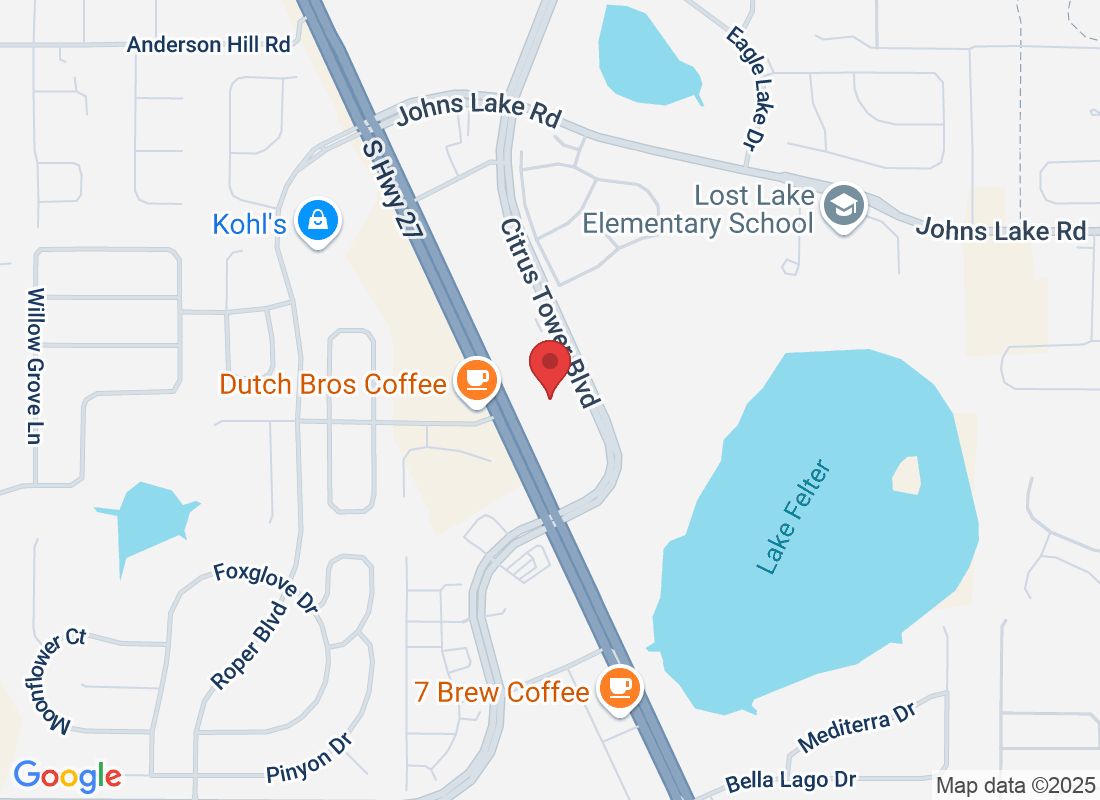
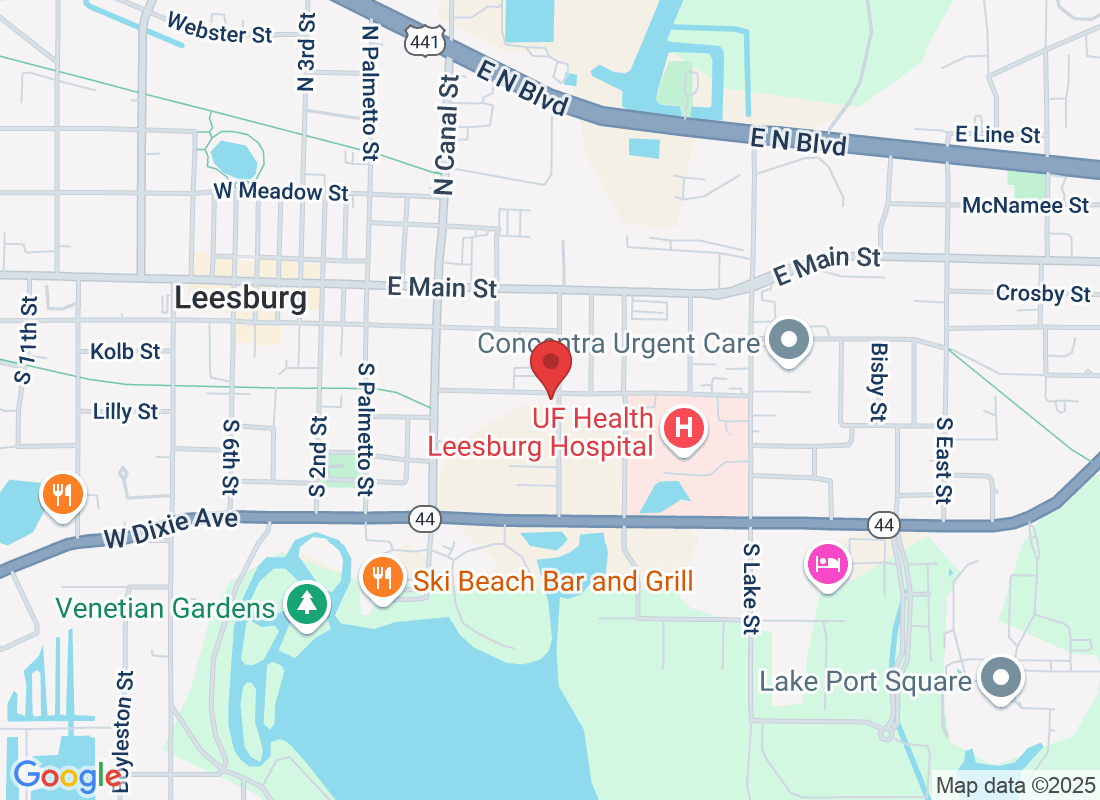
Welcome to the Center for Ankle and Foot Care, your trusted podiatry clinic serving Clermont and Leesburg, Florida. Today, we explore the common yet troublesome issue of calluses. While they may seem harmless, recurring calluses can indicate underlying foot problems and affect your overall well-being. Let's delve into the causes, treatments, and preventative measures to keep those calluses at bay.
What Are Calluses?
Calluses are thickened areas of skin that develop as a protective response to pressure or friction. Typically found on the soles of the feet or the toes, they can become uncomfortable or painful if left untreated. Understanding the anatomy of the foot, including the dermis and epidermis layers, helps to explain why certain areas become calloused.
What Causes Calluses?
Various factors contribute to the formation of calluses:
- Foot Structure: Conditions like flat feet or high arches can lead to uneven weight distribution, triggering callus development.
- Improper Footwear: Shoes that are too tight or too loose can create friction against the skin, leading to callus formation.
- Repetitive Activities: Occupations or hobbies that involve extensive walking or standing can also exacerbate the problem.
- Medical Conditions: Diabetes and eczema can affect skin integrity and lead to increased callus development.
How Can I Treat Calluses Effectively?
Treating calluses involves multiple strategies to alleviate and prevent recurrence:
1. At-Home Remedies
Consider these home treatments:
- Soaking: Regularly soaking your feet in warm, soapy water helps soften calluses, making them easier to remove.
- Pumice Stone: Gently exfoliating callused areas with a pumice stone or foot file can help remove dead skin. Aim to do this after soaking your feet.
- Moisturizing: Applying thick creams or lotions specifically designed for foot care keeps the skin hydrated and reduces the hardness of calluses.
2. Over-the-Counter Treatments
Look for products containing:
- Salicylic Acid: This exfoliating agent helps in dissolving the thickened skin of calluses.
- Medicated Pads: These can provide cushioning and aid in the gradual removal of callus tissue.
3. Professional Treatments
If home remedies are ineffective, professional intervention may be necessary:
- Podiatrist Visit: A visit to our clinic will ensure proper diagnosis and treatment. We may recommend professional debridement, where excess skin is carefully removed.
- Orthotics: If structural issues are the cause, custom orthotics can help redistribute weight and reduce friction.
How Can I Prevent Calluses From Recurring?
Preventing calluses involves proactive steps:
- Wear Proper Footwear: Choose shoes that provide adequate support, cushioning, and fit well to minimize friction.
- Regular Foot Care: Establishing a routine for foot hygiene and care can help to keep your feet healthy.
- Footwear Inserts: Considering gel pads or other inserts can provide additional cushioning and reduce pressure on susceptible areas.
When Should I See a Podiatrist?
If calluses are painful, bleed, or show signs of infection, it is crucial to seek professional advice. Additionally, for individuals with diabetes or poor circulation, any foot changes should prompt an immediate visit to a specialist.
Frequently Asked Questions (FAQ)
1. Are calluses dangerous?
While calluses themselves aren’t typically harmful, they can lead to complications like pain or infection if neglected, particularly in individuals with diabetes or circulatory issues.
2. Can I get rid of calluses permanently?
While treatment can significantly reduce calluses, lifestyle changes concerning footwear and foot care are necessary to prevent them from recurring.
3. Is it safe to remove calluses at home?
Yes, but it’s important to be gentle. Over-removal or aggressive scraping can lead to injury and infection. Always follow best practices.
4. How long does it take to heal a callus?
The healing time varies depending on treatment methods and personal health. Regular care can result in improvements within a few weeks.
5. What should I do if my calluses are very painful?
If you experience significant discomfort, it’s advisable to consult with a podiatrist. They can provide tailored treatments to alleviate your symptoms.
For expert advice and personalized care, the Center for Ankle and Foot Care in Clermont and Leesburg, Florida, is here to help. Don't let calluses hinder your comfort any longer; book your appointment today!