Leesburg Foot Experts Share the Truth About Cracked Heels
Introduction
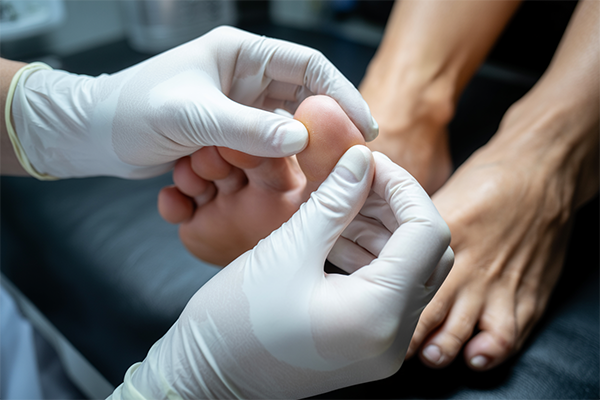
Cracked heels, often known as heel fissures, are a common foot condition that can cause discomfort and embarrassment. At the Center for Ankle and Foot Care located in Clermont and Leesburg, Florida, our foot experts understand the importance of healthy feet. In this blog post, we’ll delve into the truth about cracked heels, including their causes, prevention strategies, and effective treatments.
What Causes Cracked Heels?
Cracked heels can arise from a variety of factors, including:
- Dry Skin: Especially common in individuals with dry skin, which can be exacerbated by weather conditions or prolonged exposure to water.
- Weight Gain: Increased body weight puts extra pressure on the heels, leading to deeper cracks.
- Footwear: Inappropriate footwear that lacks proper support and cushioning can contribute to heel fissures.
- Medical Conditions: Conditions such as diabetes, psoriasis, eczema, and hypothyroidism increase vulnerability to cracked heels.
- Poor Foot Hygiene: Neglecting regular foot care can lead to skin build-up and a lack of moisture.
How Can I Treat Cracked Heels?
Treating cracked heels involves a combination of at-home remedies and professional interventions, particularly if the condition is severe. Here are effective treatment methods:
- Moisturizing: Use thick moisturizing creams or ointments containing ingredients like urea, glycerin, or shea butter. Applying these after bathing can lock in moisture.
- Exfoliation: Gently removing dead skin using a pumice stone or foot scrub can prevent the buildup that leads to cracks.
- Soaking: Soaking your feet in warm, soapy water for about 20 minutes can help soften the skin. Follow with moisturizing treatment.
- Footwear Changes: Consider wearing supportive, cushioned shoes that fit well and protect your heels.
- Medical Treatments: For persistent and severe cases, visit the Center for Ankle and Foot Care for professional guidance. We can prescribe medicated creams or recommend additional therapies.
Can Cracked Heels Lead to Complications?
While cracked heels are often a minor inconvenience, they can lead to more serious complications if not addressed. Possible complications include:
- Infections: Deep cracks can provide an entry point for bacteria and fungi, leading to infections.
- Pain and Discomfort: Walking and standing may become painful, affecting your overall mobility.
- Bleeding: Severe cracks can bleed, which may exacerbate discomfort and risk of infection.
How Can I Prevent Cracked Heels?
Prevention is key when it comes to maintaining healthy feet. Here are some proactive steps:
- Regular Moisturization: Apply moisturizer daily to maintain skin integrity.
- Footwear Awareness: Choose shoes that fit well and provide proper arch support to reduce heel pressure.
- Maintain Hydration: Drinking enough water keeps your skin hydrated from the inside out.
- Healthy Diet: A balanced diet rich in vitamins and minerals supports skin health.
- Regular Foot Care: Make it a habit to inspect and care for your feet regularly.
Frequently Asked Questions (FAQ)
1. How can I tell if my cracked heels are serious?
If you experience pain, bleeding, or signs of infection (such as redness or swelling), it is essential to seek medical attention from a podiatrist.
2. Are there specific products recommended for cracked heels?
Look for products specifically designed for foot care, especially those containing urea or lactic acid for effective moisturizing properties.
3. Can cracked heels be a sign of a more serious condition?
In some cases, cracked heels can indicate underlying health issues like diabetes or skin conditions like psoriasis, so consult our specialists if you have concerns.
4. How often should I exfoliate my feet?
Exfoliating your feet 1-2 times a week can help prevent dead skin buildup without overdoing it, which may lead to irritation.
5. Is it safe to treat cracked heels at home?
Yes, home treatments can be effective, but you should consult a podiatrist at the Center for Ankle and Foot Care if there are concerning symptoms or if home methods do not yield results.
Conclusion
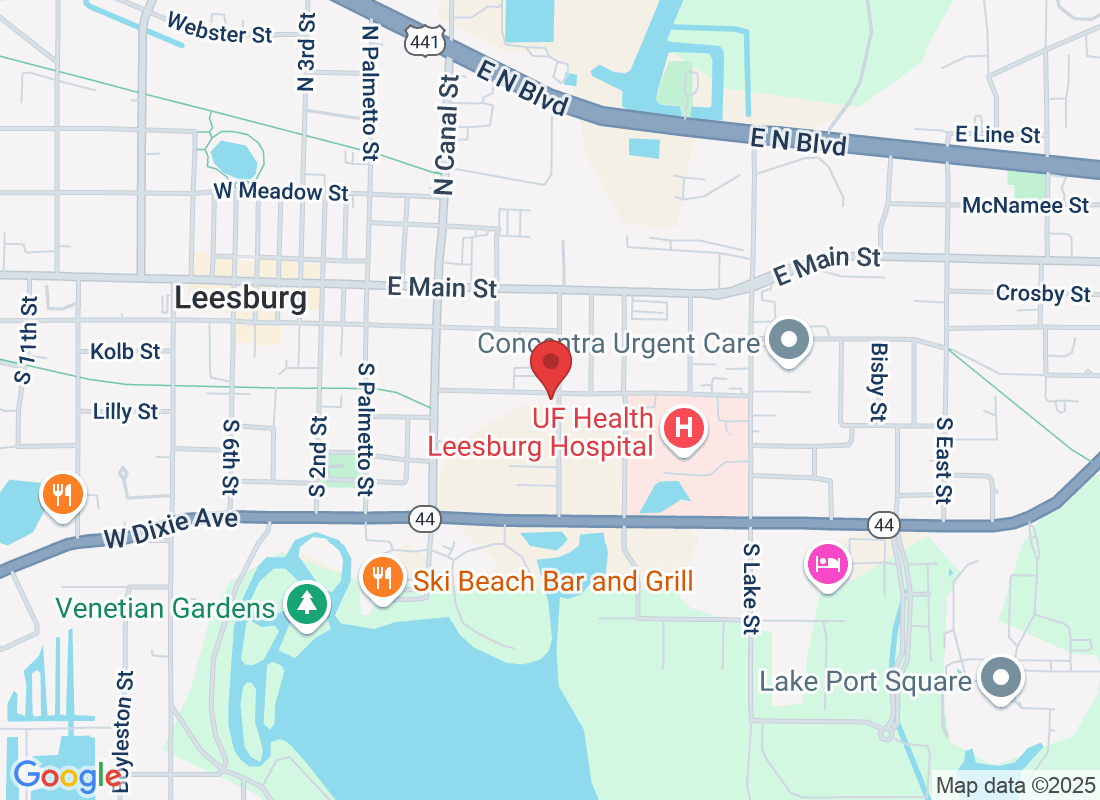
Cracked heels are a common but treatable condition. Understanding their causes, implementing preventive measures, and seeking professional help when necessary can enhance your foot health. If you’re struggling with cracked heels or want personalized advice, the Center for Ankle and Foot Care is here for you. Located in Clermont and Leesburg, Florida, our team of experts is dedicated to providing quality care.
Book an appointment today to take the first step towards healthier feet!