
Ingrown Toenails and Nail Edge Pressure
Understanding Ingrown Toenails and Nail Edge Pressure
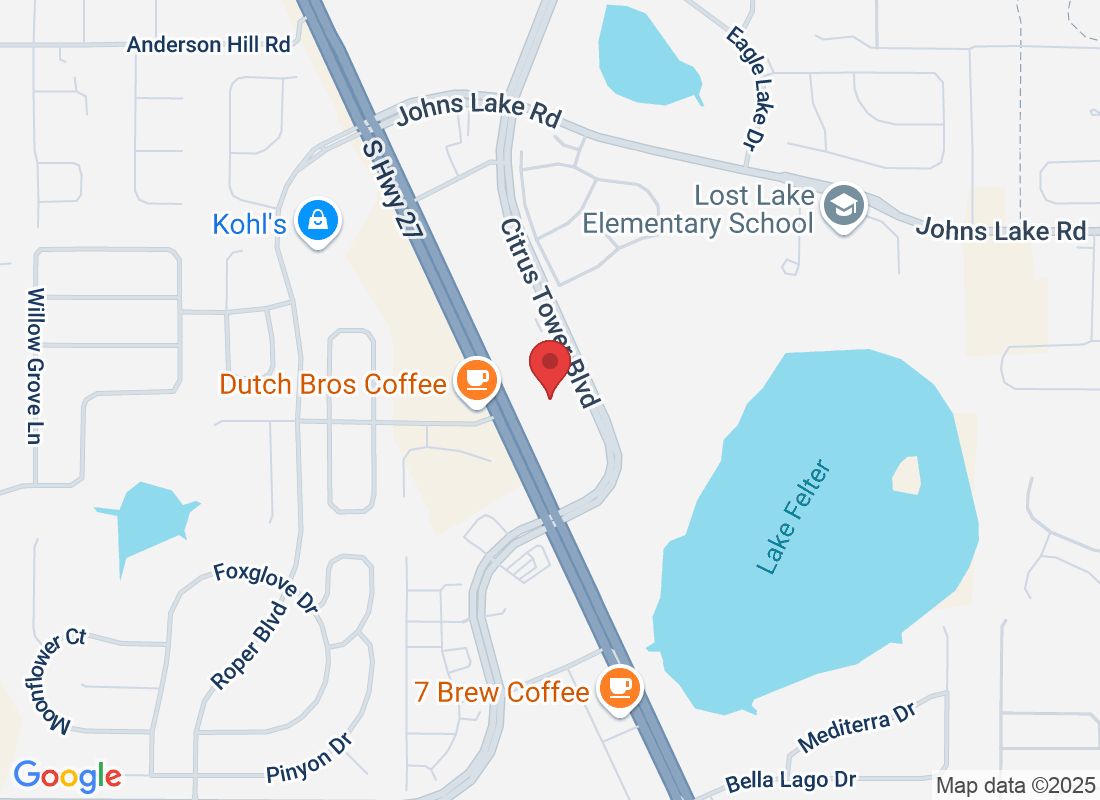
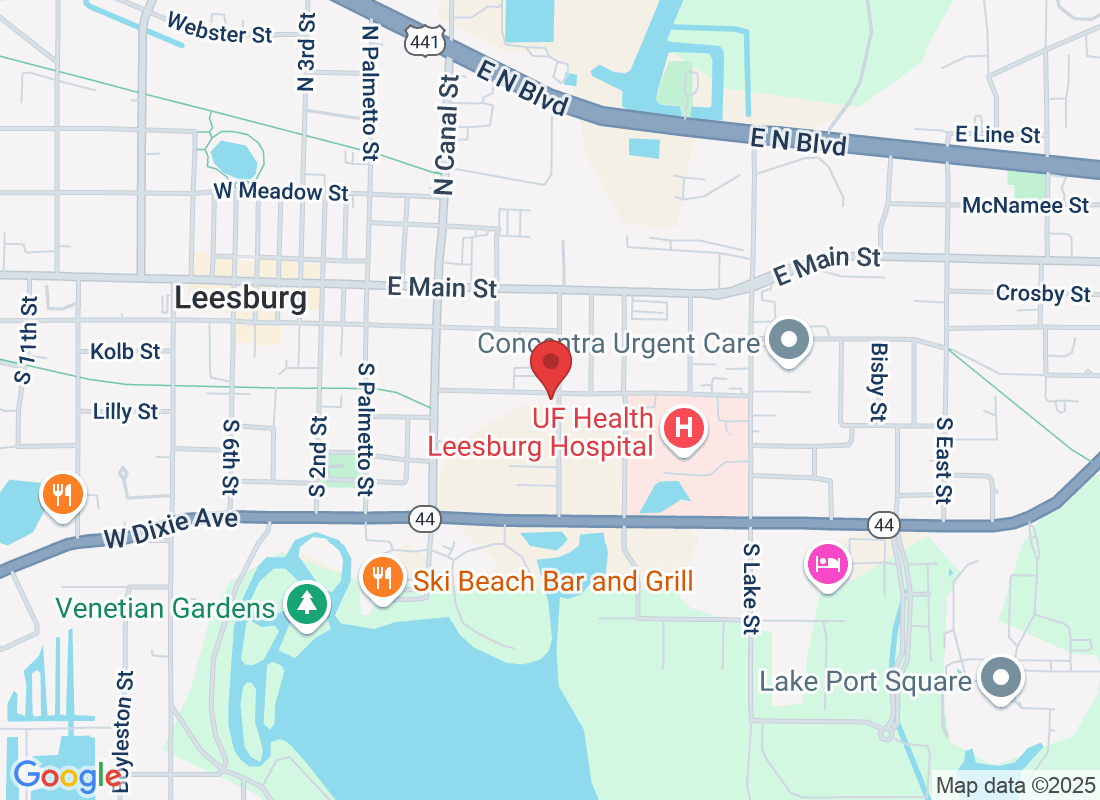
At the Center for Ankle and Foot Care in Clermont and Leesburg, Florida, we understand how ingrown toenails can impact your daily life. This common foot condition occurs when the edge of a toenail grows into the surrounding skin, leading to discomfort and potential complications. Recognizing the causes, symptoms, and treatments is essential to alleviating this painful condition.
What Causes Ingrown Toenails?
Ingrown toenails are primarily caused by a combination of factors, including:
- Poor Nail Trimming: Cutting toenails too short or rounding the edges can encourage ingrowth.
- Footwear Choices: Wearing tight shoes that compress the toes can exert pressure on the nail edge.
- Genetics: Some individuals have a hereditary tendency to develop ingrown toenails due to the shape of their nails.
- Toe Injuries: Trauma to the toenail, such as stubbing or repeated impact, can lead to ingrowth.
- Medical Conditions: Diabetes, fungal infections, and other conditions can affect nail growth and health.
What Are the Symptoms of Ingrown Toenails?
Patients may experience various symptoms associated with ingrown toenails, including:
- Pain and tenderness along the side of the nail.
- Redness and swelling around the affected area.
- Pus or drainage if an infection occurs.
- Difficulty wearing shoes or walking comfortably.
How Can I Treat Ingrown Toenails?
Treatment for ingrown toenails often depends on the severity of the condition:
- Home Remedies: Soaking the foot in warm, soapy water can provide relief. Following up with antiseptic and proper nail trimming can also help.
- Over-the-Counter Pain Relief: Nonsteroidal anti-inflammatory drugs (NSAIDs) like ibuprofen can manage pain and reduce inflammation.
- Medical Intervention: If symptoms persist or worsen, it’s important to consult a podiatrist. Treatments may include:
- Partial Nail Removal: In more severe cases, a podiatrist may recommend a minor surgical procedure to remove part of the nail.
- Antibiotics: If an infection is present, antibiotics may be necessary to clear it up.
How Can I Prevent Ingrown Toenails?
Preventing ingrown toenails is often achievable through a few simple practices:
- Proper Nail Trimming: Cut toenails straight across rather than rounding the corners.
- Wear the Right Footwear: Choose shoes that allow ample room for your toes to move freely.
- Maintain Foot Hygiene: Keeping your feet clean and dry can help prevent infections.
When Should I See a Doctor?
If you experience severe pain, signs of infection (swelling, redness, or discharge), or if the issue persists despite home treatment, it’s time to consult a podiatrist at the Center for Ankle and Foot Care. Early intervention can prevent complications like chronic pain or nail deformities.
Frequently Asked Questions (FAQ)
1. How can I tell if my toenail is ingrown?
Common signs include pain, redness, swelling, and possible drainage around the toenail edge.
2. Can ingrown toenails resolve on their own?
Small cases may resolve with home remedies, but persistent issues usually require professional treatment.
3. Will I need surgery for an ingrown toenail?
Not all cases require surgery; however, if conservative treatments fail, a podiatrist may recommend a partial nail avulsion.
4. Is it painful to have an ingrown toenail treated?
Most treatments are performed under local anesthesia, so discomfort is minimal during the procedure.
5. How can I prevent ingrown toenails from recurring?
Proper nail care, wearing the right shoes, and maintaining good foot hygiene are key to preventing recurrence.
Visit us at the Center for Ankle and Foot Care for expert care in treating ingrown toenails and other foot conditions. Our experienced team in Clermont and Leesburg, Florida, is here to help you achieve optimal foot health. Book your appointment today!