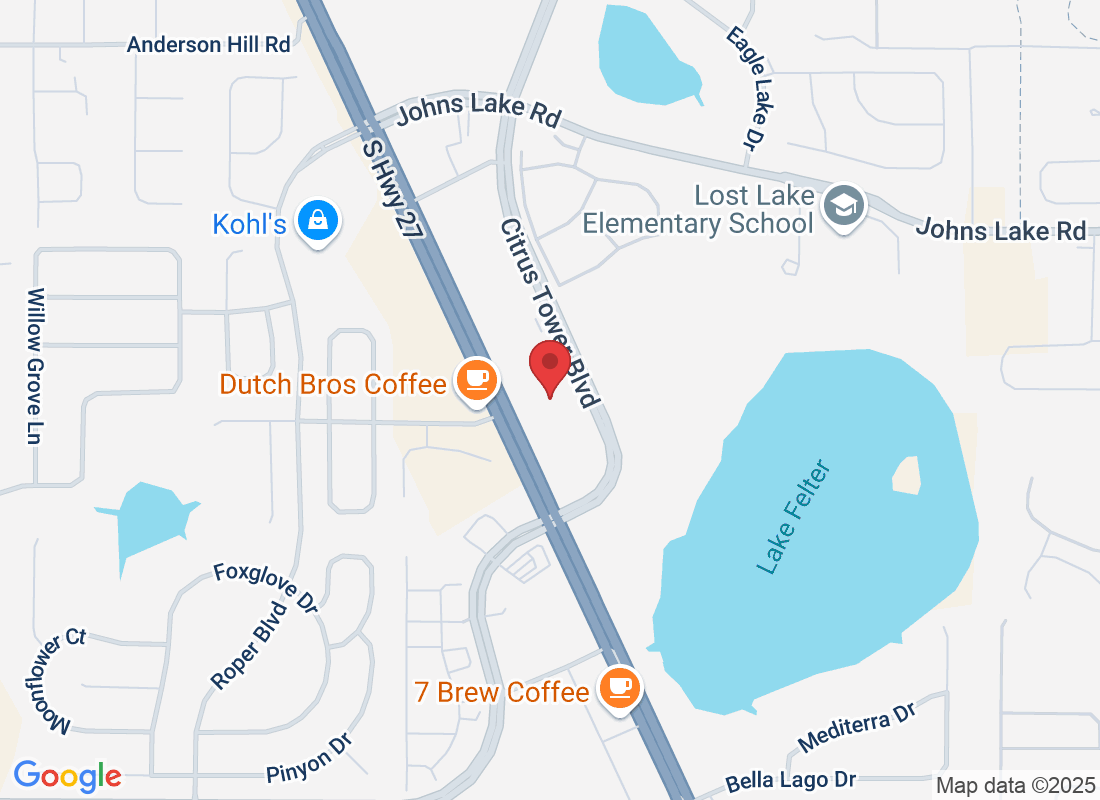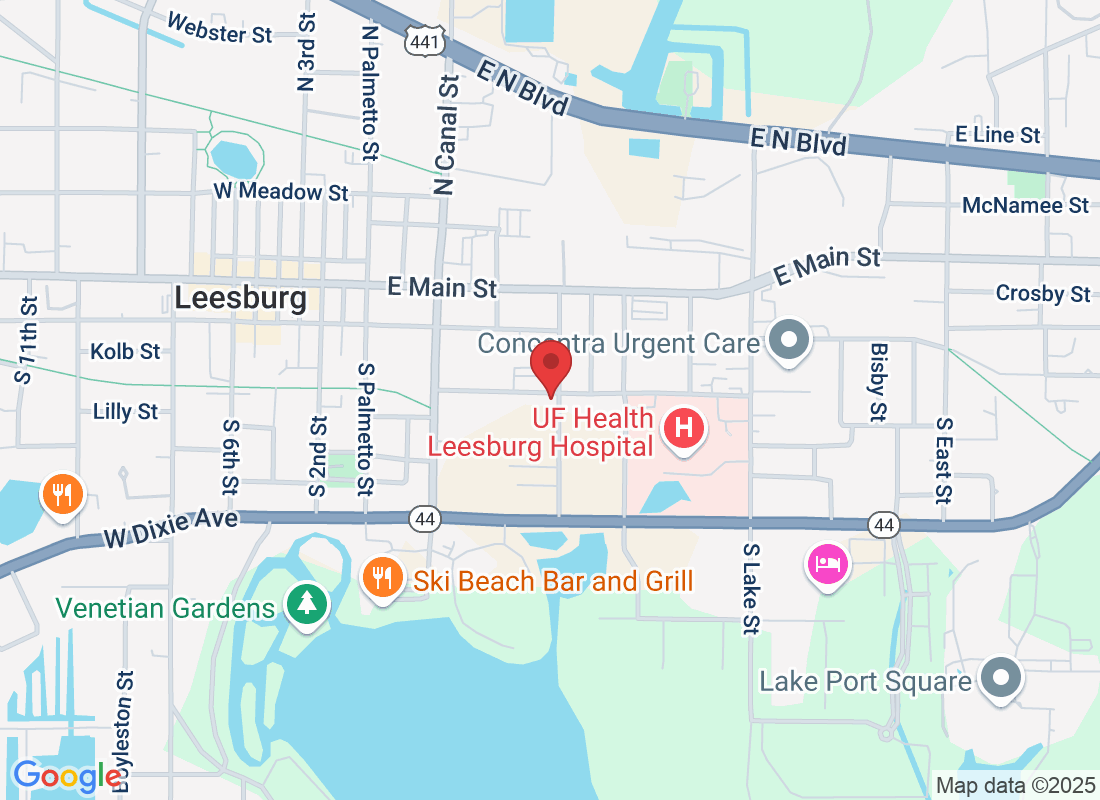

Ingrown Toenail Treatment in Clermont & Leesburg, Florida: When Home Care Isn’t Enough
Ingrown Toenail Treatment in Clermont & Leesburg, Florida: When Home Care Isn’t Enough
Ingrown toenails are a common foot condition that can cause significant discomfort and pain. For residents of Clermont and Leesburg, Florida, the Center for Ankle and Foot Care is here to help. Understanding the causes, symptoms, and treatment options for ingrown toenails can empower you to take action before the condition worsens. While home care can be effective in some cases, professional intervention is often necessary to prevent complications.
What Causes Ingrown Toenails?
Ingrown toenails occur when the edges or corners of a toenail grow into the surrounding skin. This condition can lead to inflammation, pain, and infection. Common causes include:
- Poor Nail Care: Improper trimming, such as rounding the edges of the toenail, can increase the likelihood of ingrowth.
- Ill-Fitting Footwear: Shoes that are too tight or narrow can push the toenail into the skin.
- Trauma: Injury to the toenail, such as dropping something on it or stubbing your toe, can trigger ingrowth.
- Genetic Factors: Some individuals may inherit a tendency to develop ingrown toenails.
- Fungal Infections: Conditions like fungal nail infections can alter the structure of the nail, leading to ingrowth.
What Are the Symptoms of Ingrown Toenails?
Recognizing the symptoms of ingrown toenails is vital for prompt treatment. Common symptoms include:
- Pain and tenderness along the side of the toenail
- Redness and swelling around the affected area
- Discharge of pus or blood from the site
- Thickening or discoloration of the nail
- Formation of a callus around the ingrown portion
How Can I Treat Ingrown Toenails at Home?
While professional treatment is often required, some mild cases of ingrown toenails can be managed at home. Here are a few home care tips:
- Soak Your Foot: Soaking your foot in warm, soapy water for 15-20 minutes can reduce swelling and alleviate pain.
- Use Antiseptic: Applying an over-the-counter antiseptic can help prevent infection.
- Wear Comfortable Shoes: Choose shoes that fit well and provide ample room for your toes.
- Lift the Nail Edge: Gently lifting the ingrown nail with a clean cotton ball can encourage it to grow above the skin.
However, if pain persists or symptoms worsen, it’s essential to seek professional help at the Center for Ankle and Foot Care in Clermont and Leesburg.
When Should I See a Podiatrist?
There are several indicators that it’s time to seek professional care:
- If the pain is severe and not relieved by home care
- Signs of infection, such as increased redness, warmth, or pus discharge
- Recurrence of ingrown toenails despite home treatment
- Persistent swelling around the toe
- If you have diabetes or circulatory issues, as these conditions can complicate foot problems
What Are the Professional Treatment Options?
At the Center for Ankle and Foot Care, our podiatrists offer several treatment options for ingrown toenails, depending on the severity of the condition:
- Partial Nail Avulsion: In cases of persistent ingrown toenails, a portion of the nail may be surgically removed to allow the nail to grow correctly.
- Full Nail Avulsion: For severe or recurring cases, complete removal of the nail may be necessary.
- Matrixectomy: This procedure involves removing a part of the nail matrix (the tissue under the base of the nail) to prevent future ingrown nails.
- Antibiotics: If an infection is present, oral or topical antibiotics may be prescribed.
How to Prevent Ingrown Toenails?
Prevention is always preferable to treatment. Here are some tips to reduce your risk of developing ingrown toenails:
- Trim toenails straight across, avoiding curved cuts.
- Choose well-fitted shoes with adequate room for your toes.
- Practice good foot hygiene, keeping feet clean and dry.
- Avoid injuries by being cautious during activities that pose a risk to your feet.
FAQs
1. Can I treat ingrown toenails at home?
While mild cases may be treated at home with soaking and proper nail care, see a podiatrist if pain or signs of infection occur.
2. What can happen if an ingrown toenail is left untreated?
If left untreated, ingrown toenails can lead to severe pain, infections, and even the necessity for more complex surgical procedures.
3. Are there any risks associated with ingrown toenail surgery?
As with any surgical procedure, there are risks such as infection, bleeding, or regrowth issues, which will be discussed with you by your podiatrist.
4. How long does recovery take after ingrown toenail surgery?
Recovery times vary depending on the procedure performed and individual healing rates, but most patients can return to normal activities within a week.
5. Is it possible to prevent ingrown toenails entirely?
While not always possible, following proper nail care practices and wearing appropriate footwear can significantly reduce your risk.
If you're experiencing symptoms of an ingrown toenail or require professional treatment, don’t hesitate to contact the Center for Ankle and Foot Care. Our experienced team is here to help you find relief and get back to your daily activities. Schedule your appointment by clicking here.