
Ingrown Toenail Correction Techniques
Understanding Ingrown Toenails
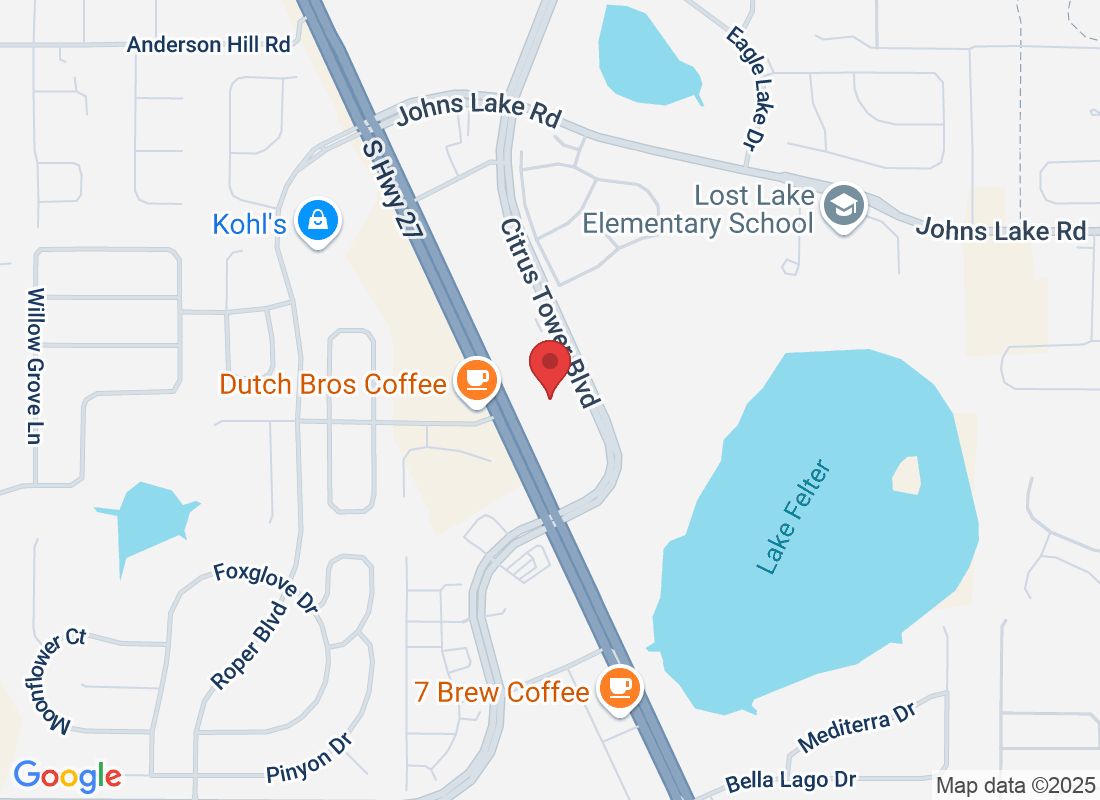
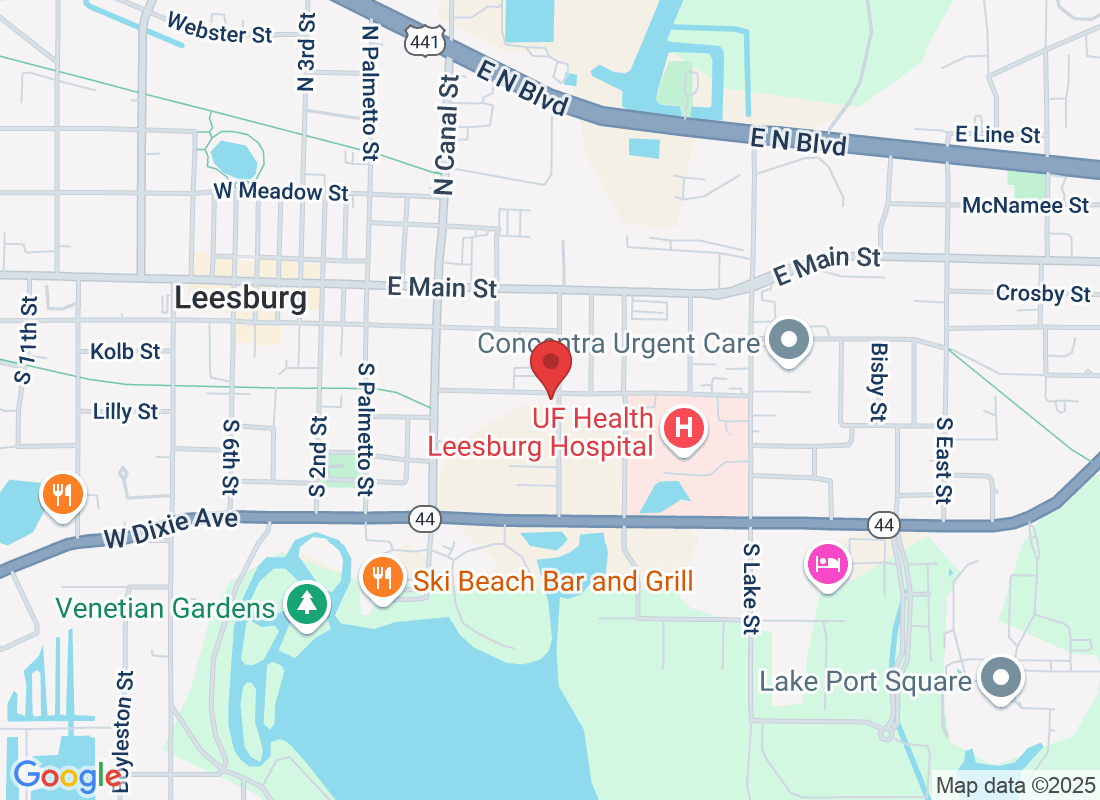
Ingrown toenails, also known as onychocryptosis, occur when the edges of a toenail grow into the surrounding skin, causing pain, swelling, and sometimes infection. At the Center for Ankle and Foot Care, located in Clermont and Leesburg, Florida, we specialize in diagnosing and treating this common foot condition. In this article, we will explore the causes, symptoms, and correction techniques for ingrown toenails.
What Causes Ingrown Toenails?
Several factors can contribute to the development of ingrown toenails, including:
- Poor Nail Trimming: Cutting toenails too short or rounding the edges can lead to the nail growing into the skin.
- Footwear: Tight shoes or socks can place excess pressure on the toes, increasing the risk of ingrown nails.
- Genetics: Some individuals have a hereditary tendency to develop curved toenails.
- Injury: Trauma to the toe, such as stubbing or repetitive pressure, can cause the nail to grow improperly.
- Fungal Infections: Conditions like toenail fungus can alter the nail growth direction.
What Are the Symptoms of an Ingrown Toenail?
Patients may experience a range of symptoms, including:
- Pain and tenderness along the side of the toenail
- Redness and swelling in the surrounding skin
- Infection, which may present as pus or discharge
- Granulation tissue forming around the nail
How Can I Treat an Ingrown Toenail at Home?
While professional medical treatment is often necessary, there are several home remedies that can help alleviate symptoms:
- Soak Your Foot: Soaking your foot in warm, soapy water can reduce swelling and relieve pain. Aim for 15-20 minutes, several times a day.
- Proper Nail Care: Ensuring your toenails are properly trimmed straight across can prevent worsening of the condition.
- Wear Comfortable Footwear: Opt for shoes that allow for ample toe room and avoid tight-fitting footwear.
- Antiseptic Treatment: Applying an antiseptic and covering the toe may help prevent infection while it heals.
When Should I See a Podiatrist?
If you experience severe pain, signs of infection (such as increased redness, swelling, or pus), or if your ingrown toenail does not improve with home treatment, it is essential to consult a healthcare professional. At the Center for Ankle and Foot Care, our podiatrists can provide a thorough assessment and recommend appropriate interventions.
Ingrown Toenail Correction Techniques
Our clinic offers several effective treatment options for ingrown toenails, depending on the severity of the condition:
- Partial Nail Avulsion: This minor surgical procedure involves removing a small section of the ingrown nail to relieve pressure and pain. It is commonly performed under local anesthesia.
- Matrixectomy: For recurrent ingrown toenails, a matrixectomy may be necessary, where the entire nail and surrounding tissue are removed to prevent regrowth.
- Antibiotics: In cases of infection, oral or topical antibiotics may be prescribed to manage bacteria and promote healing.
- Podiatric Advice: Our specialists will provide guidance on proper nail trimming techniques and recommend suitable footwear to prevent recurrence.
Preventing Ingrown Toenails
To reduce the likelihood of developing ingrown toenails in the future, consider the following preventive measures:
- Practice proper nail trimming (straight across, not too short)
- Wear well-fitted shoes that provide adequate space for the toes
- Keep feet clean and dry, particularly between toes
- Address any foot injuries promptly with professional advice
FAQ About Ingrown Toenails
1. Can I treat an ingrown toenail myself?
While minor cases can sometimes be managed at home, it is advisable to see a podiatrist for persistent or severe symptoms.
2. What should I do if my ingrown toenail is infected?
Seek medical attention promptly. Signs of infection include increased redness, swelling, and pus.
3. Is it normal for ingrown toenails to keep returning?
Chronic ingrown toenails may require a formal procedure, such as a matrixectomy, to prevent future problems.
4. How long does recovery take after ingrown toenail surgery?
Recovery varies by procedure, but most patients experience significant improvement within a few weeks.
5. Can my ingrown toenail affect my overall foot health?
Yes, untreated ingrown toenails can lead to complications, including chronic pain and infections that may affect overall mobility.
Conclusion
Ingrown toenails can be a painful and persistent problem, but with the right treatment and care, relief is possible. At the Center for Ankle and Foot Care in Clermont and Leesburg, Florida, we focus on providing effective, personalized care for all our patients. If you're struggling with an ingrown toenail, don’t hesitate to reach out. Book an appointment today and take the first step towards healthy, pain-free feet!