Heel Treatment Options in Clermont and Leesburg
Understanding Heel Pain and Treatment Options
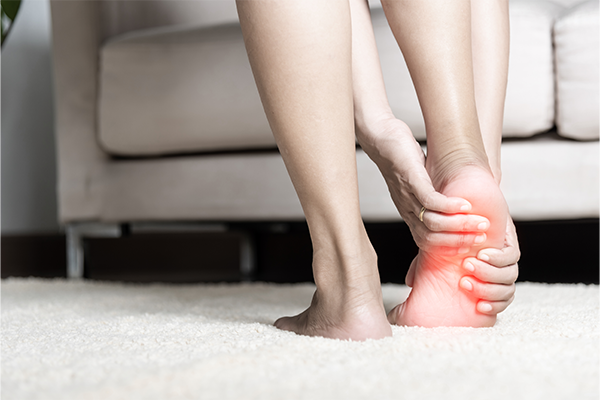
If you are experiencing heel pain in Clermont or Leesburg, Florida, you are not alone. Heel pain can stem from various conditions, and effective treatment options are available at the Center for Ankle and Foot Care. Understanding the causes and potential remedies can aid in managing your symptoms and improving your quality of life.
What Causes Heel Pain?
Heel pain can arise from various conditions affecting the foot’s anatomy, including:
- Plantar Fasciitis: A common cause of heel pain, plantar fasciitis occurs when the plantar fascia – a thick band of tissue that runs along the bottom of your foot – becomes inflamed.
- Achilles Tendinitis: This condition involves inflammation of the Achilles tendon, which connects the calf muscles to the heel bone. It can lead to pain in the back of the heel.
- Heel Spurs: Bone growth on the underside of the heel bone can lead to spurs, which may cause pain when walking or standing.
- Bursitis: Inflammation of the bursa, a small fluid-filled sac that reduces friction between tissues, can cause heel pain, particularly in the back of the heel.
- Stress Fractures: Small cracks in the heel bone due to overuse or excessive stress can lead to significant pain.
How Can I Treat Heel Pain?
The treatment of heel pain varies based on the underlying cause. Here are some effective treatment options available at the Center for Ankle and Foot Care:
Conservative Treatment Options
- Rest and Ice: Taking a break from weight-bearing activities and applying ice can reduce inflammation.
- Stretching Exercises: Specific stretching exercises for the calf and plantar fascia can help alleviate tension and pain.
- Orthotic Devices: Custom orthotics may provide proper arch support, reducing strain on the heel.
- Nonsteroidal Anti-Inflammatory Drugs (NSAIDs): Over-the-counter medications such as ibuprofen can help manage pain and inflammation.
Physical Therapy
Physical therapy is often recommended to strengthen the muscles and improve flexibility around the heel and foot, aiding in recovery and pain reduction. A licensed physical therapist can develop a personalized exercise program.
Advanced Treatment Options
- Corticosteroid Injections: For severe pain not relieved by conservative treatments, corticosteroid injections may reduce inflammation and provide relief.
- Extracorporeal Shock Wave Therapy: This non-invasive treatment uses sound waves to stimulate healing in the affected area.
- Surgery: In rare cases, surgical options may be necessary to address conditions like heel spurs or persistent plantar fasciitis. A consultation with a foot and ankle specialist can determine the best course of action.
How Can I Prevent Heel Pain?
Preventing heel pain involves a couple of lifestyle changes and habits:
- Wear Supportive Shoes: Choose shoes that provide good arch support and cushioning. Avoid walking barefoot or in flip-flops for extended periods.
- Maintain a Healthy Weight: Excess weight can increase stress on the heels, leading to pain.
- Gradually Increase Activity Levels: If you're starting a new exercise program, increase your activity level gradually to prevent injury.
When Should I See a Podiatrist?
If heel pain persists for more than a few days, or if you experience severe pain, swelling, or difficulty walking, it is advisable to see a podiatrist. At the Center for Ankle and Foot Care in Clermont and Leesburg, our experienced professionals can evaluate your condition and recommend appropriate treatment options.
Frequently Asked Questions (FAQ)
1. What is the most common cause of heel pain?
The most common cause of heel pain is plantar fasciitis, characterized by inflammation of the plantar fascia.
2. How long does it take to recover from heel pain?
Recovery time varies by condition and individual factors, but many patients can expect to see improvement within a few weeks after beginning treatment.
3. Can shoe type affect heel pain?
Yes, improper shoe choice can exacerbate heel pain. Supportive shoes with good arch support are essential for preventing and alleviating pain.
4. Is surgery always necessary for heel pain?
No, most heel pain cases can be effectively managed with conservative treatments. Surgery is only considered when other options have failed.
5. Are there specific exercises that can help with heel pain?
Yes, specific stretching and strengthening exercises targeting the calf and plantar fascia can alleviate pain and improve healing. A podiatrist can recommend appropriate exercises.
Contact Us Today
If you suffer from heel pain and live in Clermont or Leesburg, Florida, don’t let it limit your life. At the Center for Ankle and Foot Care, we provide comprehensive evaluations and personalized treatment options tailored to your needs. Book an appointment today!