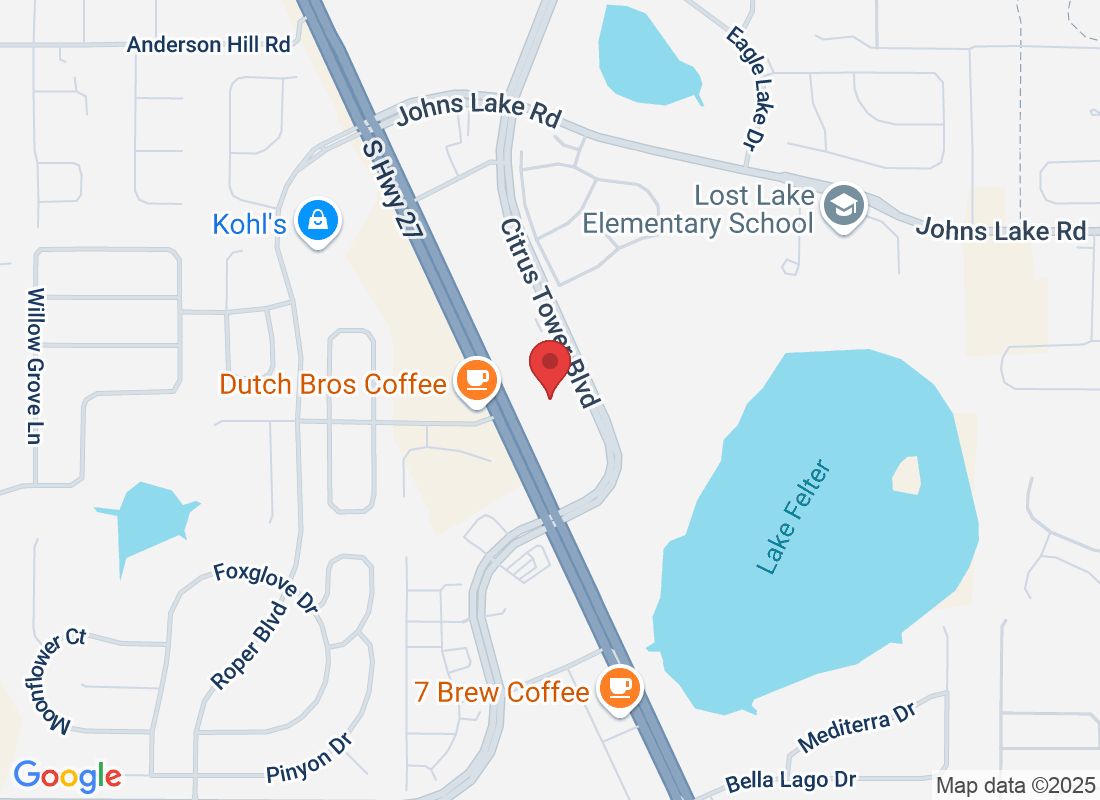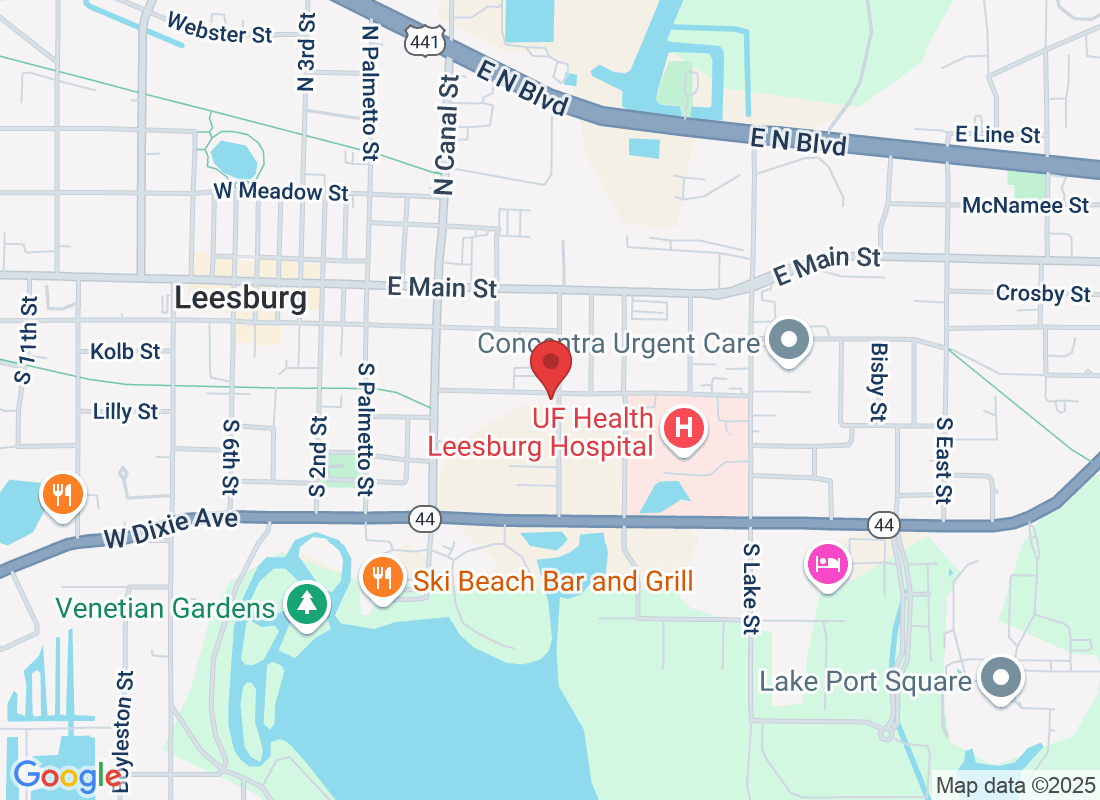

Heel Pain Treatments in Clermont and Leesburg
Understanding Heel Pain: Common Causes and Treatments
If you live in Clermont or Leesburg, Florida, and are struggling with heel pain, you’re not alone. The Center for Ankle and Foot Care is here to help you understand the causes of heel pain and the most effective treatments available. Heel pain can significantly impact your daily life, making it essential to seek proper diagnosis and treatment. In this article, we will explore the common causes, treatment options, and preventive measures for heel pain.
What Causes Heel Pain?
Heel pain can arise from various conditions, each with unique characteristics and required treatments. Understanding the underlying cause is essential for effective management. Here are some common causes:
- Plantar Fasciitis: This is the most common cause of heel pain. It occurs when the plantar fascia, a thick band of tissue that runs along the bottom of the foot, becomes inflamed. Factors such as excessive running, poor footwear, and flat-footedness can contribute to this condition.
- Achilles Tendinitis: Inflammation of the Achilles tendon, which connects the calf muscles to the heel bone, can lead to pain at the back of the heel, especially during activities like running or climbing stairs.
- Heel Spurs: A heel spur is a bony growth on the underside of the heel bone and is often associated with plantar fasciitis. The discomfort results from inflammation in the surrounding tissue.
- Sever's Disease: Common in children and adolescents, Sever’s disease results from inflammation of the growth plate in the heel. This condition typically occurs during growth spurts.
- Bursitis: Inflammation of the bursa, a fluid-filled sac that cushions the heel bone, can cause pain and swelling, particularly in those who participate in high-impact activities.
How Can I Treat Heel Pain?
Treating heel pain often involves a combination of methods tailored to the specific condition affecting the patient. At the Center for Ankle and Foot Care, we assess each patient's unique situation to recommend the most appropriate treatment plan. Here are some common treatment options:
Non-Surgical Treatments
- Rest and Ice: Giving your feet a break and applying ice can help reduce inflammation and alleviate pain.
- Physical Therapy: A physical therapist can provide specific exercises to improve flexibility and strengthen foot muscles, which may alleviate pain over time.
- Orthotic Devices: Custom orthotic insoles can help redistribute pressure and improve foot mechanics, significantly reducing stress on the heel.
- Stretching Exercises: Regular stretching of the Achilles tendon and plantar fascia can provide relief and prevent recurrence.
- Medication: Nonsteroidal anti-inflammatory drugs (NSAIDs) can help manage pain and swelling effectively when taken as advised.
Surgical Treatments
While most cases of heel pain can be treated non-surgically, some patients may require surgical intervention. Surgical options include:
- Plantar Fasciotomy: This procedure involves releasing the plantar fascia to alleviate tension and reduce pain.
- Achilles Tendon Repair: For severe cases of Achilles tendinitis, surgical repair may be necessary to restore normal function.
- Heel Spur Surgery: In cases where heel spurs cause significant pain and affect daily activities, surgery may be recommended to remove the spur.
How Can I Prevent Heel Pain?
Preventing heel pain involves taking proactive steps to minimize risk factors. Here are some practical tips:
- Wear supportive shoes with adequate cushioning and arch support.
- Avoid walking barefoot on hard surfaces.
- Incorporate regular foot exercises and stretches into your routine.
- Gradually increase physical activity intensity to allow your feet to adapt.
- Maintain a healthy weight to reduce excess stress on your feet.
Frequently Asked Questions (FAQ)
1. How long does it take to heal from heel pain?
The healing time for heel pain varies significantly, depending on the underlying cause and the treatment plan. Most non-surgical treatments take several weeks to months for complete recovery.
2. When should I see a podiatrist for heel pain?
If your heel pain persists for more than a few days, worsens over time, or significantly interferes with daily activities, it’s advisable to seek evaluation from a podiatrist.
3. Are there home remedies for heel pain?
Yes, some effective home remedies include ice therapy, over-the-counter pain relievers, and gentle stretching exercises to reduce inflammation and improve flexibility.
4. Can obesity contribute to heel pain?
Yes, excess weight can increase the strain on the feet, leading to conditions like plantar fasciitis or bursitis, increasing the risk of heel pain.
5. Is surgery always necessary for heel pain?
No, most cases of heel pain can be managed successfully with conservative treatments. Surgical options are typically reserved for severe cases that do not respond to other treatment methods.
Conclusion
If you are experiencing heel pain in Clermont or Leesburg, Florida, the experts at the Center for Ankle and Foot Care are dedicated to providing effective and personalized treatment plans tailored to your needs. Don’t let heel pain hold you back from enjoying your life. Book your appointment today and take the first step towards pain-free living!