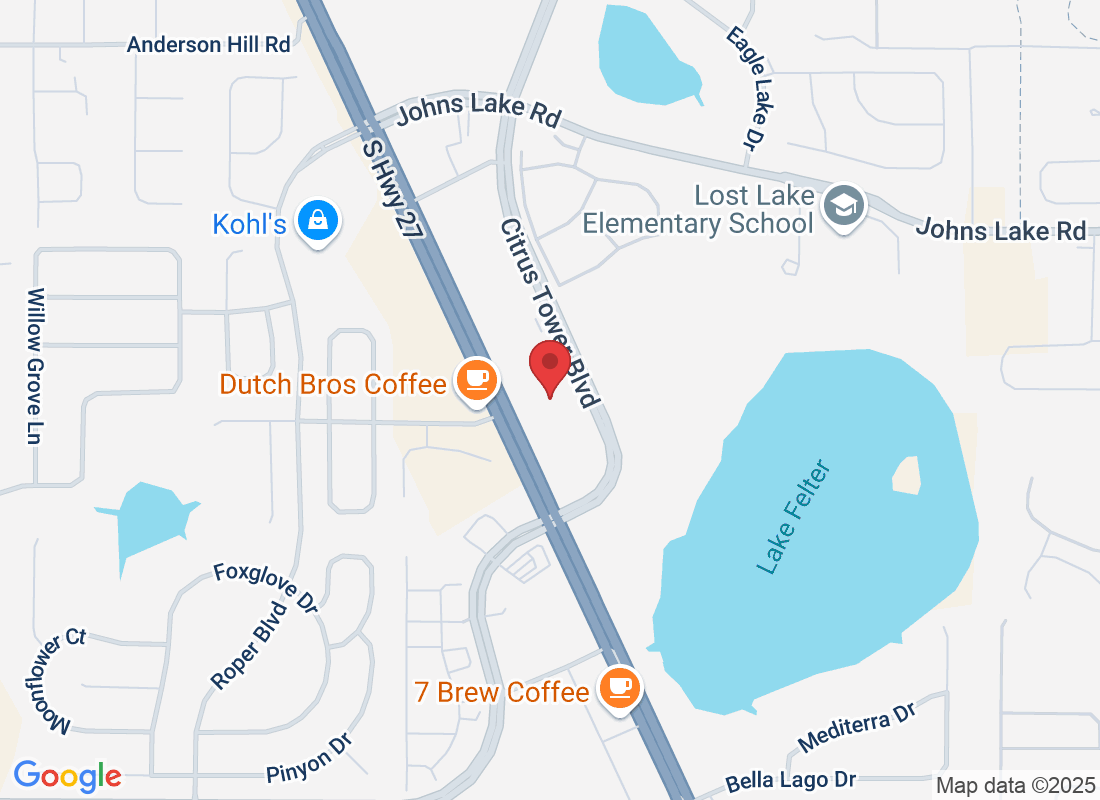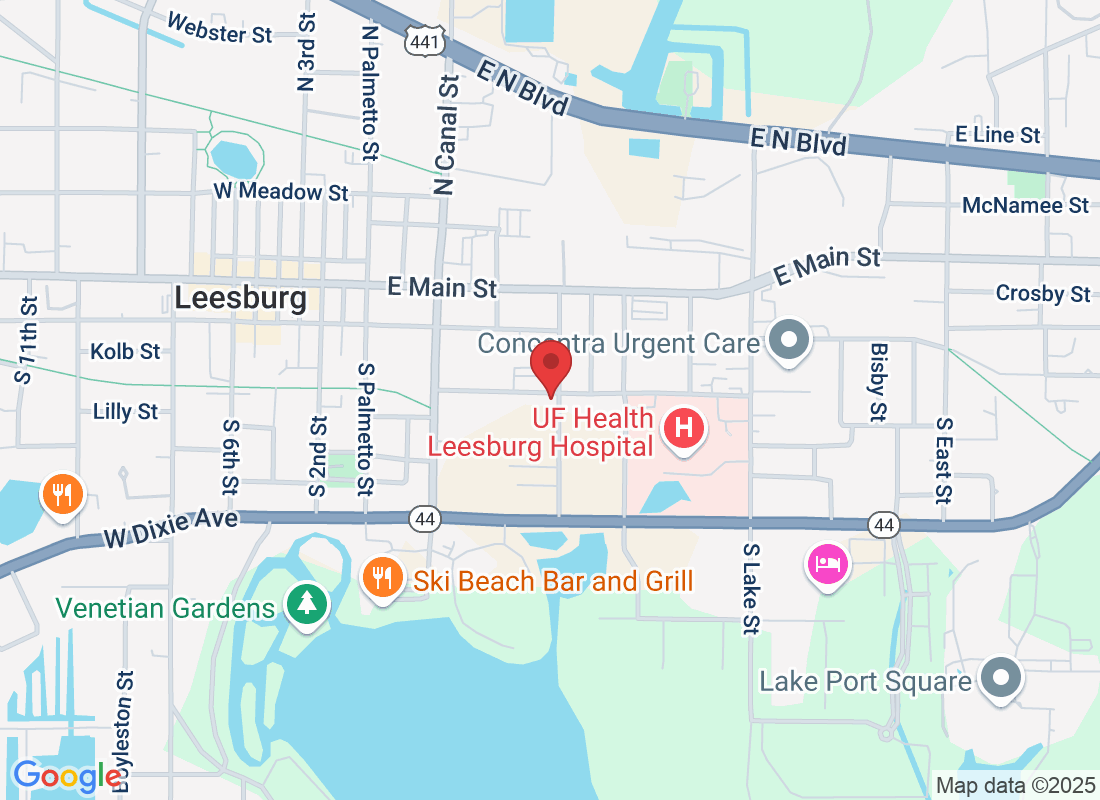

Fungal Toenail Treatment in Clermont & Leesburg, Florida: What to Do When Drugstore Products Aren’t Working
Understanding Fungal Toenail Infections
Fungal toenail infections, or onychomycosis, are a prevalent issue among individuals in Clermont and Leesburg, Florida. Caused by various fungi, these infections can lead to thick, discolored, and brittle nails. If drugstore treatments haven’t been effective for you, it may be time to explore more advanced treatment options at the Center for Ankle and Foot Care.
What Causes Fungal Toenail Infections?
- Fungal Pathogens: Dermatophytes, yeasts, and non-dermatophyte molds are the primary culprits.
- Warm, Humid Environments: Fungi thrive in moist places, making Florida's climate conducive for nail infections.
- Foot Injuries: Cracked skin or nail injuries can facilitate fungal entry.
- Nail Disorders: Conditions like psoriasis can increase susceptibility to infections.
- Weakened Immune System: Conditions such as diabetes and HIV can raise your risk.
Symptoms of Fungal Toenail Infections
It’s crucial to recognize the symptoms early for effective treatment. Common signs include:
- Discoloration of the nail (yellow, brown, or white)
- Thickening of the nail
- Brittle or crumbly texture
- Separation of the nail from the nail bed (onycholysis)
- Foul odor
How Can I Treat Fungal Toenail Infections?
Treating a fungal toenail infection typically requires a multifaceted approach, especially if over-the-counter options are unsuccessful. Here are several effective treatments available at the Center for Ankle and Foot Care:
1. Prescription Antifungal Medications
Oral antifungal drugs such as terbinafine and itraconazole may be prescribed. These medications work by attacking the fungal cells and are usually taken for a period of 6 to 12 weeks, depending on the severity of the infection.
2. Topical Antifungal Treatments
In some cases, topical antifungal solutions or lacquers, like ciclopirox, are recommended. These therapies are applied directly to the infected nail and surrounding skin.
3. Laser Therapy
Laser treatment is an innovative approach gaining popularity for its effectiveness in eradicating fungal infections. The laser targets the fungi without harming the surrounding tissue, leading to gradual nail regrowth.
4. Surgical Intervention
In severe cases where the nail is extensively damaged, a podiatrist may recommend removing the infected nail, allowing for effective treatment of the nail bed.
How Can I Prevent Fungal Toenail Infections?
Prevention is key to avoiding recurring infections. Here are some practical tips:
- Keep your feet dry and clean, especially between the toes.
- Wear moisture-wicking socks made of breathable fabrics.
- Avoid walking barefoot in communal areas, such as pools and gyms.
- Regularly trim and maintain your toenails.
- Stay hydrated and maintain a balanced diet to boost your immune system.
Who Should Seek Treatment at Center for Ankle and Foot Care?
If you notice persistent symptoms of a fungal toenail infection, especially if drugstore treatments haven’t worked, consult with our specialists. Individuals with diabetes or compromised immune systems should also seek regular evaluations and treatment as infections can be more severe in these populations.
FAQs: Fungal Toenail Treatment
1. How long does it take to see improvement from treatment?
Typically, you may start to see improvement within a few weeks of beginning treatment. However, complete nail regrowth may take several months, as toenails grow slowly.
2. Are fungal toenail infections contagious?
Yes, fungal toenail infections can be contagious. They can spread through direct contact with an infected person or by sharing personal items.
3. Can I use nail polish while treating a fungal toenail infection?
It is advisable to avoid nail polish during treatment, as it can trap moisture and prevent antifungal agents from penetrating effectively.
4. What should I do if my toenails are painful?
If you experience pain or discomfort due to your fungal infection, it's essential to consult a podiatrist for assessment and appropriate treatment.
5. Are there any home remedies that work for fungal toenail infections?
While some home remedies may provide temporary relief or may be effective for mild cases, they are not reliable substitutes for professional medical treatment.
Conclusion
Fungal toenail infections can be challenging to treat, but with proper care from the experts at the Center for Ankle and Foot Care in Clermont and Leesburg, Florida, you can achieve healthy nails again. If you're struggling with persistent symptoms or ineffective treatments, we are here to help. Don’t let fungal infections keep you down. Schedule an appointment today! Book now.