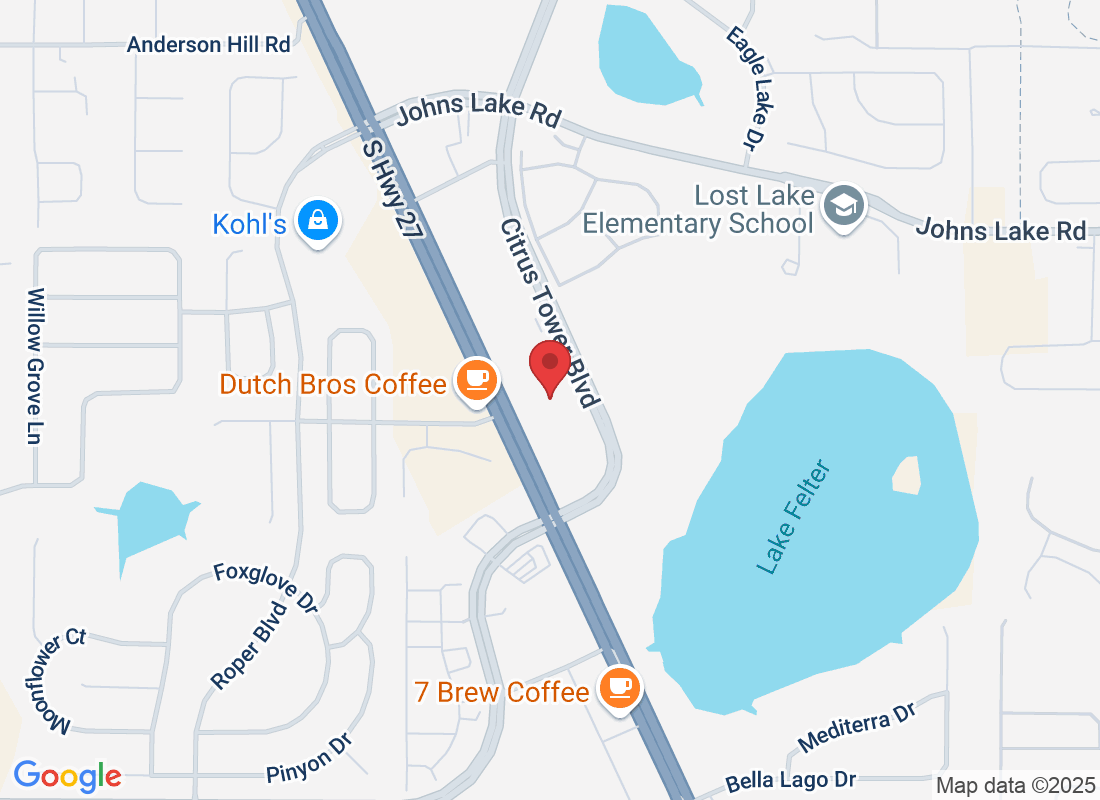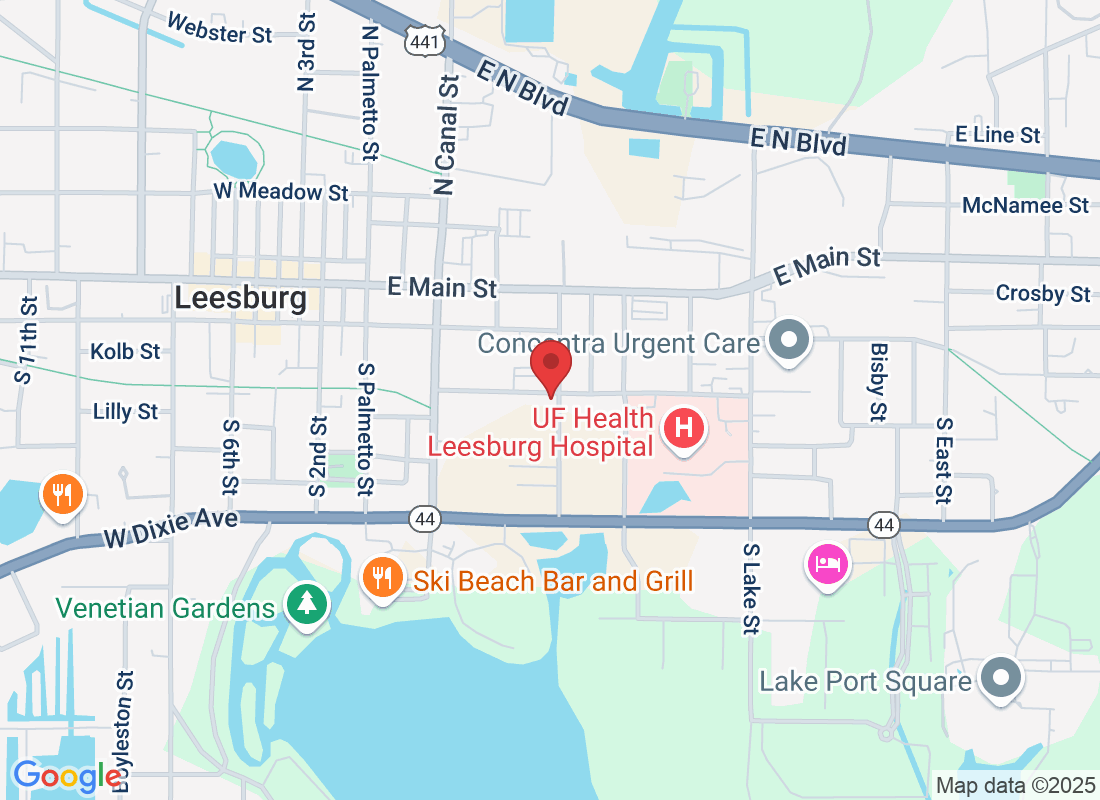

Fungal Nail Care in Clermont & Leesburg, Florida: Why Toenail Fungus Can Be So Stubborn
Understanding Toenail Fungus
Fungal nail infections, also known as onychomycosis, are common conditions affecting many individuals in Clermont and Leesburg, Florida. At the Center for Ankle and Foot Care, we understand the frustration caused by toenail fungus and its stubborn nature. This blog post explores why toenail fungus can be so persistent and offers insights on effective care and treatment options.
What Causes Toenail Fungus?
Toenail fungus is primarily caused by a group of fungi called dermatophytes, although yeasts and non-dermatophyte molds can also be responsible. Common sources of infection include:
- Traps moisture: Warm, damp environments such as swimming pools, gyms, and locker rooms.
- Minor injuries: Cuts or trauma to the toenails that open the door for fungal invasion.
- Pre-existing conditions: Conditions such as diabetes, which compromise the immune system and heel skin, increasing susceptibility to infections.
- Hygiene practices: Infrequent nail trimming or using unclean tools during pedicures.
Why Is Toenail Fungus So Stubborn?
Toenail fungus can be particularly persistent for several reasons:
- Protective Toenail Structure: The hard, keratin-rich composition of nails makes it difficult for treatments to penetrate deeply enough to eliminate the fungus.
- Growth Environment: Fungal spores thrive in dark, moist environments. The enclosed space beneath toenails makes it conducive for growth and spread.
- Chronic Persistence: Fungal cells may enter a dormant state, making them less susceptible to treatment while they continue to thrive once immune defenses are lowered.
- Self-Infliction: Individuals often attempt home treatments or over-the-counter remedies, which may not be effective, allowing the fungus to persist and spread.
How Can I Treat Toenail Fungus?
Effective treatment for toenail fungus may require a combination of topical and systemic medications, along with lifestyle changes. Here are the common treatment options:
- Topical Antifungal Treatments: Over-the-counter antifungal nail lacquers (e.g., ciclopirox) may help in mild cases, but often require lengthy applications.
- Oral Antifungal Medications: Prescription medications such as terbinafine and itraconazole are often effective but may require a doctor's supervision due to potential side effects.
- Laser Therapy: Laser treatments can target and destroy the fungal cells without damaging surrounding tissue, providing an effective option for chronic cases.
- Proper Foot Hygiene: Keeping feet dry, wearing breathable footwear, and adequate nail trimming can help prevent further infections.
Preventing Toenail Fungal Infections
Preventive measures are critical, especially for residents of Clermont and Leesburg, where high humidity can create ideal conditions for fungal growth:
- Wear Flip-Flops: Use flip-flops or water shoes in public showers and swimming pools to lower exposure to fungi.
- Choose Breathable Footwear: Select shoes that promote ventilation to minimize moisture buildup.
- Avoid Tight Socks: Opt for moisture-wicking and breathable socks to keep your feet dry.
- Regular Nail Care: Regularly trim and monitor your toenails for any signs of infection.
FAQ: Common Questions About Toenail Fungus
1. Can toenail fungus go away on its own?
In some cases, mild toenail fungus may resolve without treatment; however, most cases require intervention to eliminate the infection and prevent re-infection.
2. How long does it take to treat toenail fungus?
Treatment duration can vary depending on the severity of the infection and the treatment chosen. Topical solutions may take several months, while oral medications may require 6 to 12 weeks of treatment.
3. Is toenail fungus contagious?
Yes, toenail fungus is contagious and can spread through direct contact or by sharing items such as nail clippers or towels.
4. What should I do if I have diabetes and suspect toenail fungus?
Individuals with diabetes are at higher risk for complications from fungal infections. It's crucial to seek medical attention promptly at the Center for Ankle and Foot Care to receive appropriate treatment.
5. Are there any home remedies for toenail fungus?
While some home remedies such as tea tree oil have been suggested, they are often less effective than proven medical treatments. Consultation with a podiatrist is recommended for optimal care.
Conclusion
Toenail fungus can be a resilient opponent, but with the right approach, it is treatable. If you are experiencing symptoms or have any questions about fungal nail care in Clermont or Leesburg, Florida, the Center for Ankle and Foot Care is here to help. Book your appointment today and take the first step towards healthier nails.
Schedule an appointment online at the Center for Ankle and Foot Care, where our experienced team is ready to assist you in overcoming the challenges of toenail fungus.