
Foot Healing Options in Clermont and Leesburg
Foot Healing Options in Clermont and Leesburg
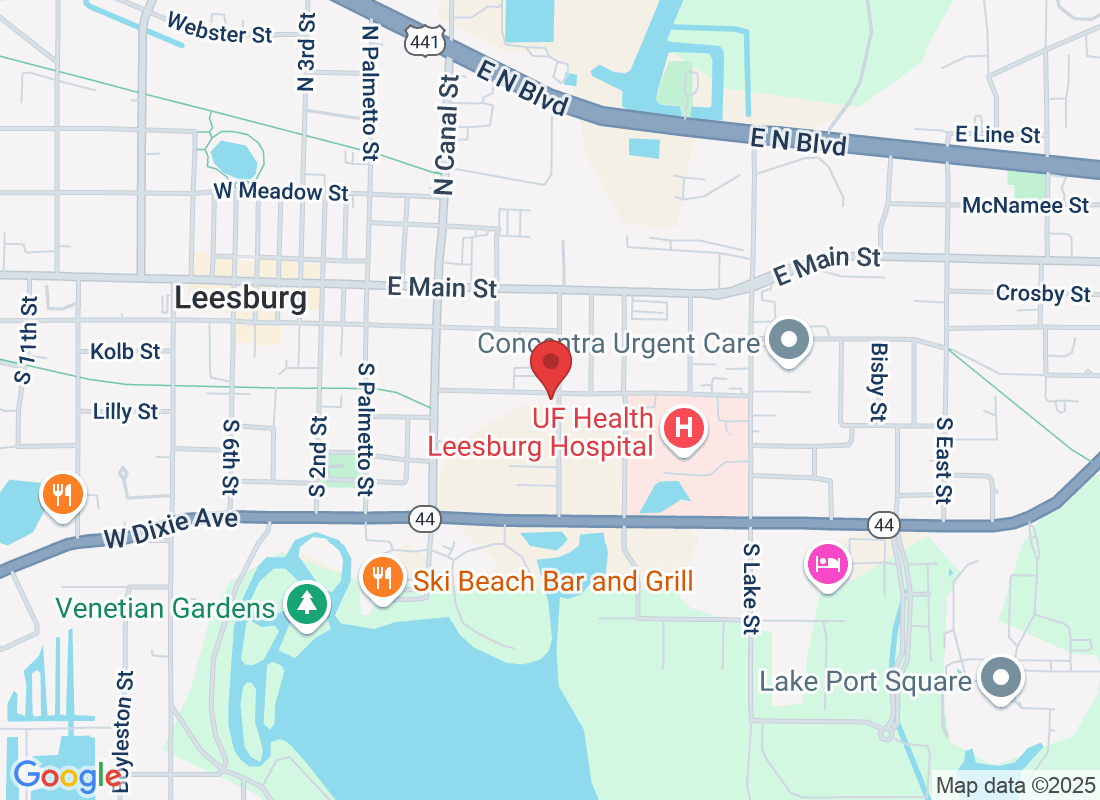
At the Center for Ankle and Foot Care, serving both Clermont and Leesburg, Florida, we understand that foot health is crucial for overall well-being. Whether you're dealing with common ailments such as plantar fasciitis, bunions, or more complex conditions like neuropathy, our team is dedicated to providing you with effective and personalized treatment options. This blog post explores various healing options available for foot-related issues, helping you make informed decisions about your care.
What Causes Foot Pain?
Foot pain can arise from various factors, including:
- Injuries: Sprains, fractures, and other injuries can result from physical activity or accidents.
- Foot Conditions: Common conditions such as plantar fasciitis, heel spurs, and Achilles tendonitis can lead to persistent pain.
- Underlying Health Issues: Conditions like diabetes and arthritis can impact foot health, causing discomfort and complications.
- Biomechanical Problems: Flat feet and high arches can lead to imbalances, affecting how weight is distributed.
How Can I Treat Foot Pain?
Treatment options for foot pain can be extensive and tailored to individual needs. Here are some effective strategies:
1. Conservative Treatments
Many foot conditions can be managed with conservative treatments, which include:
- Rest and Ice: Taking a break from activities and applying ice can help reduce swelling and pain.
- Orthotics: Custom foot orthotics can provide support and improve alignment, alleviating discomfort.
- Physical Therapy: A physical therapist can guide you through exercises that strengthen muscles and improve flexibility.
2. Medications
Over-the-counter medications like non-steroidal anti-inflammatory drugs (NSAIDs) can help manage pain and inflammation. In some cases, prescription medications may be necessary. Always consult with our team at the Center for Ankle and Foot Care for appropriate recommendations.
3. Advanced Therapies
If conservative measures are insufficient, advanced treatments may be considered:
- Corticosteroid Injections: These can provide relief from inflammation and pain in specific areas.
- Platelet-Rich Plasma (PRP) Therapy: This cutting-edge treatment utilizes the body's healing properties to treat chronic pain and promote tissue repair.
- Shockwave Therapy: A non-invasive treatment that uses sound waves to promote healing in soft tissue injuries.
4. Surgical Options
Surgery may be indicated for severe or persistent conditions that do not respond to other treatments. Common procedures include:
- Bunion Surgery: Corrects deformities and alleviates pain caused by bunions.
- Plantar Fasciitis Release: Involves releasing tension to relieve pain in the heel.
- Neuroma Removal: Surgical excision of painful nerve growths in the foot.
When Should I See a Podiatrist?
It’s crucial to consult a podiatrist if you experience:
- Persistent Pain: If foot pain lasts longer than a few days despite at-home care.
- Swelling or Bruising: Visible signs of injury or swelling that do not improve.
- Diabetic Foot Concerns: Individuals with diabetes should seek care for any foot issues as they can lead to complications.
What to Expect During Your Visit
During your appointment at the Center for Ankle and Foot Care, you can expect:
- A comprehensive evaluation of your foot health.
- An individualized treatment plan based on your condition.
- Access to various therapeutic options as discussed above.
Frequently Asked Questions (FAQ)
1. How long does it take for foot injuries to heal?
Healing times vary based on the injury and treatment method. Minor injuries may heal within a few weeks, while chronic conditions can take months.
2. Are custom orthotics worth it?
Yes! Custom orthotics can significantly improve foot alignment and reduce pain for many patients.
3. Can I manage foot pain without surgery?
In many cases, yes. Most foot pain can be effectively treated through conservative and advanced non-surgical methods.
4. Is it normal to have foot pain as I age?
Aging can lead to various foot issues, but persistent pain is not normal and may require evaluation.
5. How often should I see a podiatrist?
It's advisable to see a podiatrist if you have chronic foot pain, pre-existing conditions (like diabetes), or if you notice any changes in your foot health.
For experts in foot care located in Clermont and Leesburg, Florida, trust the Center for Ankle and Foot Care. Our team is ready to help you find effective treatment options tailored to your needs. Don't let foot pain hold you back — book your appointment today!