Fat Pad Function in Shock Absorption
Understanding the Fat Pad Function in Shock Absorption
At the Center for Ankle and Foot Care located in Clermont and Leesburg, Florida, we prioritize your understanding of foot health. One crucial aspect that significantly influences your foot function and overall comfort is the fat pad. This blog post delves into the role of the fat pad in shock absorption, its anatomy, common conditions affecting it, and treatment options available.
What is the Fat Pad?
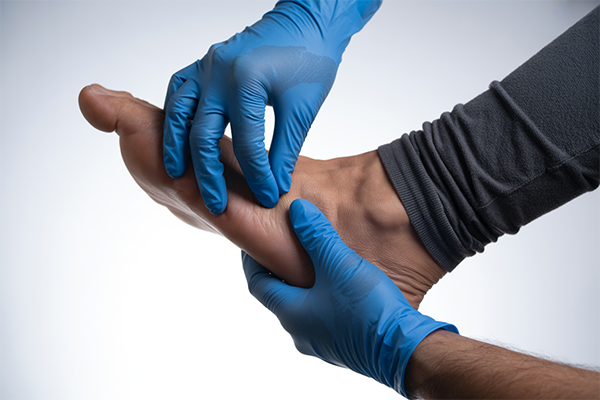
The fat pad is a critical structure found in both the forefoot and the heel. It consists of adipose (fat) tissue that provides cushioning and support to the bones and soft tissues of the foot. Without these natural cushioning mechanisms, everyday activities, such as walking and running, would lead to discomfort and injury.
How Does the Fat Pad Function in Shock Absorption?
The primary function of the fat pad is to absorb and dissipate the pressures exerted on the foot during locomotion. When you walk or run, the force generated by each step can be substantial, often equal to several times your body weight. The fat pad moderates these forces, protecting the bones and joints from impact-related injuries. It acts as a natural shock absorber, ensuring smooth and pain-free movement.
What Causes Fat Pad Atrophy?
Fat pad atrophy, or the thinning of the fat pad, can occur due to several factors, including:
- Aging: As we age, the fat pad naturally loses volume and cushioning ability, often leading to discomfort.
- Repetitive trauma: Activities such as running or high-impact sports can cause wear and tear on the fat pad.
- Foot deformities: Conditions like flat feet or high arches can alter the distribution of pressure on the fat pad.
- Weight fluctuations: Significant loss or gain in weight can also affect the thickness and quality of the fat pad.
Symptoms of Fat Pad Dysfunction
Individuals suffering from fat pad dysfunction may experience:
- Localized pain in the heel or forefoot
- Increased sensitivity to pressure
- Difficulty walking or standing for extended periods
- Swelling or inflammation around the affected area
How Can I Treat Fat Pad Atrophy?
If you're experiencing symptoms related to fat pad atrophy, various treatment options can help you manage discomfort and improve foot function:
1. Footwear Modification
Choosing the right shoes is crucial. Look for footwear with adequate cushioning and arch support to alleviate pressure on the fat pad.
2. Orthotics
Custom orthotic devices can provide additional support and redistribute pressure evenly across the foot, promoting comfort.
3. Physical Therapy
Engaging in physical therapy can strengthen foot muscles and improve flexibility, helping alleviate strain on the fat pad.
4. Non-Steroidal Anti-Inflammatory Drugs (NSAIDs)
Over-the-counter medications can help reduce pain and inflammation associated with fat pad issues.
5. Corticosteroid Injections
In severe cases, your podiatrist may recommend corticosteroid injections to provide temporary relief from inflammation and pain.
When Should I See a Podiatrist?
If you’re experiencing persistent pain or discomfort in your feet, especially in the heel or forefoot area, it’s essential to seek professional evaluation. Early intervention can prevent further complications and improve your quality of life.
FAQ
What are the long-term effects of fat pad atrophy?
If left untreated, fat pad atrophy can lead to chronic pain and increased risk of injuries such as plantar fasciitis or heel spurs.
Can fat pad atrophy be reversed?
While it may not be fully reversed, treatment options can significantly improve symptoms and functionality.
Is fat pad atrophy common among athletes?
Yes, athletes, particularly runners, are prone to fat pad atrophy due to the repetitive impact on the feet.
Are there specific exercises to strengthen the fat pad?
Exercises focusing on foot arch strengthening and balance can help minimize the effects of fat pad atrophy.
How do I know if I need orthotics?
Consulting a podiatrist will provide insights into whether custom orthotics may benefit your specific situation.
Conclusion
Understanding the role of the fat pad in shock absorption is essential for maintaining foot health and preventing pain. The Center for Ankle and Foot Care in Clermont and Leesburg, Florida, is dedicated to helping you navigate foot-related issues. If you’re experiencing discomfort or have questions about your foot health, don’t hesitate to book an appointment with our expert team today!