Fat Pad Cushioning and Pressure Points
Understanding Fat Pad Cushioning and Pressure Points
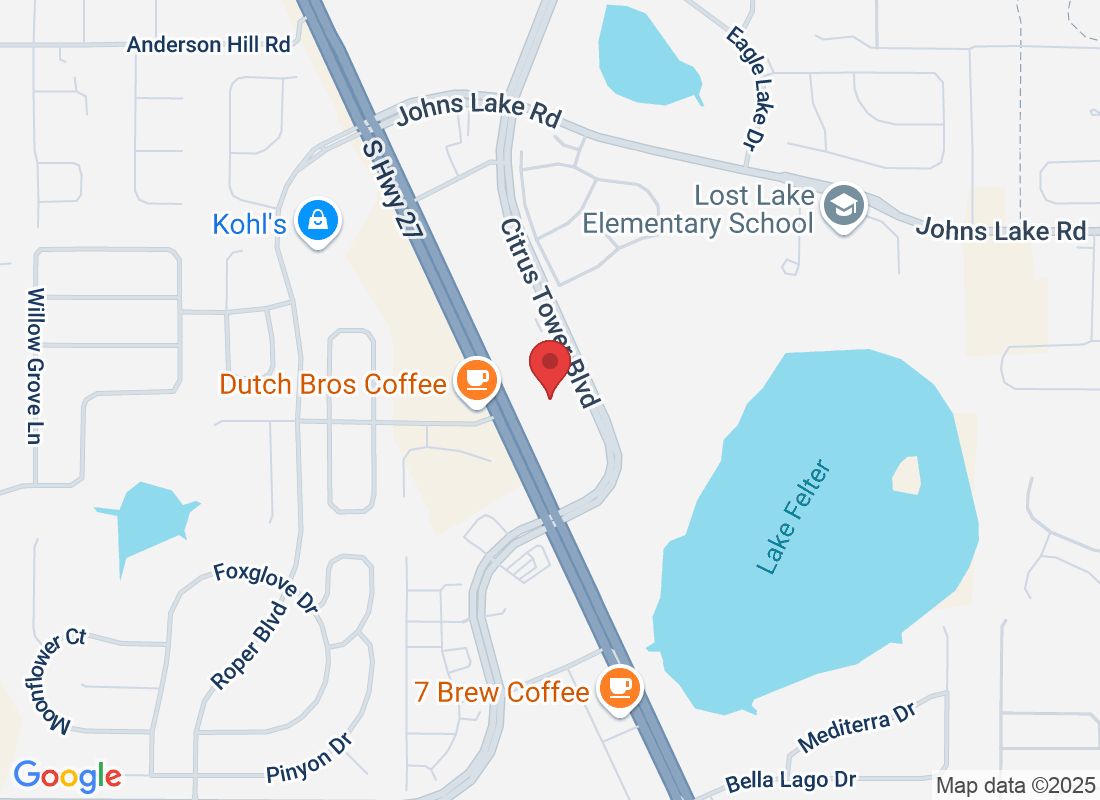
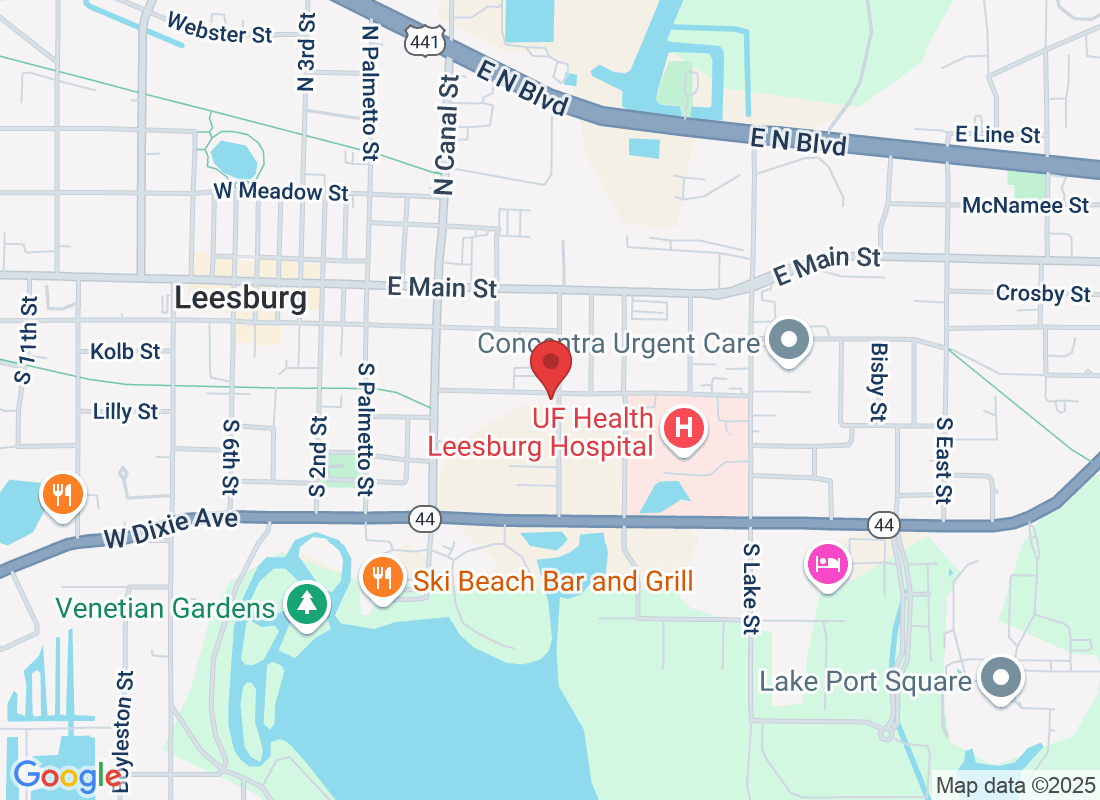
Welcome to the Center for Ankle and Foot Care, serving Clermont and Leesburg, Florida. In this article, we will delve into the importance of fat pad cushioning in the feet, how pressure points can affect your foot health, and what you can do to alleviate any associated discomfort.
What is Fat Pad Cushioning?
Fat pad cushioning refers to the natural layers of fat located at key areas of the foot, particularly under the heel and the balls of the feet. These fat pads serve several important functions:
- Shock absorption: They help to absorb impact during walking, running, and other activities.
- Protection: Fat pads act as a protective layer for bones, joints, and other structures in the foot.
- Balance: Insufficient fat pad cushioning can lead to instability and difficulty in maintaining balance.
What Causes Depletion of Fat Pad Cushioning?
Several factors can contribute to the depletion of fat pad cushioning, leading to discomfort and increased pressure points in the feet:
- Aging: As we age, the fat pads naturally thin, reducing their protective effects.
- Foot conditions: Conditions like plantar fasciitis, flat feet, and diabetic neuropathy can exacerbate fat pad depletion.
- Injury: Direct trauma to the foot or repetitive stress injuries can damage fat pads.
- Improper footwear: Shoes without adequate cushioning or support can accelerate fat pad loss.
How Do Pressure Points Develop?
Pressure points in the foot are specific areas where excessive force is applied, often due to a lack of adequate cushioning. Common locations for these pressure points include:
- Heel (calcaneus)
- Ball of the foot (metatarsal heads)
- Arch of the foot
When fat pad cushioning is compromised, these pressure points can lead to pain, inflammation, and in some cases, further injury. Conditions such as metatarsalgia, sesamoiditis, and heel spurs may arise from untreated pressure points.
How Can I Treat Pain Related to Fat Pad Cushioning and Pressure Points?
If you are experiencing discomfort due to pressure points or fat pad thinning, the following treatment options may be beneficial:
- Footwear adjustments: Invest in shoes that provide adequate cushioning and arch support to minimize pressure on sensitive areas.
- Orthotic devices: Custom orthotics can redistribute pressure evenly across the foot and enhance fat pad function.
- Physical therapy: Stretching and strengthening exercises can improve foot mechanics and relieve stress on pressure points.
- Padding and cushioning: Specialized pads can be added to shoes to provide additional cushioning and support.
- Medications: Over-the-counter anti-inflammatory medications may help manage pain and inflammation.
When Should I See a Podiatrist?
If you are experiencing persistent pain in your feet that does not improve with basic home care, it is essential to consult a podiatrist. Conditions often require professional evaluation and treatment to prevent further complications. At the Center for Ankle and Foot Care, our experienced team can provide tailored treatment plans based on your specific needs.
Frequently Asked Questions (FAQ)
1. What are the symptoms of fat pad atrophy?
Symptoms of fat pad atrophy may include localized pain in the heel or balls of the feet, increased sensitivity when standing or walking, and a feeling of discomfort when wearing shoes.
2. Can fat pad cushioning be restored?
While fat pad cushioning may not be fully restored, proper footwear, orthotics, and treatment can significantly improve comfort and redistribute pressure, lessening symptoms.
3. What types of shoes are best for protecting fat pad cushioning?
Look for shoes with excellent arch support, cushioned insoles, and adequate room in the toe box. Avoid high heels and shoes that lack proper shock absorption.
4. Is fat pad atrophy more common in certain populations?
Yes, younger people can experience fat pad atrophy after injuries, while older adults and individuals with certain medical conditions (like diabetes) are generally more susceptible.
5. How can I prevent pain from pressure points in my feet?
Regular foot care, including proper footwear, maintaining a healthy weight, and scheduling regular check-ups with a podiatrist can help prevent issues related to pressure points.
Conclusion
Understanding fat pad cushioning and pressure points is essential for maintaining your foot health. At the Center for Ankle and Foot Care in Clermont and Leesburg, Florida, we are dedicated to providing expert care for all your podiatric needs. Don't let foot pain limit your mobility. Schedule an appointment today through our online booking system by clicking here.