What to Do If Heel Pain Comes Back: Leesburg Options
Understanding Heel Pain: Causes and Consequences
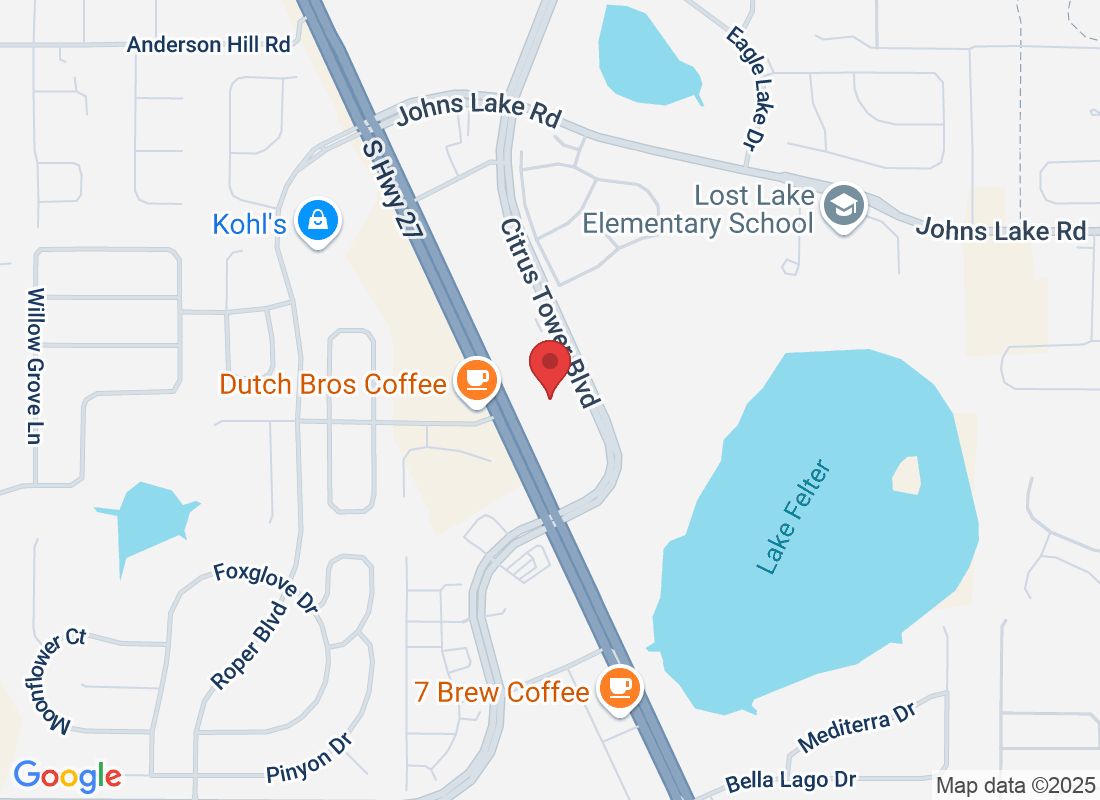
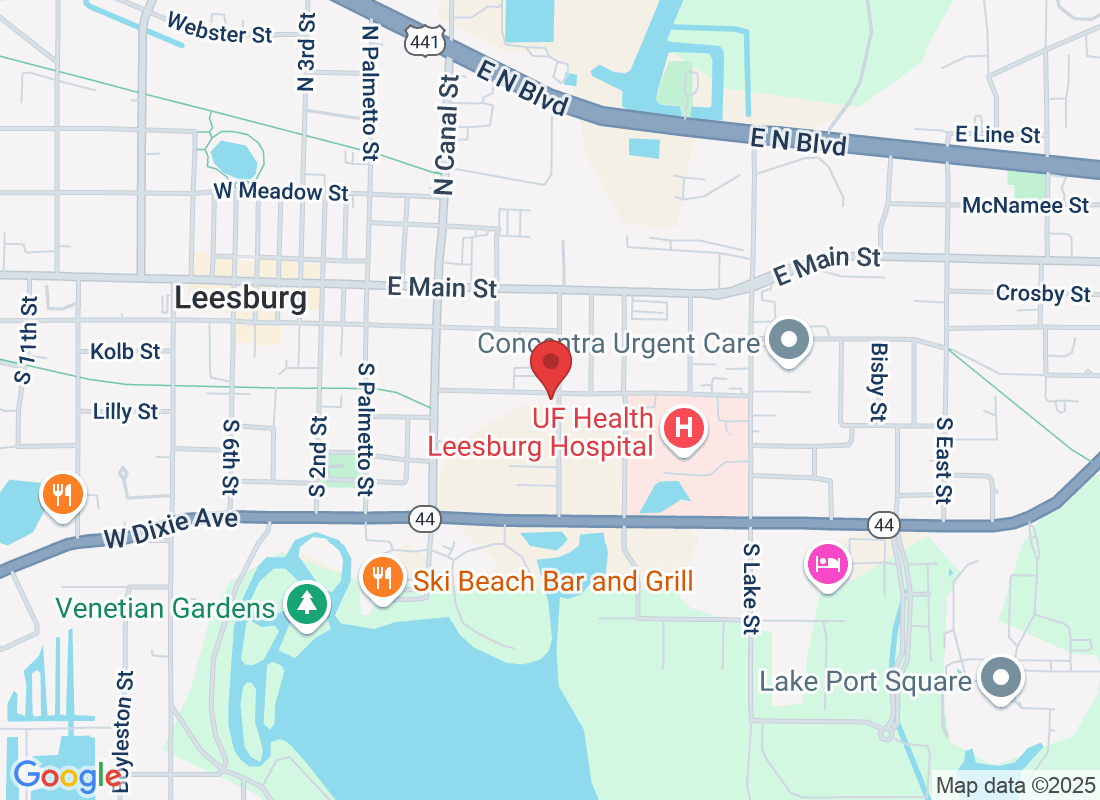
Heel pain is a common ailment that can significantly impact your daily activities. At the Center for Ankle and Foot Care, located in Clermont and Leesburg, Florida, we frequently encounter patients struggling with recurring heel pain. Understanding the potential causes and the available treatment options is essential for effective management.
What Causes Heel Pain?
Heel pain can stem from several underlying conditions. Here are some of the most common culprits:
- Plantar Fasciitis: This is the most prevalent cause of heel pain, resulting from inflammation of the plantar fascia – a thick band of tissue that runs across the bottom of your foot.
- Achilles Tendinitis: Overuse or strain of the Achilles tendon can cause pain at the back of the heel.
- Heel Spurs: These are bony growths on the underside of the heel bone that may develop as a result of chronic inflammation.
- Bursitis: Inflammation of the bursa (fluid-filled sacs) at the heel can lead to pain and discomfort.
- Stress Fractures: Small cracks in the heel bone can result from repetitive impact, often seen in runners or those with certain occupational activities.
How Can I Treat Recurring Heel Pain?
Addressing recurring heel pain effectively requires a multifaceted approach. Here are some treatment options available through our clinic:
Conservative Treatment Approaches
- Rest and Ice: Giving your foot time to heal and applying ice can reduce inflammation.
- Orthotic Devices: Custom or over-the-counter shoe inserts can help alleviate pressure on the heel.
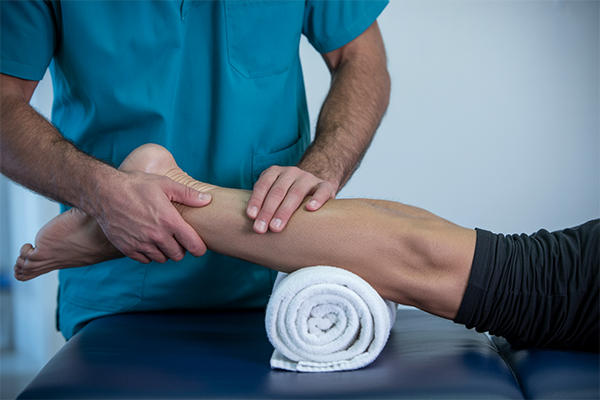
- Physical Therapy: A physical therapist may recommend specific exercises to strengthen the foot's muscles and improve flexibility.
- Footwear Modifications: Wearing supportive shoes with adequate cushioning is crucial in managing heel pain.
Advanced Treatment Options
If conservative measures do not yield relief, more advanced treatments may be necessary, which can include:
- Medications: Nonsteroidal anti-inflammatory drugs (NSAIDs) can help reduce pain and swelling.
- Corticosteroid Injections: These can provide significant pain relief and reduce inflammation.
- Platelet-Rich Plasma (PRP) Therapy: This involves injecting growth factors from your blood into the injury site, promoting healing.
- Extracorporeal Shock Wave Therapy: This non-invasive treatment uses sound waves to stimulate healing in the affected area.
- Surgery: In severe cases, surgical intervention may be a necessary option to alleviate chronic heel pain.
When Should I See a Podiatrist?
If heel pain persists despite conservative treatment for more than a few weeks, it’s crucial to consult a podiatrist. An evaluation by a specialist at the Center for Ankle and Foot Care can help identify the underlying cause and develop an effective treatment plan tailored to your specific needs.
Q&A Section
1. What are the symptoms of plantar fasciitis?
The primary symptom of plantar fasciitis is sharp heel pain, especially with the first steps in the morning or after prolonged sitting.
2. Is heel pain common in runners?
Yes, heel pain is particularly common among runners due to the repetitive impact on the feet.
3. Can stretching help relieve heel pain?
Yes, regular stretching of the calf muscles and plantar fascia can alleviate tension and reduce heel pain.
4. Are there any home remedies for heel pain?
Rest, ice, and over-the-counter pain relief medications can provide temporary relief for heel pain.
5. How can I prevent heel pain from returning?
Investing in supportive footwear, maintaining a healthy body weight, and incorporating foot-strengthening exercises can help prevent recurrence.
Conclusion: Your Pathway to Relief at Center for Ankle and Foot Care
At the Center for Ankle and Foot Care in Clermont and Leesburg, Florida, we are dedicated to helping you find effective solutions for your heel pain. If you experience recurrent discomfort, don’t hesitate to reach out. To book an appointment, please visit our online scheduling page.