
Clermont’s Top Treatment for Fungal Nails (Without the Pills)
Understanding Fungal Nails
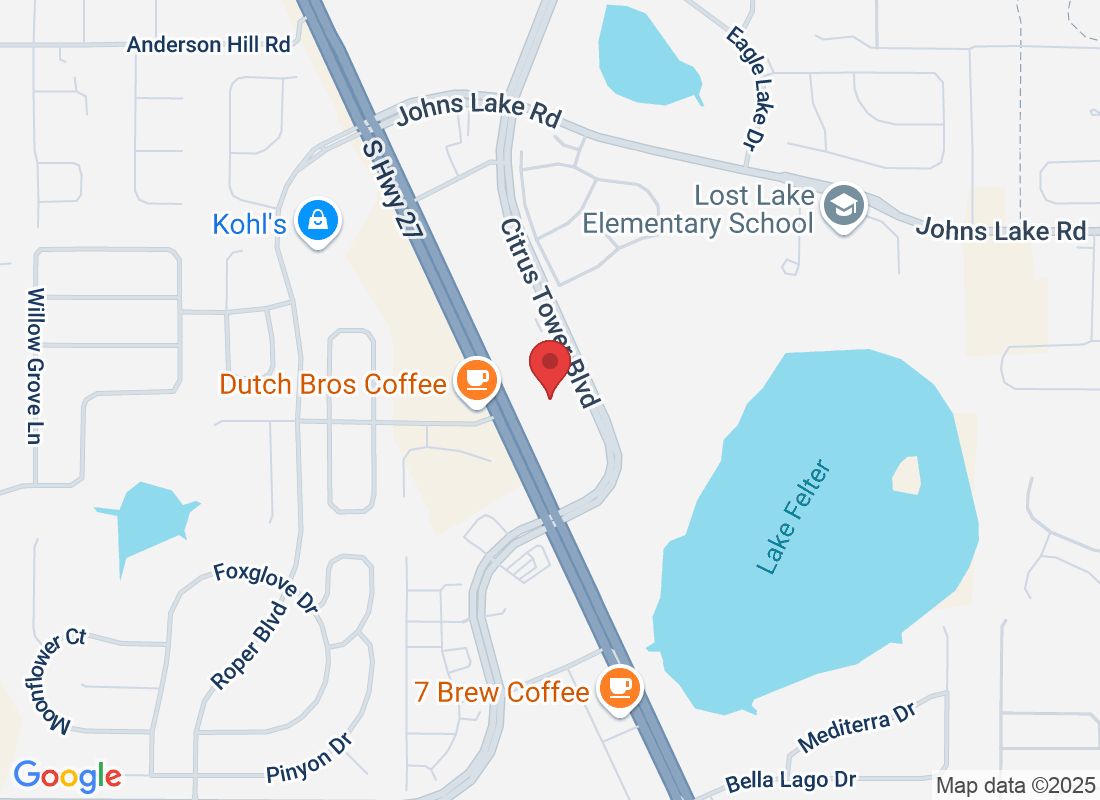
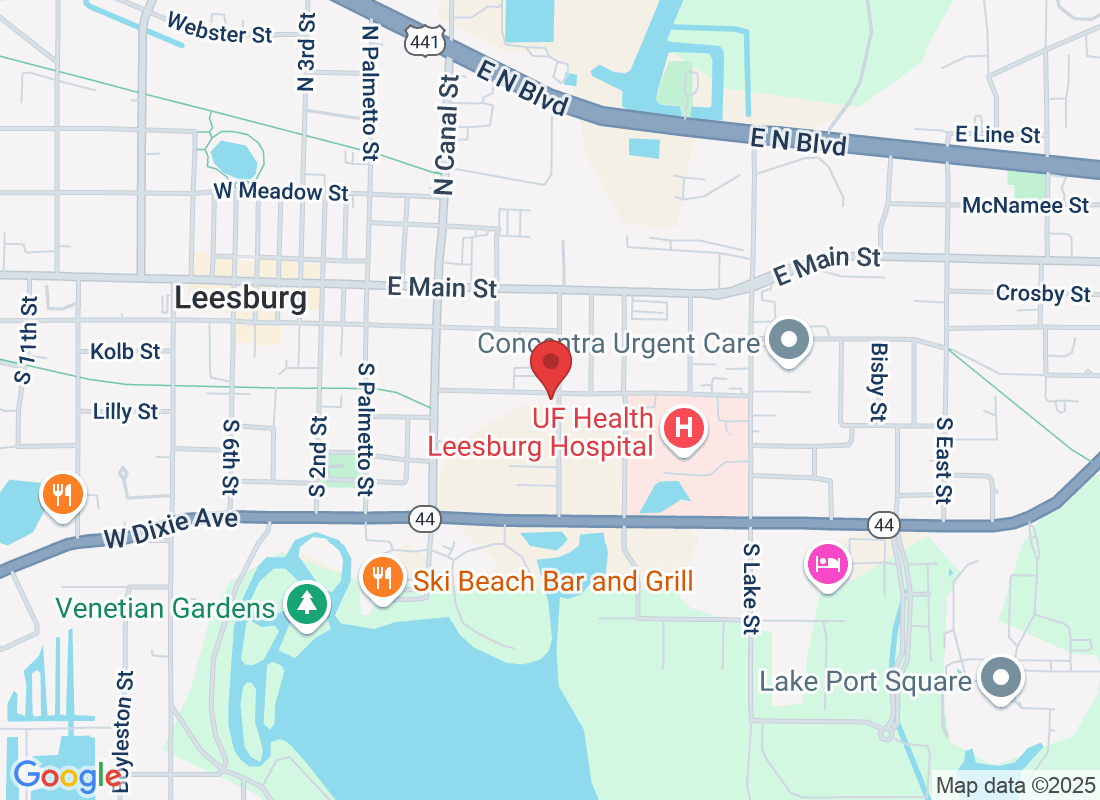
Fungal nails, medically known as onychomycosis, is a prevalent condition affecting millions of Americans each year. This condition occurs when fungi invade the nail bed and surrounding tissues, leading to symptoms such as discoloration, thickening, and brittleness of the nails. At the Center for Ankle and Foot Care in Clermont and Leesburg, Florida, we offer effective treatments without the need for systemic medications.
What Causes Fungal Nails?
Fungal nail infections are primarily caused by dermatophytes, but yeasts and molds can also contribute. Various factors increase the likelihood of developing fungal nails, including:
- Underlying health conditions such as diabetes or immune disorders
- Poor circulation
- Moist environments such as sweaty feet or tight-fitting shoes
- Previous nail injuries
- Exposure to communal areas like swimming pools or locker rooms
How Can I Treat Fungal Nails Without Pills?
While oral antifungal medications are common, they often come with side effects. Here at the Center for Ankle and Foot Care, we focus on non-systemic treatments that effectively combat fungal infections. These methods include:
1. Topical Antifungal Treatments
Topical treatments are a great option for mild to moderate cases of onychomycosis. These formulations can be applied directly to the affected nails. Options available include:
- Amorolfine lacquer
- Terbinafine cream
- Ciclopirox nail polish
2. Laser Therapy
Laser treatment is a cutting-edge approach that targets the fungus with minimal discomfort. The laser primarily penetrates the nail without harming the surrounding skin, leading to effective fungal eradication.
3. Debridement
In severe cases, removing the infected portion of the nail through mechanical debridement can enhance the efficacy of topical treatments. This procedure can also alleviate discomfort caused by thickened nails.
4. Home Remedies and Preventive Measures
Complementing professional treatments with home care can aid recovery. Suggestions include:
- Keeping feet dry and clean
- Wearing breathable footwear
- Using antifungal powders
- Avoiding walking barefoot in public areas
When Should I Seek Professional Help?
If you experience symptoms like persistent nail discoloration, pain, or the absence of improvement with over-the-counter treatments, it's advisable to consult a podiatrist at the Center for Ankle and Foot Care. Early intervention can prevent the spread of the infection and reduce the risk of complications.
FAQs About Fungal Nails
1. How long does treatment for fungal nails take?
The duration varies based on the severity of the infection, but expect treatment to take several weeks to several months for optimal results.
2. Can fungal nails go away on their own?
Fungal nail infections typically do not resolve without intervention. Professional treatment is recommended for effective management.
3. Are there any side effects of topical treatments?
Topical antifungal treatments may cause mild irritation or allergic reactions in some individuals. Consult our podiatrists for personalized advice.
4. Is laser treatment safe?
Yes, laser treatment for fungal nails is generally safe with minimal side effects. Our trained professionals will assess your situation to determine the best approach for you.
5. Can I prevent fungal nails?
Prevention measures include practicing good foot hygiene, wearing moisture-wicking socks, and avoiding exposure to fungus-prone environments like pools. Regular foot check-ups can also help.
Conclusion
Fungal nails can be a frustrating condition, but solutions exist that do not require oral medications. At the Center for Ankle and Foot Care in Clermont and Leesburg, Florida, we provide personalized treatment options to restore the health of your nails. If you're struggling with fungal nails, don't hesitate to book an appointment online to discuss the best treatment for you.