
Clermont's Parents’ Guide to Treating Plantar Warts in Kids
Clermont's Parents’ Guide to Treating Plantar Warts in Kids
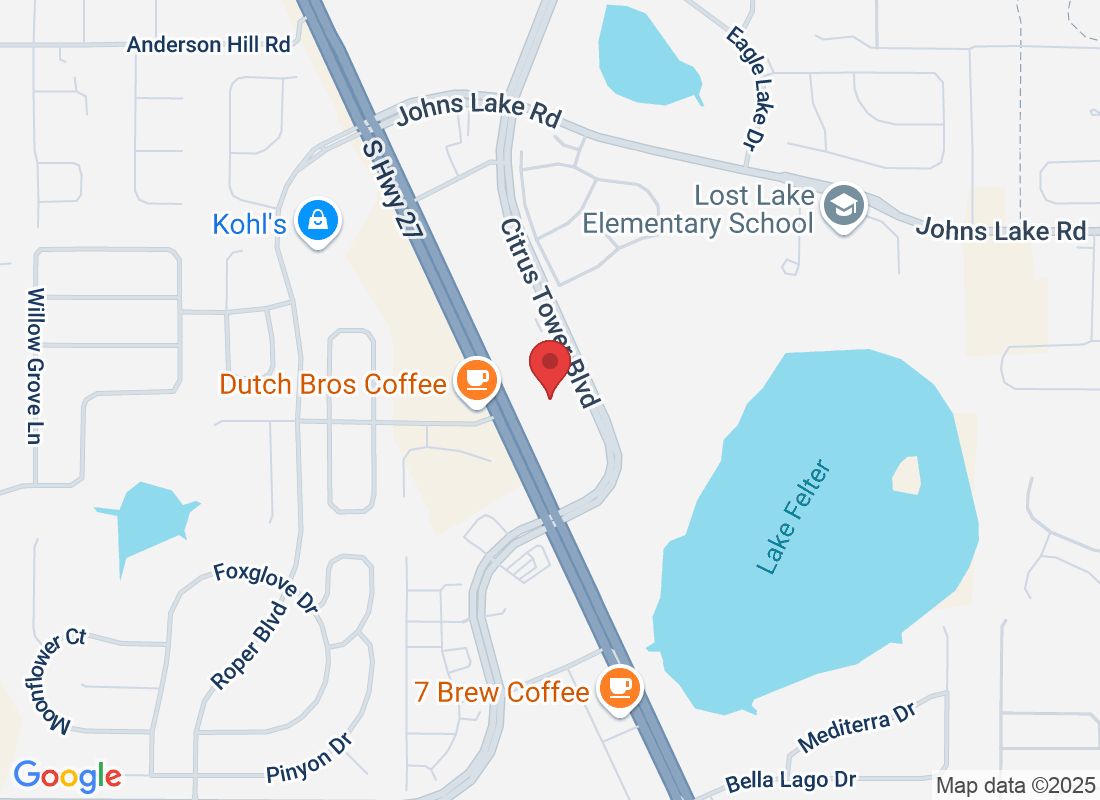
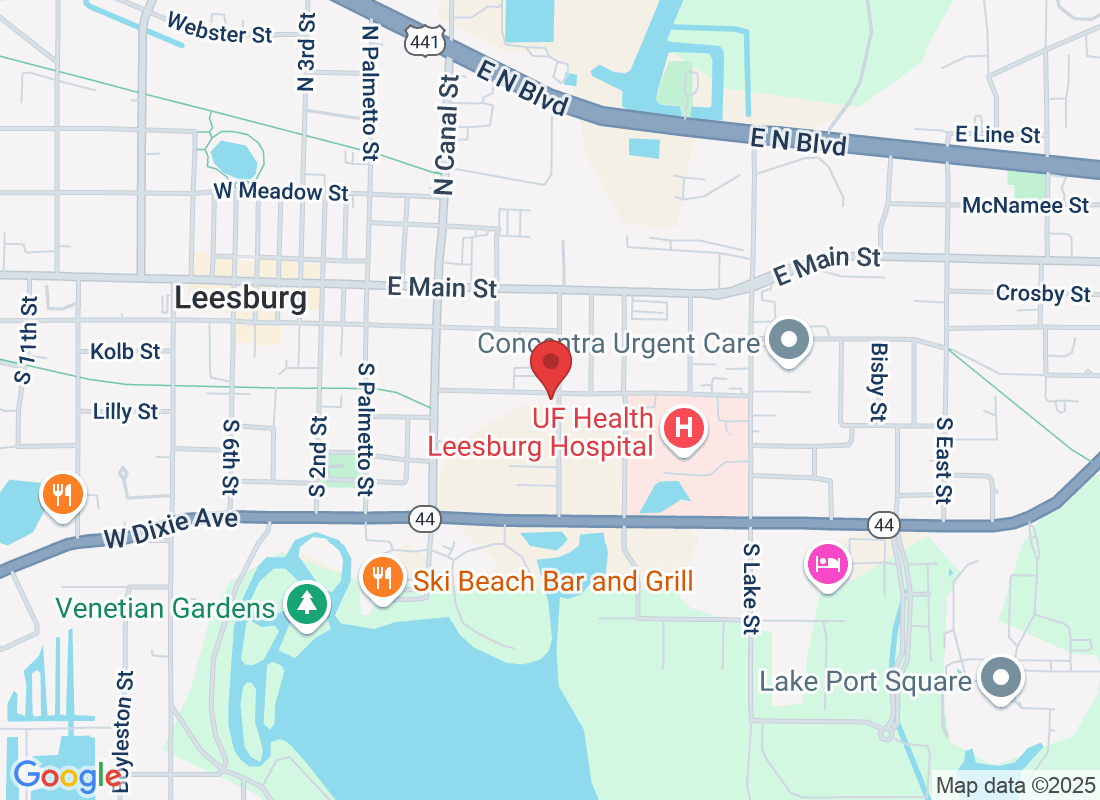
Plantar warts are a common concern for parents, particularly when it affects their children. At the Center for Ankle and Foot Care, we understand the discomfort and confusion that can arise from these benign growths. Serving the community of Clermont and Leesburg, Florida, we aim to provide you with the knowledge to effectively address plantar warts in your children.
What Are Plantar Warts?
Plantar warts, or verrucae plantaris, are small, benign tumors that develop on the soles of the feet. They are caused by the human papillomavirus (HPV), which enters the skin through tiny cuts or weak spots. They are generally characterized by:
- A rough surface
- Pain or tenderness, especially when walking
- A growth that may appear as a small, grainy bump
What Causes Plantar Warts in Children?
Children are especially susceptible to plantar warts due to their active lifestyles and exposure to communal areas like swimming pools and locker rooms. Factors contributing to the development of plantar warts include:
- Weakened immune response
- Skin abrasions or cuts
- Frequent walking barefoot in shared spaces
How Can I Identify Plantar Warts in My Child?
Identifying plantar warts in children can be straightforward if you are aware of common symptoms. Look for:
- Small, hardened bumps on the foot
- White, gray, or brown rough patches on the soles
- Black dots, which are small blood vessels associated with the wart
- Discomfort or pain when the wart is pressed
How Can I Treat Plantar Warts in Kids?
Treating plantar warts can vary depending on the severity and location. Here are some commonly used methods:
Over-the-Counter Treatments
Many topical treatments are available, containing salicylic acid. These products work by gradually peeling away the wart. It's crucial to follow the product's instructions carefully for effective treatment.
Cryotherapy
Cryotherapy involves freezing the wart with liquid nitrogen. This in-office procedure is safe and effective, especially for stubborn warts. Repeat treatments may be necessary.
Laser Therapy
For more severe cases, laser therapy may be recommended. This approach uses focused light to destroy wart tissue with minimal damage to surrounding skin.
Electrosurgery
This method involves using an electric current to burn off the wart. It is generally performed under local anesthesia and is effective for larger warts.
Are There Any Home Remedies for Plantar Warts?
While home remedies are popular, their effectiveness may vary. Some parents may choose to try:
- Apple cider vinegar - applied as a compress
- Duct tape occlusion therapy - covering the wart with duct tape for several days
- Vitamin E oil to promote healing
It is advisable to consult with a healthcare provider before attempting home treatments to avoid complications.
When Should You See a Podiatrist?
If over-the-counter treatments fail or if the wart causes significant pain or discomfort, it is essential to seek professional help. The Center for Ankle and Foot Care specializes in pediatric podiatry and can provide tailored treatment options for your child’s needs.
FAQs about Plantar Warts in Kids
1. Can plantar warts spread to other parts of the body?
Yes, HPV can spread from warts to other areas of the body or to other people, particularly in communal settings.
2. Are plantar warts contagious?
While not highly contagious, plantar warts can spread through direct contact or via surfaces where the virus is present.
3. How long does it take for plantar warts to go away?
Plantar warts can take several weeks to months to resolve, depending on treatment and individual immune response.
4. Are there any risk factors for developing plantar warts?
Children with weakened immune systems, frequent foot injuries, or those who walk barefoot in public areas are at higher risk.
5. Can plantar warts return after treatment?
Yes, even after successful treatment, plantar warts can recur. Maintaining foot hygiene and avoiding sharing shoes or socks can help reduce the risk.
Conclusion
Understanding plantar warts is crucial for effective treatment. At the Center for Ankle and Foot Care in Clermont and Leesburg, Florida, our team of experts is here to assist you and your child through this condition. Don’t hesitate to reach out for guidance or book an appointment for further evaluation and treatment options. Book your appointment today!