
Clermont’s New Options for Non-Surgical Bunion Relief
Clermont’s New Options for Non-Surgical Bunion Relief
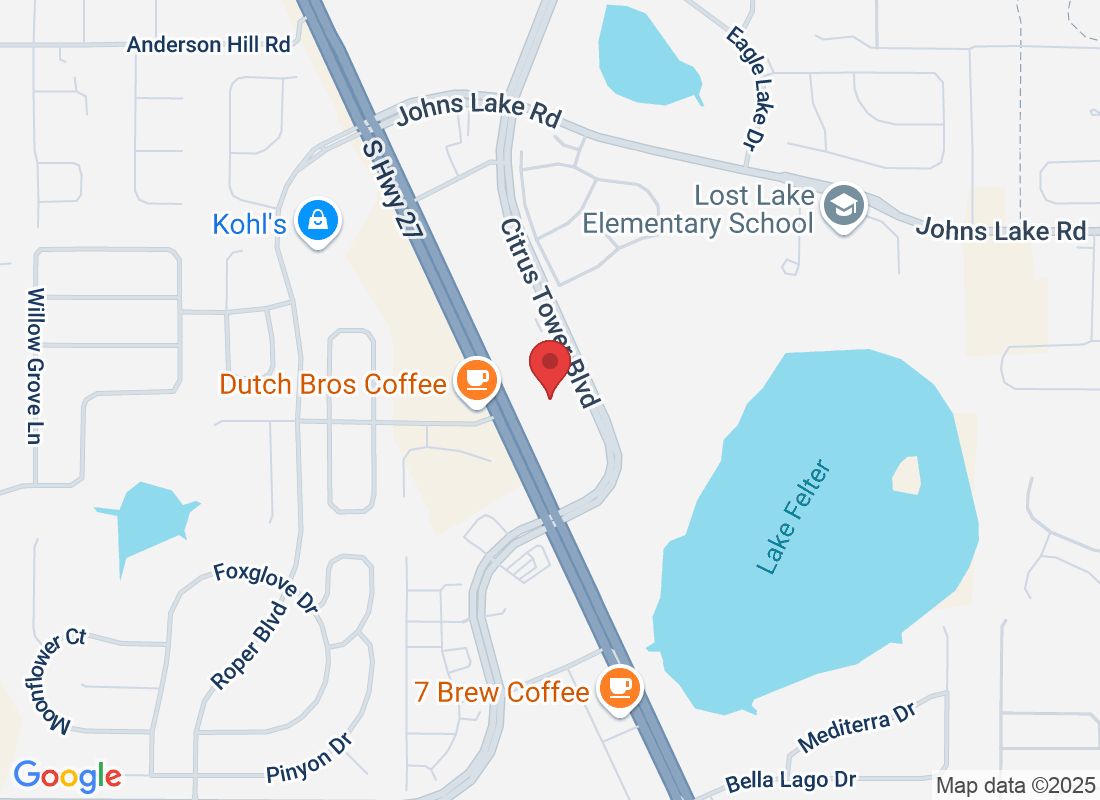
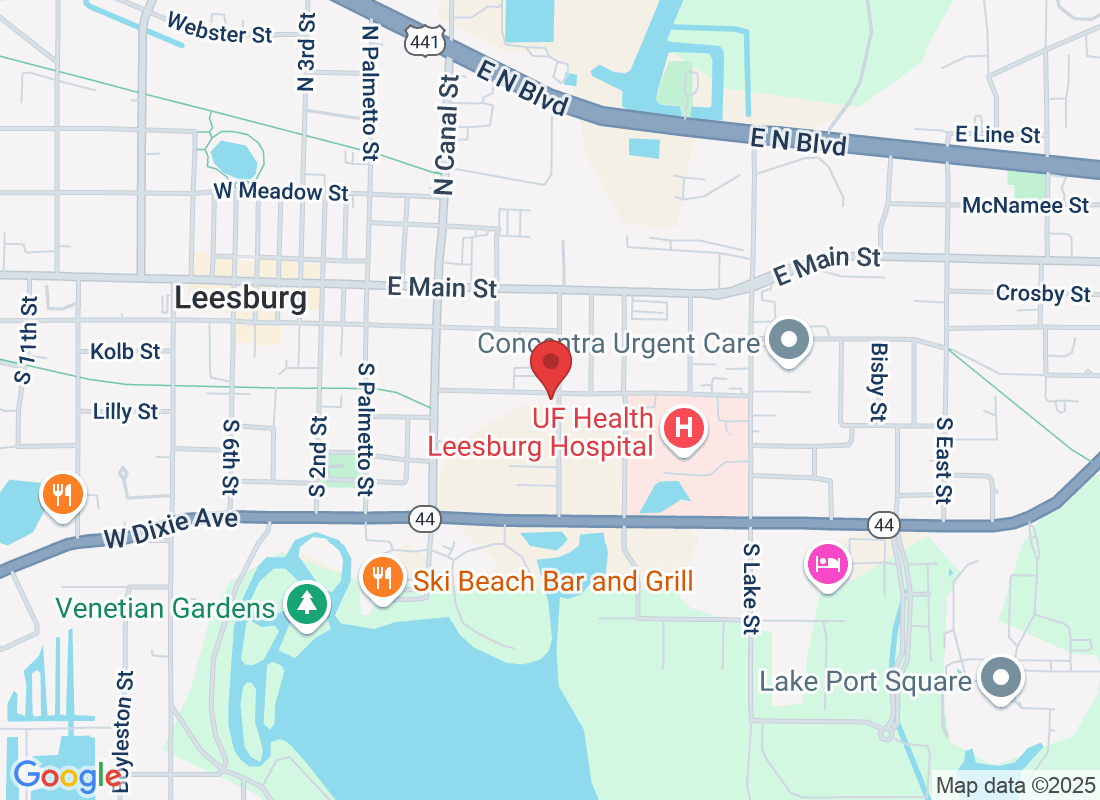
At the Center for Ankle and Foot Care located in Clermont and Leesburg, Florida, we understand how bunions can significantly impact your daily life. As an increasingly common foot condition, bunions can cause pain, discomfort, and cosmetic concerns. In this article, we will explore the causes of bunions, non-surgical treatment options, and how our clinic can provide effective relief.
What Causes Bunions?
A bunion, or hallux valgus, is a bony prominence that forms at the base of the big toe. This deformity occurs when the first metatarsal bone shifts out of alignment, causing the big toe to angle towards the second toe. Several factors contribute to the formation of bunions, including:
- Genetic predisposition: A family history of bunions may increase your risk.
- Footwear choices: Wearing tight, narrow shoes can exacerbate bunion development.
- Foot structure: Certain foot types, including flat feet and high arches, can lead to misalignment.
- Arthritis: Inflammatory joint conditions can contribute to bunion formation.
How Can I Treat Bunions Non-Surgically?
Non-surgical treatment options for bunions focus on alleviating pain and preventing further progression of the deformity. At the Center for Ankle and Foot Care, we offer a range of effective treatments tailored to your individual needs:
1. Customized Orthotics
Custom-made orthotic devices can help redistribute pressure on the foot, alleviate discomfort, and enhance stability. These inserts are designed based on your foot’s unique anatomy and can significantly improve your walking mechanics.
2. Padding and Taping
Using bunion pads or spacers can cushion the bunion and prevent rubbing against footwear. Taping techniques may also help in realigning the toe temporarily and reducing discomfort.
3. Physical Therapy
PT focuses on exercises that improve strength and flexibility around the foot joints. A physical therapist may also employ techniques such as ultrasound or electrical stimulation to reduce pain and inflammation.
4. Anti-Inflammatory Medications
Over-the-counter nonsteroidal anti-inflammatory drugs (NSAIDs) like ibuprofen or naproxen can help relieve pain and reduce swelling, allowing you to engage in daily activities more comfortably.
5. Activity Modification
Making adjustments to your physical activities can also lessen bunion discomfort. Avoiding high-impact exercises and opting for low-impact alternatives can prevent further irritation.
When Should I Consider Surgery?
While non-surgical options can offer significant relief for many patients, surgical intervention may be necessary for those experiencing severe pain or dysfunction. Common surgical procedures performed for bunions include:
- Osteotomy: Realigning the bones of the foot to restore normal position.
- Exostectomy: Removing the bony bump without realigning the bones.
- Arthrodesis: Fusing joints in the foot for added stability.
At the Center for Ankle and Foot Care, we can evaluate your condition and recommend appropriate options based on your specific situation.
Conclusion
Bunions can significantly affect your quality of life, but at the Center for Ankle and Foot Care in Clermont and Leesburg, Florida, you have access to a range of non-surgical treatment options designed to provide relief. By understanding the causes of bunions and exploring effective non-surgical methods, you can take proactive steps toward improved foot health. If you are experiencing discomfort or looking for more information regarding bunion treatments, we encourage you to reach out to our clinic.
Frequently Asked Questions (FAQ)
1. What is a bunion?
A bunion is a bony bump that forms at the base of the big toe, caused by a misalignment of the bones in the foot.
2. Are bunions hereditary?
Yes, bunions can be hereditary, meaning they may run in families. If one or both of your parents had bunions, you may be at a higher risk.
3. What shoes should I wear to avoid bunions?
Opt for shoes that provide plenty of room for your toes, low heels, and proper arch support to help prevent bunions from worsening.
4. How long does it take to recover from bunion treatment?
Recovery time varies depending on the treatment chosen. Non-surgical options usually provide quicker relief, while surgical recovery can take several weeks to months.
5. Where can I get a consultation for my bunion pain?
You can book a consultation at the Center for Ankle and Foot Care by visiting our online scheduling page.
Taking the first step toward managing your bunion pain is easy. Contact us at the Center for Ankle and Foot Care today and let our expert team help you find the right solution for your foot health!