
Clermont’s Best Morning Routine for Plantar Fasciitis Sufferers
Understanding Plantar Fasciitis
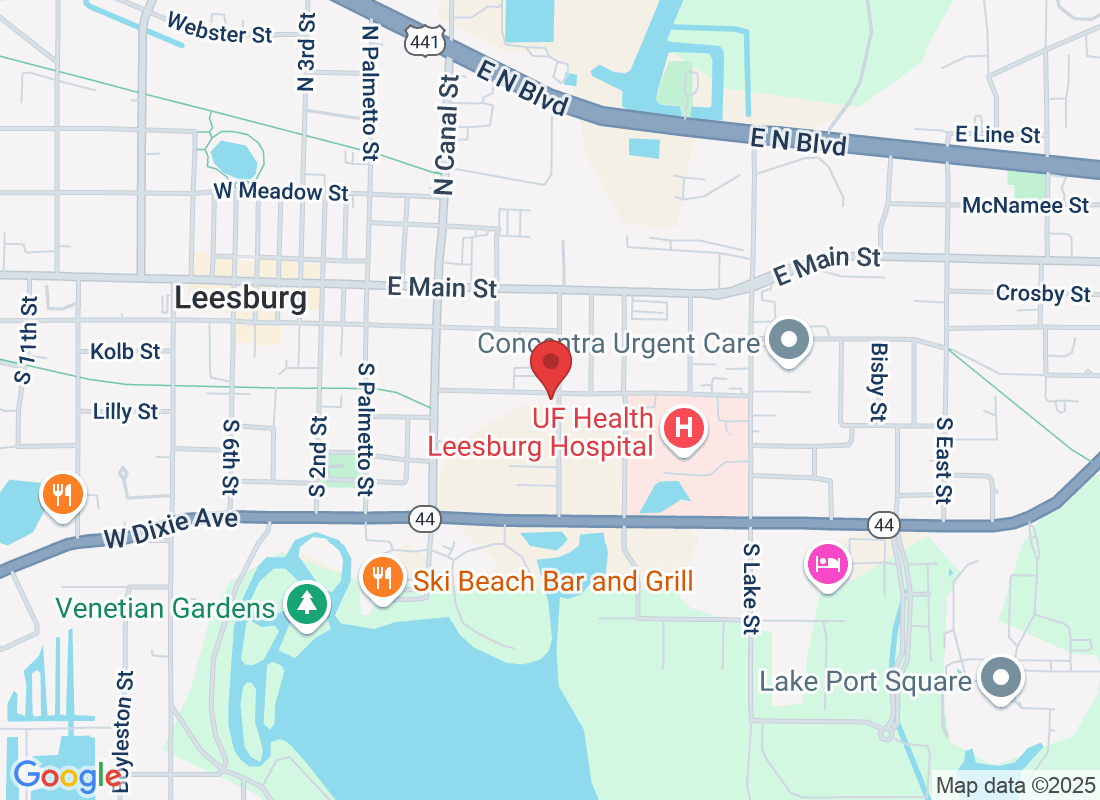
Plantar fasciitis is a prevalent foot condition that causes heel pain and discomfort, often exacerbated by prolonged standing or walking. This painful inflammation of the plantar fascia, a thick band of tissue that runs across the bottom of the foot, is particularly common among individuals who lead active lifestyles or those who spend long hours on their feet. At the Center for Ankle and Foot Care, located in Clermont and Leesburg, Florida, we understand the challenges faced by plantar fasciitis sufferers, especially when it comes to establishing a morning routine that alleviates pain and promotes healing.
What Causes Plantar Fasciitis?
Plantar fasciitis may arise from a combination of factors, including:
- Overuse or excessive physical activity, particularly in runners or athletes.
- Foot structure abnormalities, such as flat feet or high arches.
- Improper footwear that lacks support or cushioning.
- Obesity, which places additional stress on the plantar fascia.
- Aging, leading to degeneration of the plantar fascia tissue.
Understanding these causes can help in adopting a morning routine designed to alleviate pain and prevent further injury.
How Can I Treat Plantar Fasciitis?
Effective treatment for plantar fasciitis often involves a combination of conservative methods, including:
- Stretching exercises to improve flexibility in the plantar fascia and Achilles tendon.
- Ice therapy to reduce inflammation and alleviate pain.
- Foot orthotics or insoles to provide support and distribute pressure evenly.
- Nonsteroidal anti-inflammatory medications (NSAIDs) for pain relief.
Clermont’s Best Morning Routine for Plantar Fasciitis Sufferers
Establishing a consistent morning routine can help manage plantar fasciitis symptoms effectively. Here’s a step-by-step guide to start your day:
1. Gentle Stretching
Begin your morning with gentle stretching exercises to warm up the plantar fascia and the calf muscles:
- Calf Stretch: Stand facing a wall, place your hands on the wall, and step one foot back, keeping it straight. Bend the front knee slightly and hold for 15-30 seconds, feeling a stretch in the back leg.
- Plantar Fascia Stretch: Sit down and cross one leg over the other. Gently pull your toes back towards your shin, holding for 15-30 seconds.
2. Ice Treatment
After stretching, use ice therapy to reduce any inflammation. You can:
- Roll your foot over a frozen water bottle for 5-10 minutes.
- Wrap ice in a cloth and apply to the heel for 10-15 minutes.
3. Footwear Check
Before getting out of bed, assess your footwear. It’s essential to wear supportive shoes that provide adequate cushioning, even in the morning. Avoid walking barefoot on hard surfaces, as this can exacerbate pain.
4. Gradual Weight-Bearing
As you transition from resting to standing, take it slow. Stand up gently, supporting yourself with a wall or furniture if necessary. Gradually distribute your weight across both feet before taking steps to allow your foot to adjust.
5. Strengthening Exercises
Including foot and ankle strengthening exercises can enhance stability and support:
- Toe Raises: Stand on the balls of your feet, hold for a few seconds, and lower back down. Repeat 10-15 times.
- Marble Pick-Up: Use your toes to pick up marbles or small objects off the floor to enhance dexterity.
When Should I See a Podiatrist?
If you continue to experience pain despite following these recommendations, or if the pain worsens, it may be time to consult a professional. At the Center for Ankle and Foot Care, we can assess your condition thoroughly and provide tailored treatment options, including physical therapy, custom orthotics, or advanced treatments.
FAQs About Plantar Fasciitis
1. What are the first signs of plantar fasciitis?
Early signs include heel pain and stiffness, particularly after long periods of sitting or upon waking up in the morning.
2. Is plantar fasciitis common in athletes?
Yes, it is common among athletes, especially runners and those engaged in high-impact sports.
3. Can weight loss help alleviate plantar fasciitis?
Yes, maintaining a healthy weight can significantly reduce stress on the plantar fascia and help alleviate symptoms.
4. How long does it take to recover from plantar fasciitis?
Recovery time varies, but most individuals see improvement within a few weeks to several months with appropriate treatment.
5. Are there any exercises I should avoid with plantar fasciitis?
Avoid high-impact exercises and excessive running until your symptoms have improved. Focus on low-impact activities like swimming or cycling instead.
Ending Note
Establishing a dedicated morning routine is instrumental for managing plantar fasciitis effectively. At the Center for Ankle and Foot Care in Clermont and Leesburg, Florida, we are committed to helping you regain comfort and function in your feet. For personalized care and treatment options, book an appointment with us today.