What Clermont Patients Should Know About Corns and Calluses
Understanding Corns and Calluses
At the Center for Ankle and Foot Care, located in Clermont and Leesburg, Florida, we understand the discomfort that comes with corns and calluses. These common foot conditions arise due to excessive pressure and friction on the skin, often leading to pain and discomfort during daily activities. In this article, we will explore the causes, symptoms, treatment options, and prevention strategies for corns and calluses.
What Causes Corns and Calluses?
Corns and calluses develop as a protective response to friction and pressure. Understanding the specific causes can help you manage and prevent these conditions effectively.
- Improper Footwear: Wearing shoes that do not fit properly—either too tight or too loose—can create friction against your skin, leading to corns and calluses.
- Foot Deformities: Structural issues such as bunions, hammer toes, or flat feet can alter your gait, increasing pressure on specific areas of your feet.
- Physical Activity: High-impact activities or sports can lead to increased friction, particularly if proper footwear is not used.
- Age: As we age, our skin becomes thinner, and the protective fatty padding on the soles of our feet decreases, making us more susceptible to developing corns and calluses.
What Are the Symptoms of Corns and Calluses?
The symptoms of corns and calluses can vary depending on their severity and location:
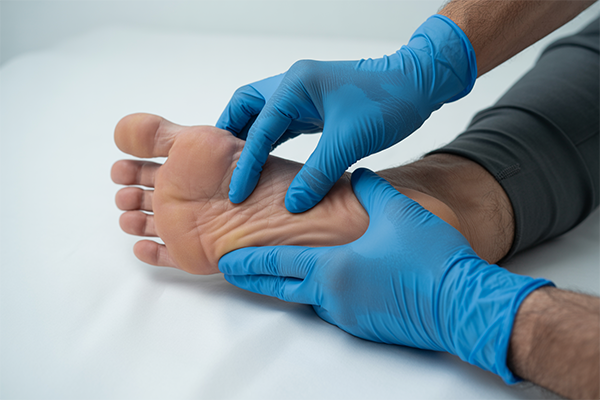
- Thickened Skin: Both conditions present as a thickened area of skin that feels hard and raised.
- Pain or Tenderness: Corns, in particular, can be painful, especially when pressure is applied.
- Discomfort During Walking: Calluses may not cause pain, but they can lead to discomfort when walking or standing for long periods.
- Skin Color Changes: The affected area may appear yellowish or grey due to increased keratin accumulation.
How Can I Treat Corns and Calluses?
Treating corns and calluses effectively involves relieving pressure and removing excess skin. Here are several treatment options available:
- Footwear Adjustments: Choose shoes with a proper fit, adequate cushioning, and support to minimize friction.
- Topical Treatments: Over-the-counter treatments containing salicylic acid can help dissolve hard skin. However, it's crucial to follow package instructions carefully.
- Soaking and Exfoliating: Soaking your feet in warm, soapy water can soften thickened skin. After soaking, gently exfoliate the area with a pumice stone.
- Podiatrist Intervention: If self-care measures fail, consult a podiatrist at the Center for Ankle and Foot Care. We can safely remove corns and calluses and identify any underlying conditions contributing to their formation.
How Can I Prevent Corns and Calluses?
Preventing corns and calluses primarily involves reducing friction and pressure on your feet. Here are some strategies:
- Wear Comfortable Shoes: Always choose well-fitted, supportive footwear that does not cause friction against your skin.
- Use Protective Pads: Consider using silicone or gel pads to reduce pressure on areas prone to corns and calluses.
- Maintain Foot Hygiene: Keep your feet clean and moisturized to promote skin health and prevent buildup of thickened skin.
- Regular Foot Check-ups: Schedule periodic evaluations at the Center for Ankle and Foot Care to address any foot issues before they turn into more significant problems.
FAQs About Corns and Calluses
- Q: Are corns and calluses the same thing?
A: No, while both are thickened skin due to friction, corns usually have a hard center and can be painful, while calluses are typically larger, more diffuse, and less painful. - Q: Can I treat corns and calluses at home?
A: Yes, home treatments include soaking, exfoliating, and using topical treatments. However, persistent issues should be assessed by a podiatrist. - Q: When should I see a podiatrist?
A: If your corns or calluses are painful, recurrent, or affecting your mobility, consult the professionals at the Center for Ankle and Foot Care. - Q: Can corns and calluses lead to more serious foot problems?
A: Yes, if left untreated, they can lead to infections or other complications, especially in individuals with diabetes or poor circulation. - Q: Is it necessary to remove corns and calluses?
A: It is not always necessary, but removal can provide relief from pain and discomfort and improve foot health.
Conclusion
Corns and calluses may seem like minor issues, but they can lead to significant discomfort and mobility challenges if not properly managed. At the Center for Ankle and Foot Care in Clermont and Leesburg, Florida, we are dedicated to providing effective treatment solutions. If you are struggling with corns, calluses, or any other foot-related concerns, book an appointment today for personalized care and support.