
Bunions and Gait Compensation Patterns
Understanding Bunions: Causes and Symptoms
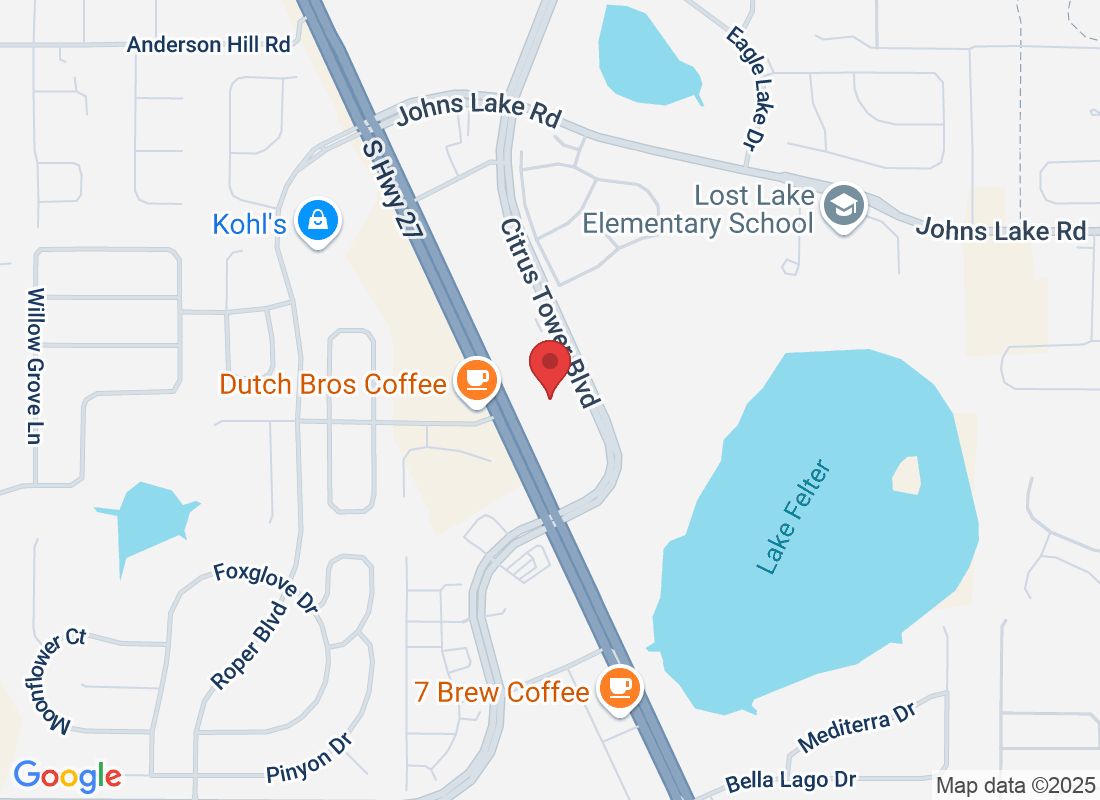
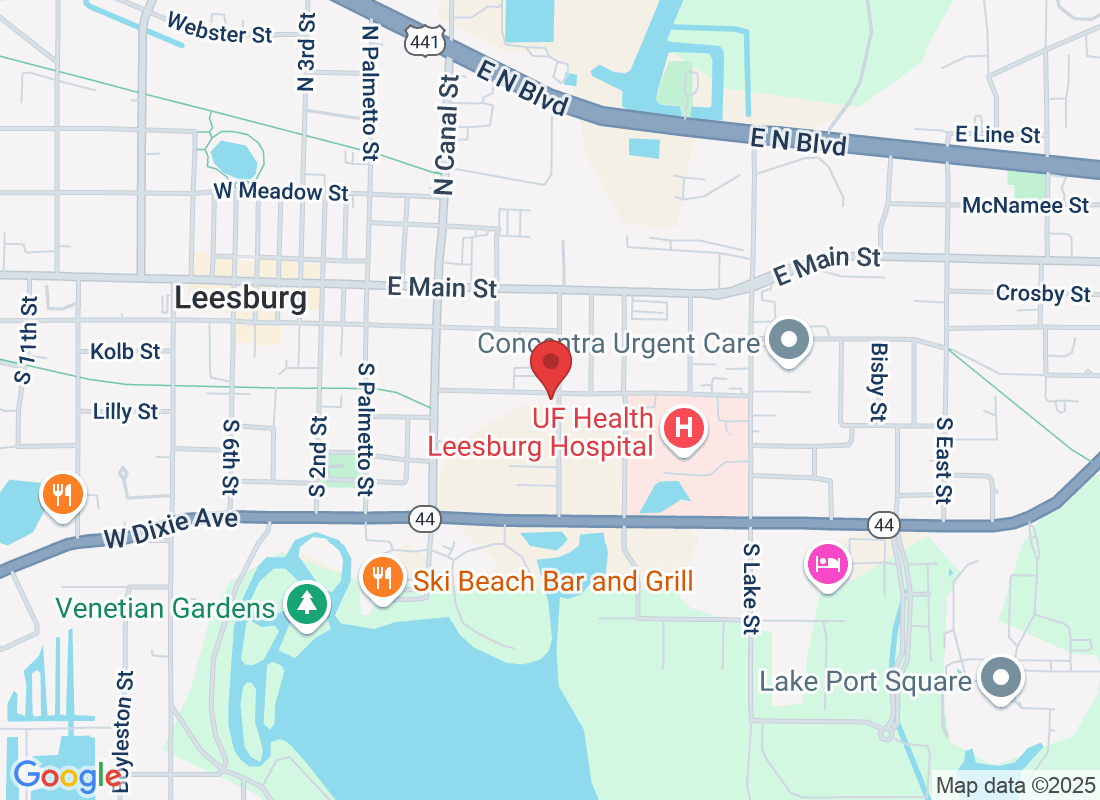
Bunions, medically known as hallux valgus, are bony bumps that develop on the outside of the big toe. They arise when the big toe pushes against the second toe, causing the joint to protrude and become inflamed. At the Center for Ankle and Foot Care in Clermont and Leesburg, Florida, we frequently see patients suffering from bunions and the associated gait compensation patterns.
What Causes Bunions?
- Genetics: A family history of bunions can significantly increase your risk.
- Footwear: Tight, narrow, or high-heeled shoes can contribute to bunion formation.
- Foot Structure: Abnormalities in foot structure, such as flat feet or low arches, can lead to bunions.
- Arthritis: Certain types of arthritis can exacerbate the development of bunions.
Recognizing Bunions: Key Symptoms
Common symptoms of bunions include:
- Swelling, redness, or soreness at the base of the big toe.
- Development of a painful bump on the outside of the big toe.
- Restricted movement or difficulty moving the big toe.
- Pain in the foot that worsens with activity and improves with rest.
Bunions and Gait Compensation Patterns
When bunions develop, they can significantly affect the way an individual walks, leading to compensatory gait patterns. The human gait cycle is a complex process, and any alteration, such as pain from bunions, can cause changes in this cycle.
How Do Bunions Affect Gait?
Bunions can lead to a variety of compensatory patterns as individuals attempt to alleviate discomfort. Some common adaptations include:
- Altered Weight Distribution: Patients may shift their weight to other areas of the foot or to the opposite foot to avoid pain.
- Changes in Walking Speed: Those with bunions may subconsciously walk slower or more cautiously to minimize discomfort.
- Increased Limb Compensations: The hips, knees, and lower back may compensate due to altered foot mechanics, leading to potential misalignments and further pain.
How Can I Treat Bunions and Address Gait Issues?
Effective management of bunions includes a multi-faceted approach:
- Footwear Modifications: Choose shoes with a wide toe box that provide adequate support.
- Orthotics: Custom orthotics can help redistribute pressure and improve alignment.
- Physical Therapy: Stretching and strengthening exercises can enhance foot function and reduce compensatory gait patterns.
- Medication: Over-the-counter anti-inflammatory medications can relieve pain and swelling.
- Surgery: In severe cases, surgical intervention may be necessary to correct the bunion and restore normal function.
Preventing the Worsening of Bunions
While not all bunions can be prevented, certain lifestyle changes may reduce the risk of their progression:
- Choose shoes that fit properly and provide adequate support.
- Incorporate regular foot exercises into your routine.
- Maintain a healthy weight to reduce stress on your feet.
FAQs About Bunions and Gait Compensation
1. Can bunions cause other foot problems?
Yes, bunions can lead to additional foot issues such as metatarsalgia, hammertoes, and plantar fasciitis due to altered gait mechanics.
2. Is surgery the only option for bunions?
Surgery is typically considered a last resort after conservative treatments have failed. Non-surgical options should always be explored first.
3. How long does recovery take after bunion surgery?
Recovery time varies but often ranges from 6 weeks to several months, depending on the surgical procedure and individual factors.
4. Are there exercises that can help with bunion pain?
Yes. Stretching the big toe, strengthening foot muscles, and maintaining overall foot flexibility can alleviate pain.
5. When should I see a podiatrist for my bunions?
If you experience persistent pain, difficulty walking, or signs of inflammation, it’s important to consult a podiatrist like those at the Center for Ankle and Foot Care.
Contact Us for Expert Care
If you are suffering from bunions or related gait compensation issues, do not hesitate to contact the Center for Ankle and Foot Care in Clermont and Leesburg, Florida. Our dedicated team of medical professionals is here to provide you with the comprehensive care you need. Book an appointment today!