Bunion Pain and Structural Stress
Understanding Bunion Pain and Structural Stress
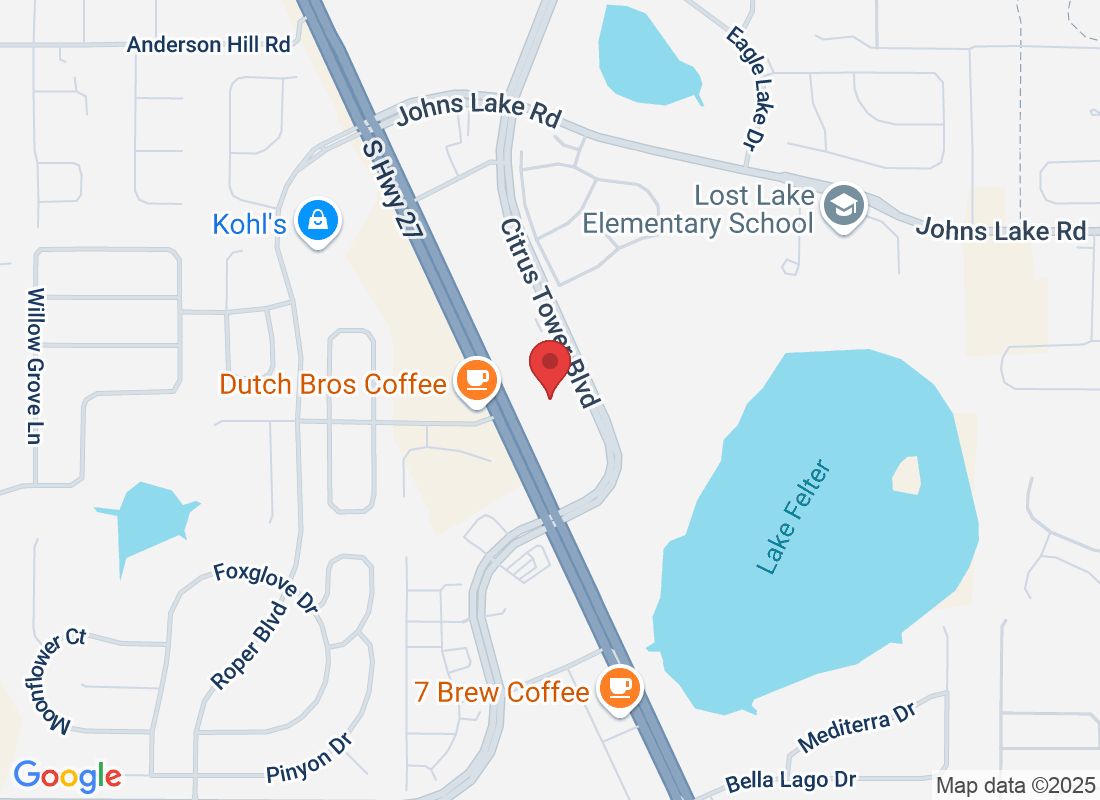
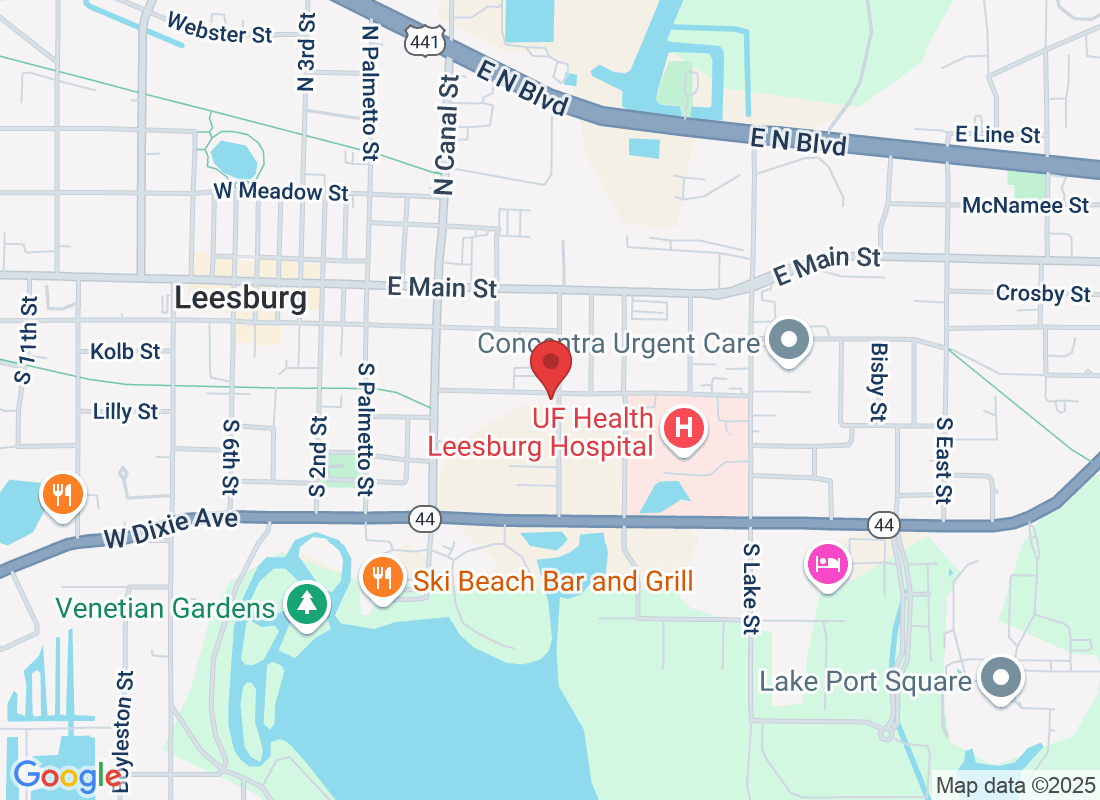
Bunions, medically known as hallux valgus, are a prevalent foot condition characterized by a bony protrusion at the base of the big toe. This deformity can lead to significant pain and discomfort, often exacerbated by structural stress on the foot. At the Center for Ankle and Foot Care, located in Clermont and Leesburg, Florida, we aim to provide you with evidence-based information regarding bunion pain and effective treatment options.
What Causes Bunion Pain?
Bunion pain is primarily caused by a combination of genetic and environmental factors that lead to misalignment of the toe joints. Several specific causes include:
- Genetics: Family history plays a critical role; if your parents had bunions, you may be more likely to develop them.
- Footwear: Tight, narrow shoes can exacerbate bunion formation and pain. High heels are notorious for pushing the toes together.
- Foot Structure: Flat feet or low arches can contribute to abnormal foot mechanics, leading to bunion formation.
- Arthritis: Inflammatory conditions like rheumatoid arthritis can lead to bunion degeneration.
How Does Structural Stress Affect Bunions?
Structural stress refers to the physical strain placed on the foot's anatomy due to improper alignment and mechanics. This stress can result in:
- Increased Pain: As the bunion develops, the misalignment creates additional stress on surrounding soft tissues, ligaments, and joints.
- Inflammation: Chronic friction from footwear can lead to bursitis, a painful inflammation of the bursa (a fluid-filled sac) around the big toe joint.
- Joint Damage: Continuous stress can accelerate the wear and tear of cartilage, leading to osteoarthritis in the affected joint.
What Are the Symptoms of Bunion Pain?
Patients with bunions may experience a range of symptoms, including:
- Pain at the base of the big toe, especially during movement or when wearing certain shoes.
- Redness and swelling around the bunion area.
- Limited movement of the big toe.
- Formation of corns or calluses on the bunion or between the toes.
How Can I Treat Bunion Pain?
Treatment for bunion pain often depends on the severity of the condition. At the Center for Ankle and Foot Care, we offer a range of treatment options:
- Conservative Treatments: These include padding, orthotics, and customized shoe recommendations to alleviate pressure on the bunion.
- Physical Therapy: Strengthening and stretching exercises can improve foot mechanics and reduce pain.
- Medication: Nonsteroidal anti-inflammatory drugs (NSAIDs) can relieve pain and reduce inflammation.
- Surgery: In severe cases, surgical intervention may be necessary to realign the toe and remove the bony protrusion. Common procedures include osteotomy, exostectomy, or arthrodesis.
When Should I See a Podiatrist?
If you experience persistent bunion pain that interferes with daily activities or if over-the-counter treatments do not provide relief, it is crucial to consult a podiatrist. The specialists at the Center for Ankle and Foot Care can perform a thorough examination and recommend an individualized treatment plan to address your specific needs.
FAQs About Bunion Pain
1. Can bunions be prevented?
While genetic factors often play a significant role in bunion formation, choosing properly fitting footwear and maintaining a healthy weight can help mitigate risks.
2. Are bunions only a cosmetic issue?
No, bunions can cause significant pain, difficulty walking, and other complications such as arthritis if left unaddressed.
3. What is the best type of footwear for bunion sufferers?
Look for shoes with a wide toe box, good arch support, and cushioning to minimize pressure on the bunion. Avoid narrow, high-heeled shoes.
4. How long is the recovery time after bunion surgery?
Recovery time varies; generally, you can expect to be in a protective shoe for 4-6 weeks, with full recovery taking several months.
5. Can exercises help reduce bunion pain?
Yes, specific exercises can improve foot strength, flexibility, and alignment, helping reduce discomfort associated with bunions.
Conclusion
Bunion pain and the structural stress it causes can significantly affect your quality of life. Understanding the causes, symptoms, and treatment options is essential in managing this condition effectively. If you're facing bunion pain in Clermont or Leesburg, Florida, the experts at the Center for Ankle and Foot Care are here to help. We provide comprehensive care tailored specifically to your needs. Don’t let bunion pain hold you back — schedule an appointment with us today to explore effective treatment options!