
Bunion Pain Management Approaches
Bunion Pain Management Approaches
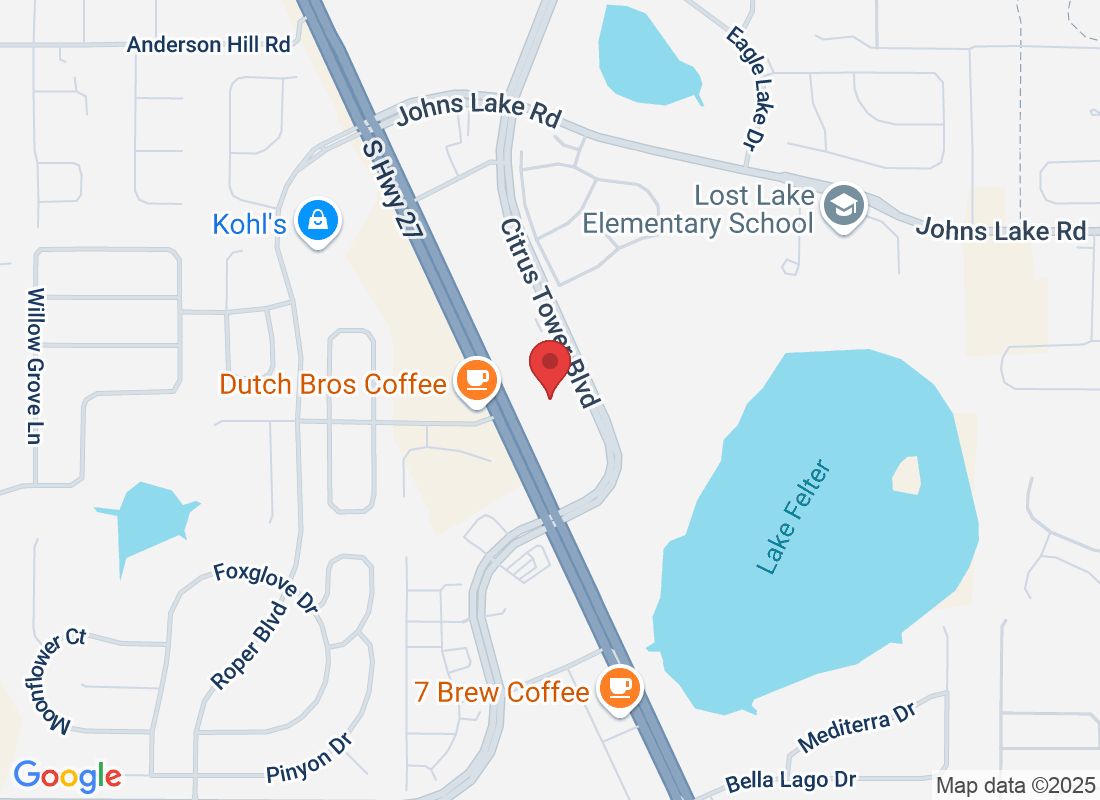
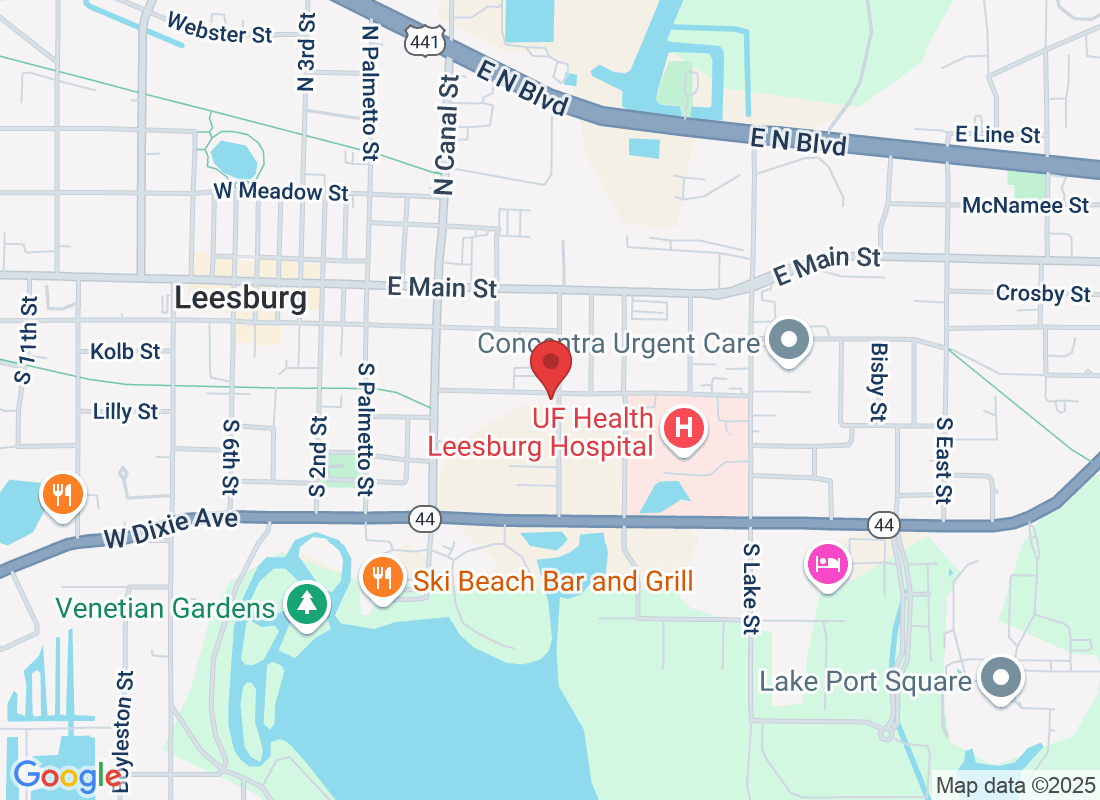
At the Center for Ankle and Foot Care, located in Clermont and Leesburg, Florida, we understand that bunion pain can significantly impact your daily life. Bunions, medically known as hallux valgus, are bony protrusions that form at the base of the big toe, causing pain, discomfort, and difficulty with footwear. This blog post will explore evidence-based bunion pain management approaches to help you regain comfort and mobility.
What Causes Bunions?
Bunions develop due to various factors, including:
- Genetics: A family history of bunions may increase your likelihood of developing them.
- Footwear: Ill-fitting shoes, especially those with narrow toe boxes and high heels, can exacerbate bunion formation.
- Biomechanical Factors: Abnormal foot mechanics and conditions like flat feet can contribute to the development of bunions.
- Age: The risk of bunions may increase with age due to weakened ligaments and joint wear.
How Can I Treat Bunion Pain at Home?
Many individuals can effectively manage bunion pain through conservative home treatment. Here are some approaches you can take:
- Footwear Modification: Opt for well-fitting shoes with a wide toe box that alleviate pressure on the bunion.
- Orthotic Devices: Custom orthotic insoles can help redistribute pressure and improve foot alignment.
- Padding: Use bunion pads or silicone gel pads to cushion the area and reduce irritation.
- Icing: Applying ice to the affected area can help alleviate swelling and pain.
When Should I See a Podiatrist for Bunion Pain?
If your bunion pain persists despite at-home treatments or interferes with your daily activities, it's essential to seek professional care. A podiatrist can provide a comprehensive evaluation and recommend personalized treatment options. Symptoms warranting a visit include:
- Severe, persistent pain
- Redness or swelling that does not subside
- Difficulty walking or performing daily activities
What Medical Treatments are Available?
When conservative measures are insufficient, medical treatments may be necessary. Options include:
- Medications: Nonsteroidal anti-inflammatory drugs (NSAIDs), such as ibuprofen, can help alleviate pain and reduce inflammation.
- Corticosteroid Injections: For severe pain, cortisone injections can provide temporary relief by reducing inflammation.
- Physical Therapy: A physical therapist can guide you through exercises designed to strengthen foot muscles and improve flexibility.
- Surgery: In cases where conservative treatments fail, surgical options may be appropriate. Procedures aim to realign the toe and alleviate pain.
Can Bunion Surgery Really Help?
Surgical intervention can be highly effective for severe bunions. The most common procedures include:
- Osteotomy: Reshaping the bone to correct alignment.
- Exostectomy: Removing the bony bump.
- Arthrodesis: Fusing damaged joints in the affected area.
Each surgical option has its risks and benefits, and our podiatric specialists at the Center for Ankle and Foot Care will work with you to determine the most appropriate approach based on your unique needs.
What Lifestyle Changes Can Help Prevent Bunion Pain?
Incorporating healthy lifestyle changes can help mitigate bunion pain and prevent progression. Consider the following:
- Choose Appropriate Footwear: Invest in shoes that provide proper support and adequate room for your toes.
- Maintain a Healthy Weight: Excess weight can put additional stress on your feet and joints.
- Stay Active: Engage in low-impact activities like swimming or cycling to maintain foot health without undue stress.
Frequently Asked Questions (FAQ)
1. Are bunions hereditary?
Yes, bunions can run in families, indicating a genetic predisposition to develop this condition.
2. Can bunions be reversed?
While bunions cannot be completely reversed without surgery, conservative measures can effectively manage symptoms and halt progression.
3. What footwear should I avoid with bunions?
Avoid shoes with narrow toe boxes, high heels, and stiff materials that aggravate bunion pain.
4. How long does recovery take after bunion surgery?
Recovery time varies by individual and the specific procedure but generally ranges from a few weeks to several months.
5. Can physical therapy help with bunion pain?
Yes, physical therapy can improve foot function and alleviate pain through exercises and stretches tailored to strengthen surrounding muscles.
Managing bunion pain is possible with the right approach. If you're experiencing discomfort or need guidance on bunion treatment, contact the Center for Ankle and Foot Care in Clermont and Leesburg, Florida. Our dedicated team is here to support your foot health journey. Book your appointment today!