
Bunion Formation and Forefoot Mechanics
Bunion Formation and Forefoot Mechanics
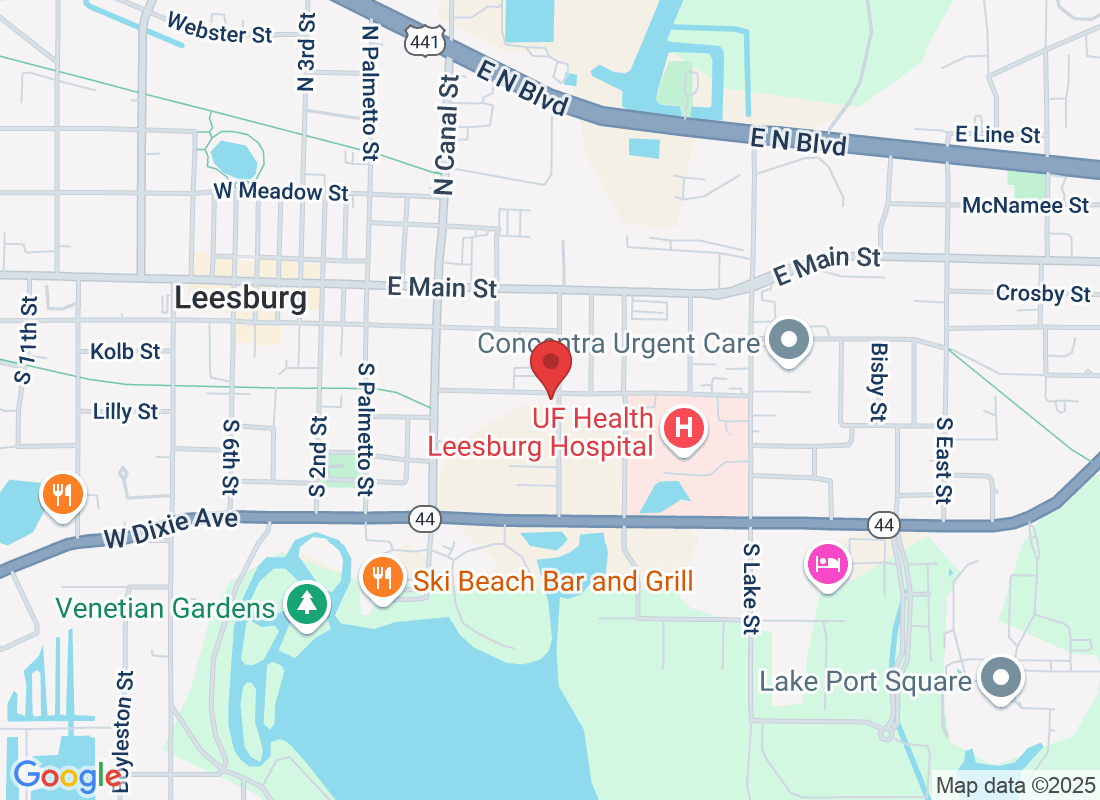
At the Center for Ankle and Foot Care, located in Clermont and Leesburg, Florida, we prioritize patient education about foot health. One common condition we frequently encounter is the formation of bunions, a condition that affects many individuals, often leading to discomfort and altered foot mechanics. Understanding what causes bunions and how they impact your feet can help you find effective treatments and manage your foot health better.
What are Bunions?
A bunion, or hallux valgus, is a bony protrusion that develops at the base of the big toe. As the big toe deviates towards the second toe, it leads to an abnormal alignment of the joint. This misalignment can cause various symptoms, including swelling, redness, and pain, particularly when wearing shoes.
What Causes Bunions to Form?
Bunions can result from a combination of genetic, environmental, and biomechanical factors:
- Genetics: A family history of bunions can increase the likelihood of developing them.
- Footwear: High heels and narrow-toed shoes can exacerbate bunion formation by placing excessive pressure on the big toe.
- Foot Structure: Flat feet and overpronation (the inward rolling of the foot) can contribute to abnormal foot mechanics, leading to bunion development.
- Arthritis: Conditions such as rheumatoid arthritis can affect joint alignment and promote bunion formation.
How Do Bunions Affect Forefoot Mechanics?
Bunions impact the way your foot functions. This misalignment can lead to:
- Altered Gait: Individuals may begin to compensate for pain in the bunion, leading to a change in walking patterns.
- Increased Pressure: Bunions can lead to excessive pressure on neighboring toes, causing additional deformities such as hammertoes or corns.
- Knee and Hip Issues: Changes in foot mechanics can also affect alignment in the knees and hips, potentially causing joint pain over time.
How Can I Treat Bunions?
Early intervention is key to managing bunions effectively. Here are some treatment options:
- Conservative Management: This includes wearing properly fitted shoes with a wide toe box, using protective pads, and taking non-steroidal anti-inflammatory drugs (NSAIDs) to relieve pain.
- Orthotics: Custom orthotic devices can help correct foot alignment and redistribute pressure on the foot.
- Physical Therapy: Exercises aimed at strengthening foot muscles and improving flexibility can alleviate symptoms.
- Surgical Intervention: If conservative treatments fail, surgical options such as osteotomy or bunionectomy may be considered to realign the toe and alleviate pain.
When Should I See a Podiatrist?
If you notice persistent pain, swelling, or difficulty in wearing shoes due to bunions, it’s essential to consult a podiatrist. At the Center for Ankle and Foot Care, our specialists are equipped to provide a comprehensive evaluation and tailored treatment options to meet your specific needs.
Frequently Asked Questions (FAQ)
- Can bunions be prevented? While genetic factors play a significant role, avoiding narrow shoes and maintaining proper foot hygiene can help reduce the risk.
- Are bunions painful? Not everyone with a bunion experiences pain, but discomfort is common, especially when wearing tight footwear.
- What types of shoes should I wear if I have bunions? Opt for shoes with a wide toe box, low heels, and soft soles to minimize pressure on the bunion.
- How long is the recovery period after bunion surgery? Recovery can vary, but most individuals return to normal activities within 6-12 weeks, depending on the surgical procedure performed.
- Will I need physical therapy after bunion surgery? Many patients benefit from physical therapy after surgery to re-strengthen the foot and improve range of motion.
Conclusion
Bunion formation is a prevalent podiatric issue that can significantly impact foot mechanics and overall comfort. Understanding its causes and treatment options is crucial in managing symptoms effectively. If you are dealing with bunions or are concerned about your foot health, the Center for Ankle and Foot Care in Clermont and Leesburg, Florida, is here to help. Book an appointment today to start your journey towards healthier feet.