
The Biomechanics Behind Ankle Pain and Instability
The Biomechanics Behind Ankle Pain and Instability
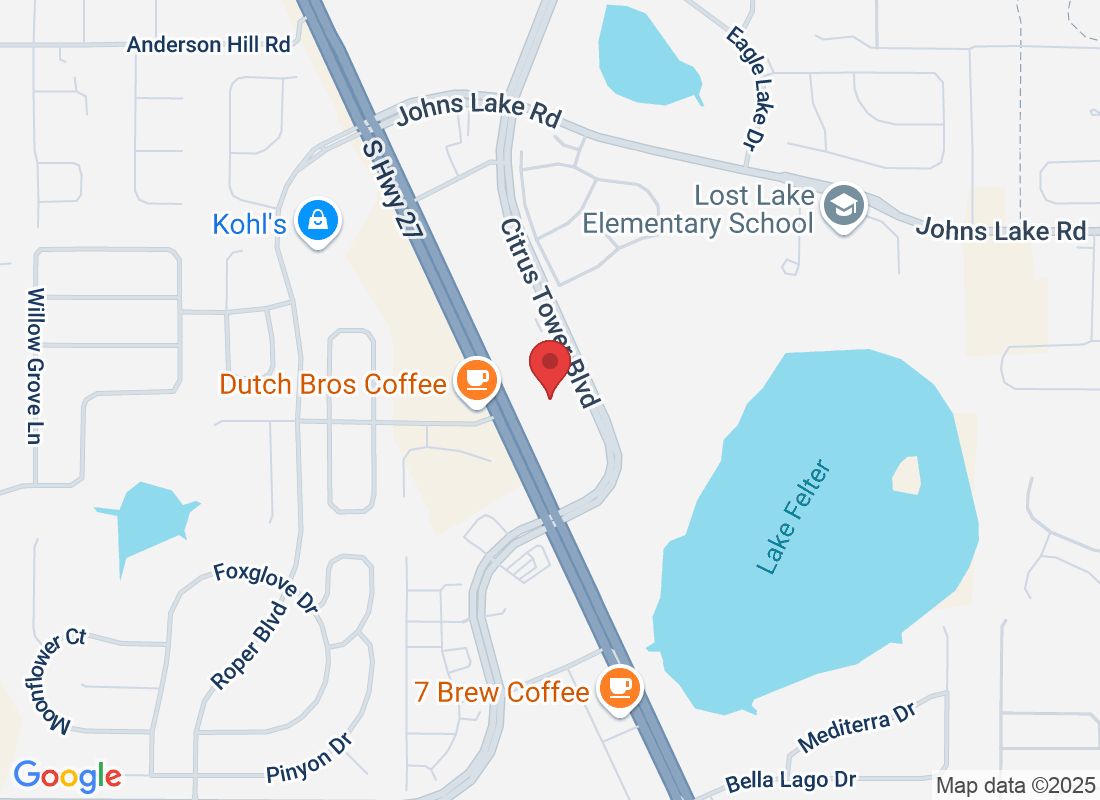
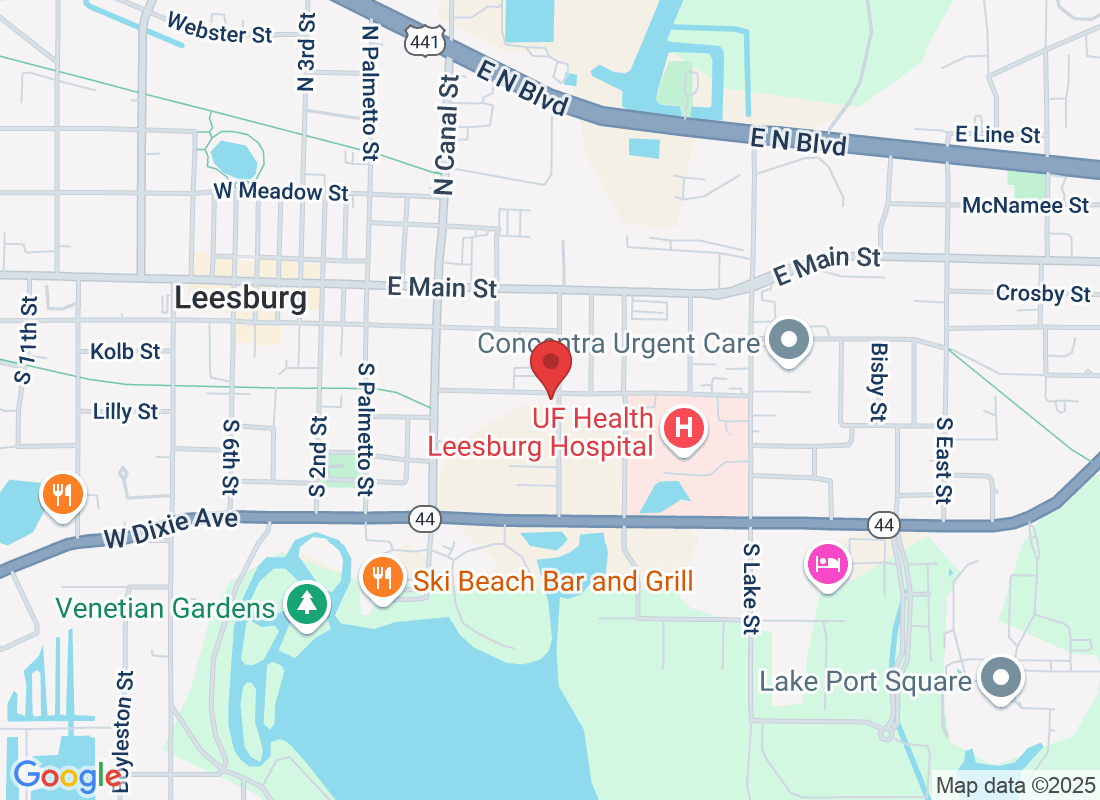
Ankle pain and instability are common concerns that can significantly affect your daily life. At the Center for Ankle and Foot Care in Clermont and Leesburg, Florida, we understand the complexities of these conditions. Here, we delve into the biomechanics behind ankle pain and how understanding these factors can lead to better treatment and prevention strategies.
What Causes Ankle Pain and Instability?
Ankle pain and instability can arise from various causes, primarily related to biomechanical factors. Understanding these factors can aid in effective treatment.
- Inversion Ankle Sprains: Occur when the ankle rolls inward, often due to poor foot mechanics or inadequate footwear.
- Overpronation: The foot rolls excessively inward during walking, leading to misalignment and increased strain on the ankle.
- Tendinitis: Inflammation of the ankle tendons, often caused by overuse or biomechanical abnormalities.
- Arthritis: Conditions like osteoarthritis or rheumatoid arthritis can affect joint stability and cause pain.
- Structural Abnormalities: Flatfoot or high-arch deformities can impact how weight is distributed across the ankle.
How Does Biomechanics Affect Ankle Function?
The biomechanics of the ankle involve the interaction of bones, ligaments, muscles, and tendons. A few key anatomical and mechanical components include:
- Talus: The ankle bone that connects to the leg bones, allowing for movement.
- Fibula and Tibia: Provide structural stability and support during movement.
- Ligaments: Provide passive stability by connecting bones and limiting excessive movement.
- Muscles: Active structures like the peroneal muscles stabilize the ankle during motion.
When any of these components function improperly, it can lead to pain, weakness, and instability in the ankle joint.
How Can I Treat Ankle Pain and Instability?
Effective treatment for ankle pain and instability often requires a multifaceted approach:
- Rest and Ice: Allowing the ankle to heal can reduce inflammation and pain.
- Physical Therapy: A tailored rehabilitation program aims to strengthen the muscles surrounding the ankle and improve stability.
- Orthotic Devices: Custom foot orthotics can provide support, correct overpronation, and improve alignment.
- Medication: Over-the-counter anti-inflammatory drugs can help alleviate pain and swelling.
- Surgery: In cases of severe instability or structural issues, surgical intervention may be necessary to stabilize the ankle.
What Are the Long-Term Effects of Untreated Ankle Issues?
If left untreated, ankle pain and instability can lead to chronic conditions such as:
- Osteoarthritis: Repeated injuries can accelerate wear-and-tear on the cartilage, leading to arthritis.
- Increased Risk of Re-injury: Instability may cause recurring sprains and chronic pain.
- Altered Gait: Compensation for pain may lead to issues in other areas, including the knee and hip joints.
What Can I Do to Prevent Ankle Problems?
Preventive measures can significantly reduce your risk of ankle pain and instability:
- Wear Proper Footwear: Choose shoes that provide adequate support and cushioning for your foot type.
- Strength Training: Engage in exercises that strengthen the ankle and foot muscles.
- Balance Exercises: Incorporate activities that improve balance and coordination to support ankle stability.
- Warm-Up: Ensure proper warm-up before engaging in sports or physical activities to prepare the ankle for stress.
Frequently Asked Questions
1. Can ankle instability occur without pain?
Yes, it is possible to experience ankle instability without significant pain. You may feel a sensation of giving way without acute discomfort.
2. How do I know if I need medical treatment for my ankle?
If you experience persistent pain, swelling, or instability, it is crucial to consult a podiatrist for a comprehensive evaluation.
3. What role do biomechanics play in sports injuries?
Biomechanical factors significantly influence the risk of ankle injuries in athletes, making proper assessment and training crucial.
4. Are there specific stretches recommended for ankle pain?
Yes, stretches focusing on the calf muscles and Achilles tendon can help alleviate tension and improve ankle flexibility.
5. How long does it take to recover from an ankle sprain?
Recovery time varies depending on the severity but typically ranges from a few days to several weeks with proper care.
Conclusion
Understanding the biomechanics behind ankle pain and instability is key to effective management and prevention. The team at the Center for Ankle and Foot Care, serving Clermont and Leesburg, Florida, is here to provide personalized care and treatment options for your ankle concerns. If you’re experiencing ankle pain, don’t hesitate to book an appointment today for a comprehensive assessment.