Barefoot Shoes Are Trending—but Are They Right for Everyone?
Barefoot Shoes Are Trending—but Are They Right for Everyone?
At the Center for Ankle and Foot Care in Clermont and Leesburg, Florida, we often encounter patients interested in the latest footwear trends. One such trend gaining traction is barefoot shoes. These unique footwear options have both supporters and critics. This article aims to provide an evidence-based overview of barefoot shoes, their potential benefits and drawbacks, and help you determine if they're suitable for your foot health.
What Are Barefoot Shoes?
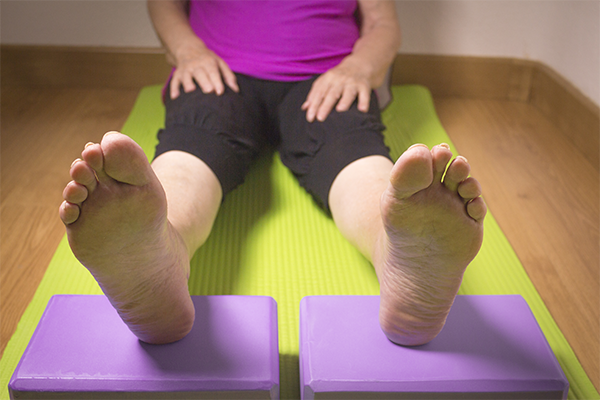
Barefoot shoes are designed to replicate the conditions of being barefoot while providing minimal impact protection. They typically feature a thin, flexible sole, a wide toe box, and little to no heel elevation. The idea is to allow the foot to function as naturally as possible. But what does that mean for your feet?
What Are the Benefits of Barefoot Shoes?
- Increased Foot Strength: Studies suggest that wearing barefoot shoes can enhance foot and ankle muscle strength.
- Improved Balance and Proprioception: Going barefoot can help improve your body's awareness of its position in space, leading to better balance.
- Natural Foot Mechanics: By allowing your foot to move more freely, barefoot shoes may promote a more natural gait, potentially reducing the risk of injury.
Are There Any Risks Associated with Barefoot Shoes?
While many find barefoot shoes beneficial, they are not without risks:
- Injury Risk: Transitioning too quickly to barefoot shoes can lead to injuries such as plantar fasciitis, Achilles tendinitis, or bone stress injuries.
- Foot Conditions: Individuals with existing foot conditions like flat feet or high arches may experience discomfort or exacerbate their condition.
- Adaptation Period: It’s crucial to give your feet time to adjust to new footwear, which can take weeks or even months.
Who Should Avoid Barefoot Shoes?
Barefoot shoes are not necessarily suitable for everyone. Individuals with the following conditions should approach these shoes with caution:
- Flat Feet: Those with pes planus may require supportive footwear for proper arch support.
- Diabetes: Patients with diabetes should be cautious as they may have nerve damage affecting foot sensitivity.
- Previous Foot Injuries: If you've previously sustained an injury, consult with a podiatrist before making a switch to barefoot shoes.
How Can You Transition to Barefoot Shoes Safely?
For those interested in trying barefoot shoes, introducing them into your footwear rotation gradually is advisable. Here’s how to do it safely:
- Start Slow: Begin by wearing barefoot shoes for short periods, gradually increasing wear time as your feet adapt.
- Incorporate Foot Exercises: Strengthening exercises can improve foot stability and prevent injury as you transition.
- Listen to Your Body: Pay attention to how your feet respond, and consult a health professional if you feel any discomfort.
Consulting a Podiatrist for Personalized Advice
Before making the switch to barefoot shoes, it's essential to consult with a qualified podiatrist. At the Center for Ankle and Foot Care, our experienced team can evaluate your foot type, biomechanics, and any existing conditions to provide personalized recommendations. This is vital for ensuring that your footwear supports optimal foot health.
Frequently Asked Questions (FAQ)
- Can barefoot shoes help with plantar fasciitis?
While some find relief, barefoot shoes may not be suited for everyone with plantar fasciitis. An evaluation is recommended. - Do barefoot shoes really improve athletic performance?
There is mixed evidence regarding performance. Individual results may vary based on foot type and running form. - Is there a specific way to clean barefoot shoes?
Most barefoot shoes can be cleaned with mild soap and warm water, but it's best to follow the manufacturer's instructions. - How often should I replace my barefoot shoes?
As a general guideline, consider replacing them every 300-500 miles depending on wear. - Can children wear barefoot shoes?
Children's feet are still developing, so it's crucial to opt for shoes that provide adequate support during growth phases.
Conclusion: Are Barefoot Shoes Right for You?
Barefoot shoes are an exciting trend offering unique benefits for some individuals. However, they may not be suitable for everyone, especially those with specific foot conditions or previous injuries. At the Center for Ankle and Foot Care in Clermont and Leesburg, Florida, we’re dedicated to helping you make informed choices about your foot health. If you're considering making the switch to barefoot shoes, we invite you to schedule a consultation with our specialists today. You can easily book your appointment through our online system: Book Your Appointment.