
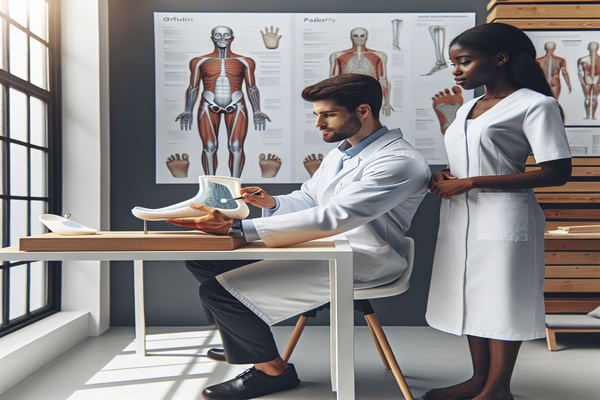
3D-Printed Orthotics in Clermont: Why We’re Obsessed with the Fit
Revolutionizing Foot Care: The Role of 3D-Printed Orthotics
At the Center for Ankle and Foot Care, located in Clermont and Leesburg, Florida, we are dedicated to providing innovative solutions for foot health. One of the most exciting advancements in podiatry is the use of 3D-printed orthotics. These custom-made orthotics enhance both comfort and functionality, addressing various foot conditions effectively. Here’s why we’re obsessed with the fit.
What Are 3D-Printed Orthotics?
3D-printed orthotics are custom insoles created using advanced 3D printing technology. This process involves scanning your feet with precision, analyzing the foot structure, and then designing an orthotic that fits your unique anatomy. Unlike traditional orthotics, which may rely on generic molds, 3D-printed orthotics offer:
- Superior fit
- Reduced manufacturing time
- Customized support based on specific foot conditions
Why Is the Fit So Important?
Properly fitted orthotics can significantly impact your overall foot health. An ill-fitting orthotic can lead to discomfort and exacerbate existing conditions. Here’s why the fit matters:
- Improved Alignment: A well-fitted orthotic promotes proper alignment of the foot and ankle, reducing stress on joints.
- Pain Relief: Custom orthotics can alleviate pain caused by a variety of foot conditions, such as plantar fasciitis, flat feet, and overpronation.
- Enhanced Performance: For athletes, the right orthotic can enhance performance by providing better support and stability during physical activities.
What Foot Conditions Can Benefit from 3D-Printed Orthotics?
Several podiatric conditions can be effectively managed with the use of 3D-printed orthotics:
- Plantar Fasciitis: This condition causes heel pain due to inflammation of the plantar fascia. Custom orthotics can help distribute pressure and reduce strain.
- Flat Feet: Flatfoot syndrome can cause discomfort and pain. Custom orthotics provide arch support and improve foot mechanics.
- Metatarsalgia: This condition involves pain and inflammation in the ball of the foot; orthotics help in redistributing body weight away from the affected area.
- Diabetic Foot: For patients with diabetes, proper foot care is critical. 3D-printed orthotics can prevent ulcers and other complications by providing adequate support.
How Does the 3D Printing Process Work?
The process of creating 3D-printed orthotics at our clinic involves several steps:
- Foot Assessment: Our podiatrists conduct a thorough assessment of your foot structure and biomechanics.
- 3D Scanning: A detailed scan of your feet is taken to capture your unique foot anatomy.
- Design and Fabrication: Using specialized software, we design your orthotics and send the file to a 3D printer, which creates your custom orthotics.
- Fitting and Adjustments: Once printed, you will come in for a fitting appointment where we make any necessary adjustments to ensure optimal fit.
How Can I Care for My 3D-Printed Orthotics?
To prolong the lifespan and effectiveness of your 3D-printed orthotics, proper care is essential. Here are some tips:
- Clean Regularly: Wipe them down with a damp cloth and mild soap as needed.
- Avoid Excessive Heat: Do not place orthotics near heat sources, as this can distort their shape.
- Monitor Wear: Check for signs of wear and consult our clinic for adjustments or replacements if necessary.
Frequently Asked Questions (FAQ)
1. How long do 3D-printed orthotics last?
Typically, 3D-printed orthotics can last anywhere from 1 to 3 years, depending on usage and care.
2. Will insurance cover the cost of 3D-printed orthotics?
Many insurance plans may cover custom orthotics. It’s best to check with your provider for specific details.
3. Can I wear 3D-printed orthotics in all my shoes?
While they are versatile, it’s essential to use them in shoes that accommodate orthotics comfortably. We can help assess your footwear options.
4. Are there any side effects from using orthotics?
Some patients may experience initial discomfort as they adjust to the new orthotic. This typically resolves within a few days.
5. How often should I have my orthotics evaluated?
Regular check-ups every 6-12 months are recommended to ensure your orthotics continue to meet your needs effectively.
Take the Next Step Towards Better Foot Health
If you are interested in experiencing the benefits of 3D-printed orthotics, the Center for Ankle and Foot Care in Clermont and Leesburg, Florida, is here to help. Our team of experts is dedicated to providing personalized care tailored to your specific needs. Schedule an appointment today and take the first step towards healthier, happier feet!