Understanding Verrucas and Corns
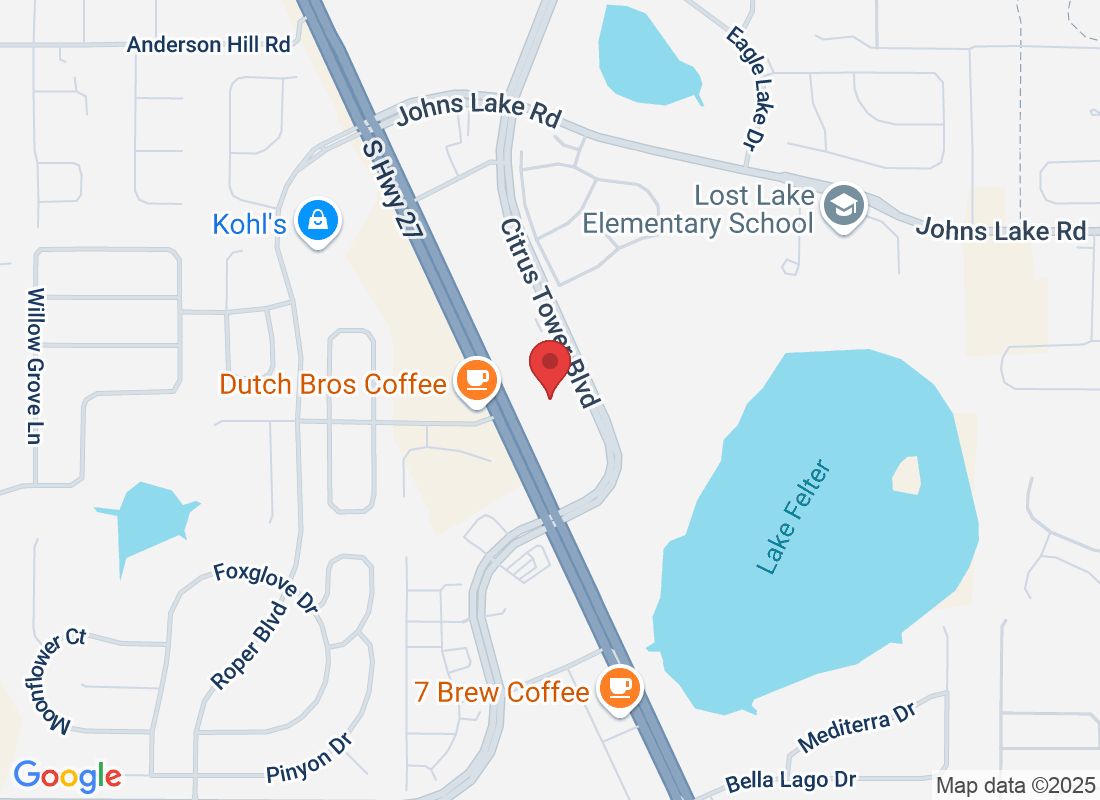
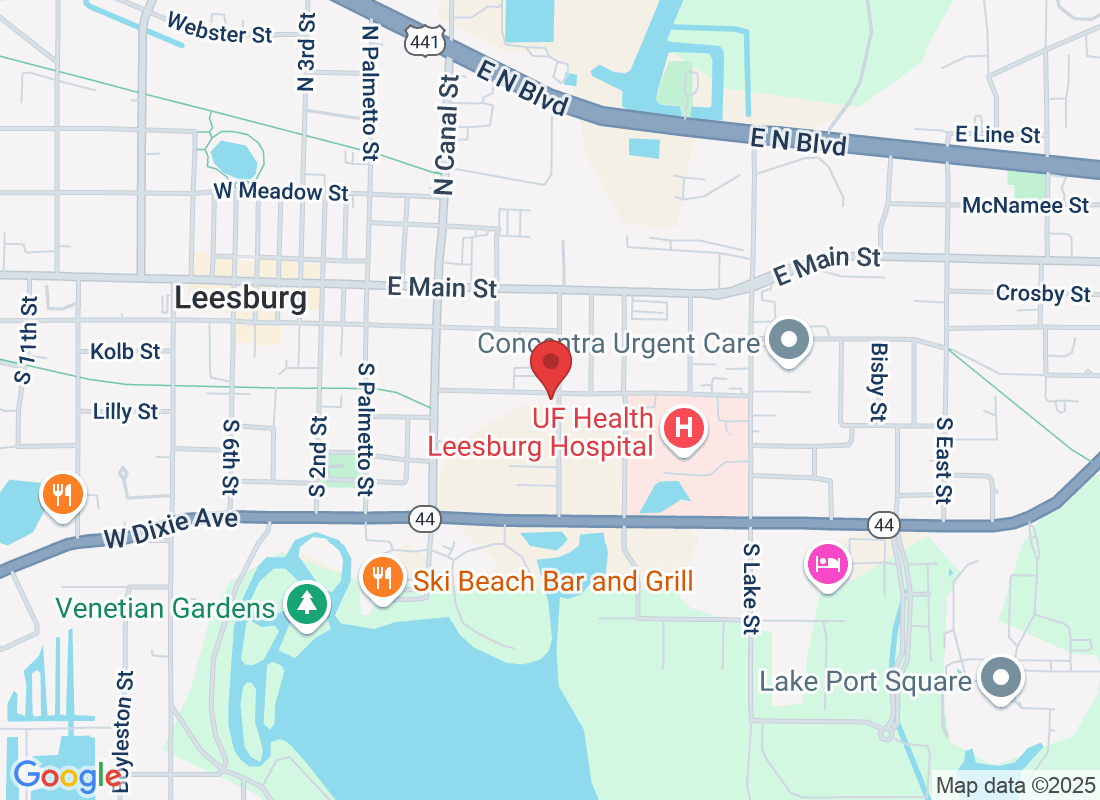
At the Center for Ankle and Foot Care in Clermont and Leesburg, Florida, our podiatrists frequently encounter patients who are confused about the differences between verrucas and corns. Both can cause discomfort in your feet, but they are distinct conditions that require different treatments. This article provides an in-depth look at how to identify each condition and the best ways to manage them.
What Causes Verrucas?
Verrucas, also known as plantar warts, are benign skin growths caused by the human papillomavirus (HPV). They typically appear on the soles of the feet and can be painful when pressure is applied. HPV infects the outer layer of skin, leading to the formation of these wart-like growths.
- Contagion: Verrucas can spread through direct contact with contaminated surfaces, such as swimming pools and locker rooms.
- Risk Factors: Individuals with weakened immune systems or those who frequently walk barefoot are at a higher risk of contracting verrucas.
How to Identify a Corn
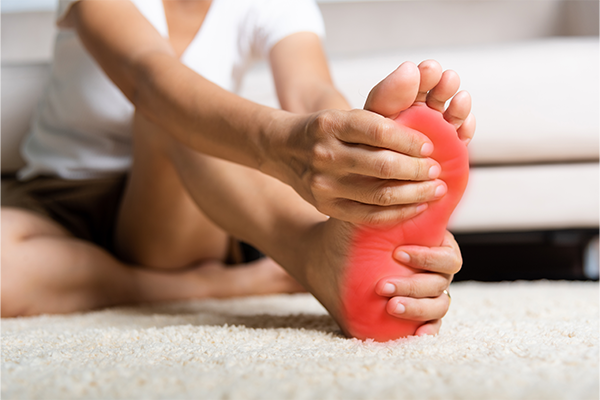
Corns are thickened areas of skin that typically develop on the toes or the soles of the feet due to pressure and friction. They are your body’s natural defense mechanism against irritation and can be quite painful, especially when wearing tight shoes.
- Types of Corns: There are two main types: hard corns and soft corns. Hard corns usually develop on the tops of toes, while soft corns are found between the toes.
- Causes: Corns develop as a result of repeated friction, often from ill-fitting footwear or abnormal foot mechanics.
How Can I Treat a Verruca?
Treatment options for verrucas vary depending on the severity and discomfort they cause:
- Topical Treatments: Over-the-counter treatments containing salicylic acid can help remove verrucas by softening the thickened skin.
- Cryotherapy: Our podiatrists may recommend cryotherapy, a procedure that involves freezing the verruca with liquid nitrogen.
- Minor Surgery: In some cases, surgical removal may be necessary if other treatments fail.
What Are the Best Treatment Options for Corns?
Managing corns typically involves relieving pressure and friction on the affected areas:
- Padding: Using protective pads or corn cushions can help reduce pain and prevent further irritation.
- Shoe Inserts: Custom orthotics may address foot mechanics that lead to corn formation.
- Medical Intervention: In persistent cases, a podiatrist may recommend trimming the corn or advising on footwear modifications.
Prevention Strategies
Preventing both verrucas and corns can be effectively managed by following these strategies:
- Foot Hygiene: Keeping your feet clean and dry helps prevent the spread of HPV.
- Wear Proper Footwear: Choose shoes that offer adequate support and fit properly to reduce friction.
- Avoid Walking Barefoot: This reduces the risk of verruca infections in public areas.
Frequently Asked Questions
1. Can verrucas spread to other parts of my body?
Yes, verrucas can spread to other areas of your skin via contact, especially if you scratch or pick at them.
2. Can corns cause long-term foot problems?
If not treated, corns can lead to pain and alterations in foot mechanics, resulting in other foot problems.
3. Are there home remedies for verrucas and corns?
While some home remedies may offer relief, professional evaluation from a podiatrist is recommended for effective treatment.
4. How long does it take for treatment to work?
The duration for treatments to be effective varies; verrucas can take weeks to months to resolve, while corns may show improvement with immediate care.
5. Should I see a podiatrist for verrucas or corns?
Absolutely. A podiatrist can provide appropriate diagnoses and effective treatment options tailored to your specific needs.
Conclusion
Understanding the differences between verrucas and corns is crucial for effective management and treatment. If you’re experiencing pain or discomfort, the Center for Ankle and Foot Care in Clermont and Leesburg, Florida, is here to help. Schedule an appointment with our experienced podiatrists to receive personalized care and treatment strategies for your foot conditions.