
Red Light Therapy for Foot & Ankle Pain: How We Use It in Real Patients at The Center for Ankle & Foot Care
If you’ve been dealing with foot or ankle pain that refuses to leave—heel pain, tendon irritation, burning nerves—you’ve probably already tried the usual suggestions.
Stretching routines.
Over-the-counter inserts.
Anti-inflammatory medications.
Sometimes those help.
Sometimes the relief fades as quickly as it arrived.
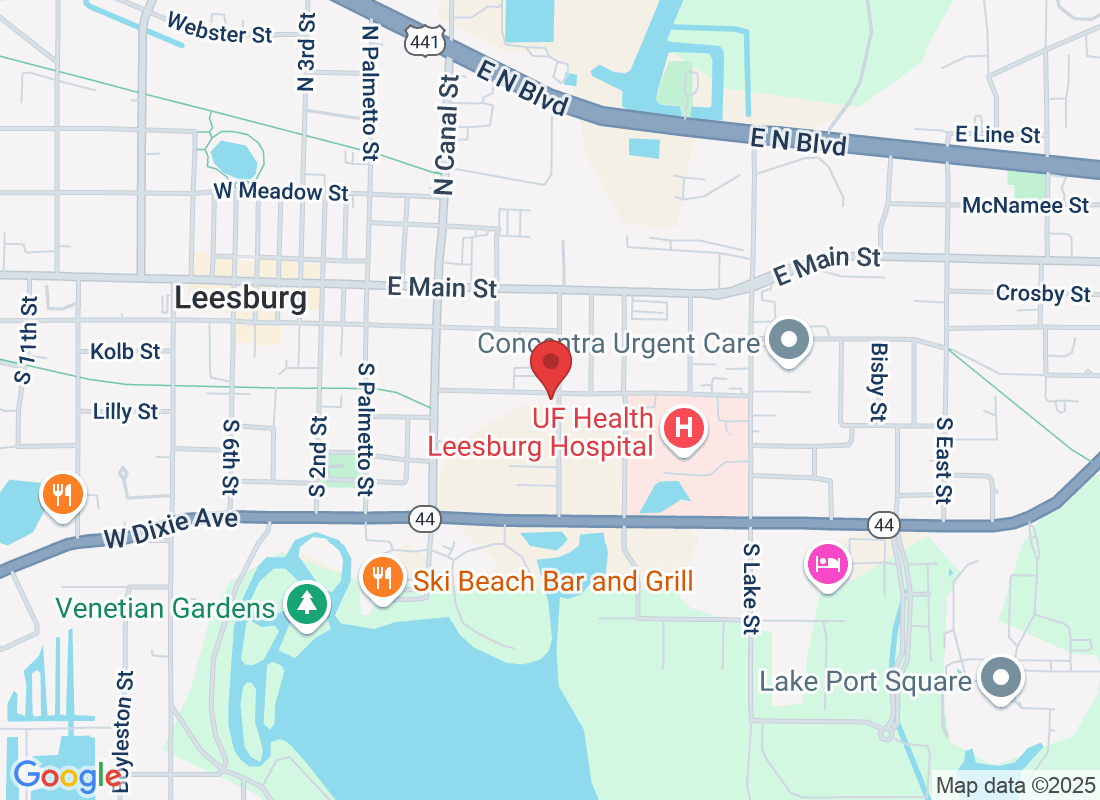
That’s often when patients walk into our offices in Clermont or Leesburg looking for something more effective.
One option many people are curious about is red light therapy, also known as photobiomodulation. It’s a treatment designed to help your body repair injured tissue rather than simply quiet the pain signal.
At Center for Ankle and Foot Care, we use light-based treatments as part of a broader strategy that focuses on healing, reducing inflammation, and helping patients stay active.
What Is Red Light Therapy?
Red light therapy uses specific wavelengths of light that penetrate into the skin and soft tissue. Once absorbed by the cells, that light energy encourages a few helpful changes inside the body.
At the cellular level, the therapy can:
Boost energy production inside cells (ATP)
Improve circulation in the treated area
Reduce inflammation
Support tissue repair and recovery
In simpler terms?
It helps injured tissue heal faster and feel better.
This is why light-based technology is frequently used in sports medicine, physical therapy, and regenerative care.
Does Red Light Therapy Actually Work?
This is a fair question—and one we hear often.
Red light therapy isn’t magic, and it’s not meant to be a standalone cure. But research and clinical experience suggest it can be helpful when used correctly.
Studies suggest the therapy may:
Improve pain and mobility in certain soft-tissue injuries
Reduce inflammation in tendons and fascia
Support nerve function in some neuropathy cases
However, results can vary from patient to patient.
The best outcomes usually happen when red light therapy is combined with other treatments that address the root cause of the problem. That’s why it’s frequently paired with treatments like laser therapy for foot pain, custom orthotics, or regenerative therapies.
Think of it as an important tool in the toolbox—not the entire toolbox.
How We Use Light Therapy in Real Foot Conditions
Patients often ask how this technology actually fits into real treatment plans. Here are some of the most common ways we use it in our clinic.
Plantar Fasciitis and Heel Pain
Heel pain is one of the most frequent complaints we see.
Many patients describe a sharp pain with the first step out of bed in the morning.
A treatment plan may include:
Stretching programs
3D-printed custom foot orthotics
Supportive footwear changes
Light therapy to reduce inflammation in the plantar fascia
By calming inflammation and encouraging tissue repair, light therapy can help accelerate recovery from plantar fasciitis.
Peripheral Neuropathy
Patients with neuropathy often describe:
Burning feet
Tingling sensations
Numbness or hypersensitivity
Light therapy may help by:
Improving circulation
Supporting nerve health
Reducing nerve-related discomfort
While it doesn’t reverse every cause of neuropathy, many patients report meaningful improvements in daily comfort.
Achilles Tendonitis
Tendons are notoriously slow to heal because they have limited blood supply.
For chronic Achilles pain, we often combine:
Activity modification
Stretching programs
Laser therapy for foot pain
Light therapy to stimulate tissue repair
The goal is to shorten recovery time and reduce recurring inflammation.
Foot and Ankle Arthritis
Arthritis pain can make simple activities—walking the dog, exercising, even grocery shopping—feel difficult.
Light therapy can help by:
Reducing joint inflammation
Improving mobility
Decreasing stiffness and discomfort
For patients who want to avoid injections or delay surgery, it can be a helpful part of conservative care.
Injury Recovery
Ankle sprains, tendon strains, and overuse injuries are common in active adults.
Light therapy may support recovery by:
Increasing blood flow to injured tissue
Reducing inflammation
Encouraging faster healing
That means less downtime and a smoother return to normal activity.
Why Patients Like This Treatment
Many patients appreciate that light-based therapies offer a different approach to pain relief.
Some of the reasons people choose it include:
Non-invasive treatment
No downtime
Drug-free pain management
Quick in-office sessions
Easy combination with other therapies
In short, it’s a way to support healing without adding more medications to the mix.
In-Office Treatment vs At-Home Devices
You may have noticed red light therapy devices being advertised for home use.
Both options can play a role, but there are some differences.
In-office treatments
Higher-powered clinical equipment
Faster, more targeted results
Professional guidance
At-home devices
Helpful for consistency
Convenient between appointments
Useful for maintenance care
For many patients, the best results come from combining professional treatments with a structured home plan.
The Bigger Picture: Treating the Cause of Foot Pain
At Center for Ankle and Foot Care, we focus on treating the underlying cause of foot and ankle problems—not just covering up symptoms.
Depending on the condition, your treatment plan may include:
Class IV laser therapy
3D-printed custom orthotics
SoftWave therapy
DMPx regenerative injections
Advanced conservative care
Our goal is simple: help patients move comfortably again.
Ready to Take the First Step Toward Relief?
Chronic foot pain can affect more than your feet. It impacts how you move, exercise, and enjoy everyday life.
If you’re struggling with heel pain, tendon problems, or nerve discomfort, a personalized treatment plan may help you get back on track.
Contact Center for Ankle and Foot Care in Clermont or Leesburg today to schedule an appointment and learn which treatments may be right for you.
Your feet carry you through life—let’s help them feel better.