
Is It a Plantar Wart or a Callus? How to Tell the Difference
Understanding Plantar Warts vs. Calluses
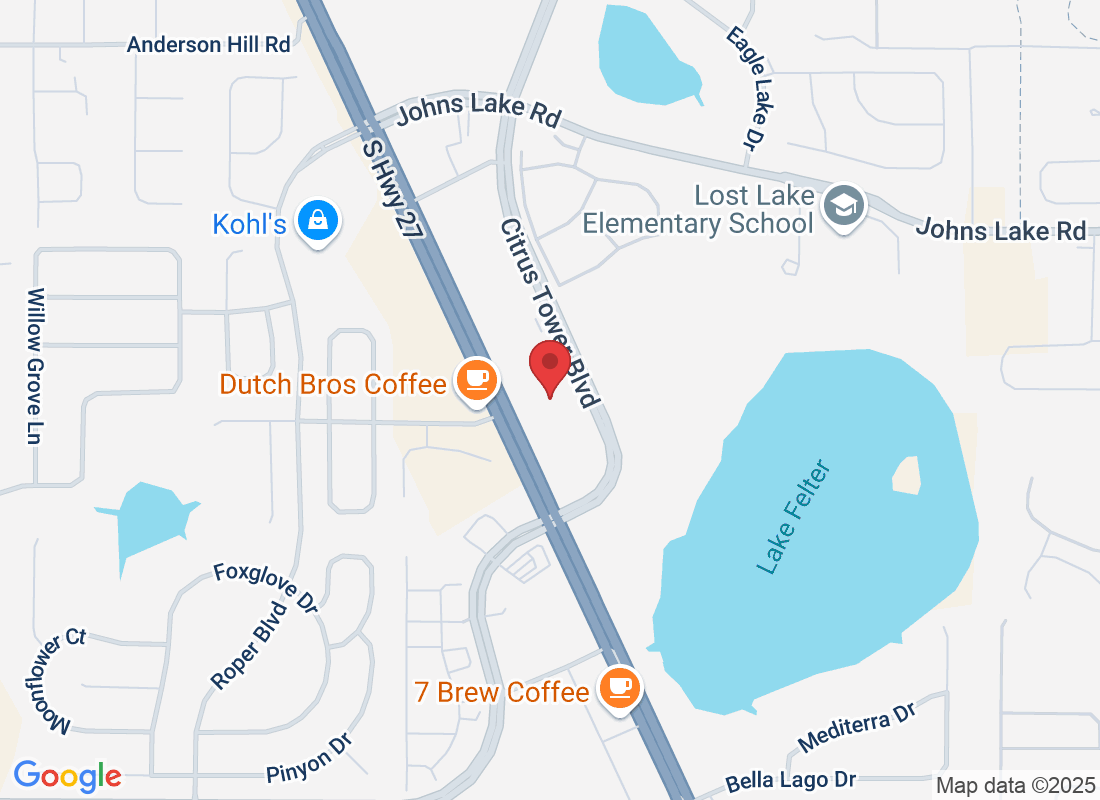
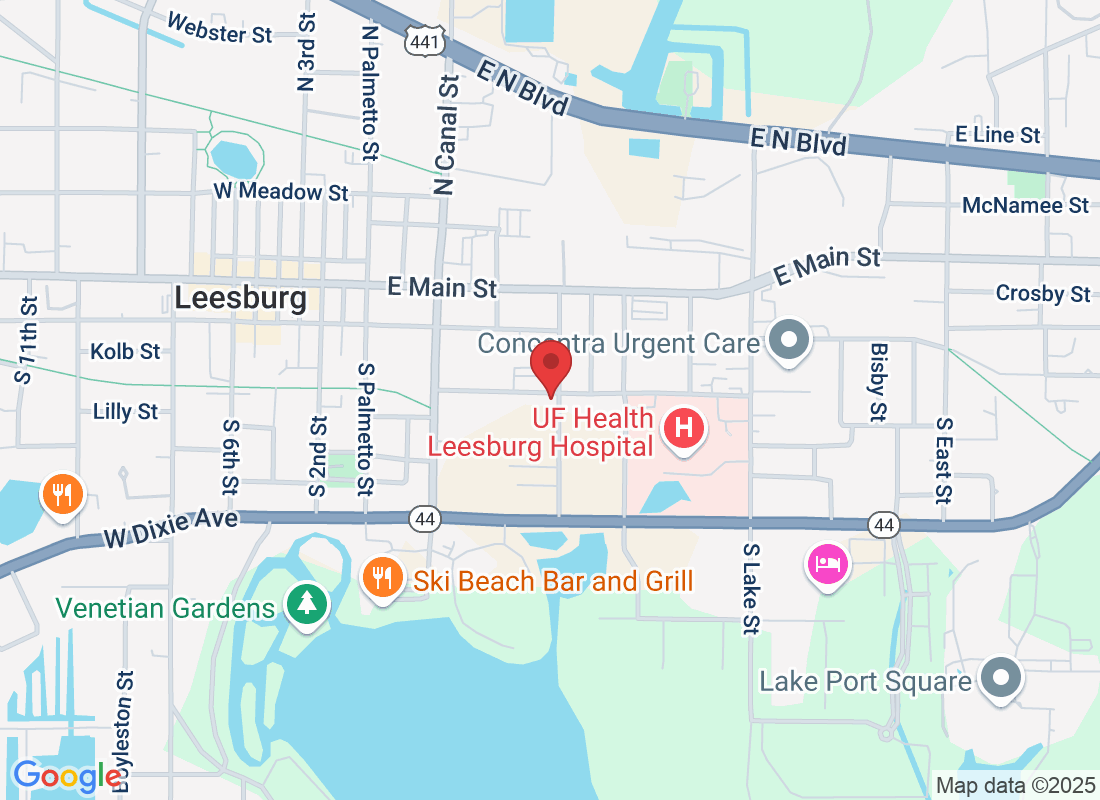
Welcome to the Center for Ankle and Foot Care, serving Clermont and Leesburg, Florida. If you’re experiencing discomfort on the bottom of your foot, you might be wondering whether it’s a plantar wart or a callus. While both conditions can appear similar, understanding their differences is crucial for effective treatment. This comprehensive guide will help you identify these common foot issues, their causes, symptoms, and treatment options.
What are Plantar Warts?
Plantar warts are small growths that can develop on the pressure points of your feet, typically on the soles. They are caused by the human papillomavirus (HPV) and are considered contagious, often spreading in communal areas like pools or locker rooms. Here are some key characteristics of plantar warts:
- Rough, grainy texture
- Small black dots (clotted capillaries) within the wart
- Pain or discomfort when pressure is applied
- Can spread or multiply over time
What are Calluses?
Calluses are thickened areas of skin that form as a response to repeated friction or pressure. They can develop on various parts of the foot but are most commonly found on the heels and balls of the feet. Unlike plantar warts, calluses are not caused by a virus and aren’t contagious. Key characteristics of calluses include:
- Hard, thick, and yellowish appearance
- Usually painless, or they may feel tender when pressure is applied
- Develop gradually over time due to repetitive stress on the skin
- Does not have black dots
What Causes Plantar Warts and Calluses?
Causes of Plantar Warts
Plantar warts occur when the HPV infects the skin through small cuts or breaks. The virus thrives in warm, moist environments, which is why communal spaces are common sources of infection. Individuals with weakened immune systems may be at higher risk.
Causes of Calluses
Calluses form due to prolonged pressure or friction on the skin. Several factors can contribute to their development, including:
- Poorly fitting shoes
- Abnormal foot mechanics (flat feet or high arches)
- Occupational hazards (e.g., jobs requiring standing for long periods)
How Can I Treat Plantar Warts?
Treatment for plantar warts can vary depending on their size and severity. Common options include:
- Over-the-counter treatments: Salicylic acid products can help peel away the wart over time.
- Cryotherapy: Freezing the wart using liquid nitrogen can effectively destroy it.
- Laser therapy: A more aggressive option, using targeted laser treatment to destroy the wart tissue.
- Minor surgical procedure: In some cases, a podiatrist may recommend removing the wart surgically.
How Can I Treat Calluses?
Treating calluses involves removing the thickened skin and addressing the underlying cause. Common treatments include:
- Pumice stone or foot file: Gently exfoliating the thick skin can reduce callus buildup.
- Moisturizing: Applying lotion or cream can help keep the skin hydrated and prevent calluses from reforming.
- Footwear changes: Wearing shoes that fit properly can alleviate pressure on calloused areas.
- Orthotics: Custom shoe inserts can correct any abnormal foot mechanics contributing to callus development.
Key Differences at a Glance
Here's a quick comparison to help you differentiate between plantar warts and calluses:
- Appearance: Plantar warts have a rough texture with black dots, while calluses are smooth and yellowish.
- Causes: Plantar warts are viral infections; calluses are due to pressure or friction.
- Pain: Plantar warts are typically painful, especially under pressure, while calluses may not cause significant discomfort.
FAQs about Plantar Warts and Calluses
1. Are plantar warts contagious?
Yes, plantar warts can be contagious, as they are caused by a virus that can spread through skin-to-skin contact or contaminated surfaces.
2. Can calluses turn into warts?
No, calluses cannot turn into warts, as they are caused by different factors. However, if not treated, calluses can lead to other foot problems.
3. How do I know if my wart is healing?
A healing plantar wart will gradually decrease in size and become less painful. The skin around it may look less red and inflamed.
4. Can I remove a plantar wart myself?
While over-the-counter treatments are available, it’s best to consult with a podiatrist for persistent or painful warts to avoid complications.
5. When should I see a podiatrist for a callus?
If your callus becomes painful, changes color, or does not respond to home treatment, consult a podiatrist for evaluation.
Schedule Your Appointment Today
If you’re dealing with foot pain or discomfort from a plantar wart or callus, the team at the Center for Ankle and Foot Care is here to assist you. Our experienced podiatrists in Clermont and Leesburg, Florida, will provide you with a comprehensive evaluation and personalized treatment plan. Book your appointment today!